
 简体中文
简体中文 
浏览数量: 0 作者: 本站编辑 发布时间: 2026-05-25 来源: 本站
TL;DR: Fixing failing engine supports requires elevating your vehicle safely, supporting the engine block with a floor jack, removing the compromised hardware, and securing the new component. Addressing severe cabin vibrations early prevents major transmission misalignment, protects surrounding automotive systems, and immediately restores daily driving comfort.
Every passenger vehicle relies on a delicate balance to operate smoothly. Beneath the hood, thousands of small explosions happen every minute to generate power. Without a structural dampening system, the extreme forces created by internal combustion would shake the chassis violently and cause catastrophic damage to the driveline.
The primary defense against this structural stress is a system of rubber and metal isolation blocks. These components hold the heavy powertrain firmly to the subframe while absorbing harsh vibrations. Over time, extreme heat, fluid leaks, and constant movement degrade the rubber materials, leading to compromised structural integrity and noticeable cabin noise.
Understanding how these isolation systems function can save vehicle owners significant money and diagnostic time. For instance, diagnosing a faulty front engine motor mount early prevents the engine block from physically shifting during heavy acceleration. Recognizing the subtle warning signs before complete component failure is a critical skill for responsible vehicle maintenance.
Drivers who proactively monitor their driveline health avoid secondary repairs. When one isolation block tears, the remaining units endure exponentially higher stress. Upgrading a worn engine bushing mount restores the original factory geometry, ensuring your transmission and exhaust manifold remain perfectly aligned for years to come.

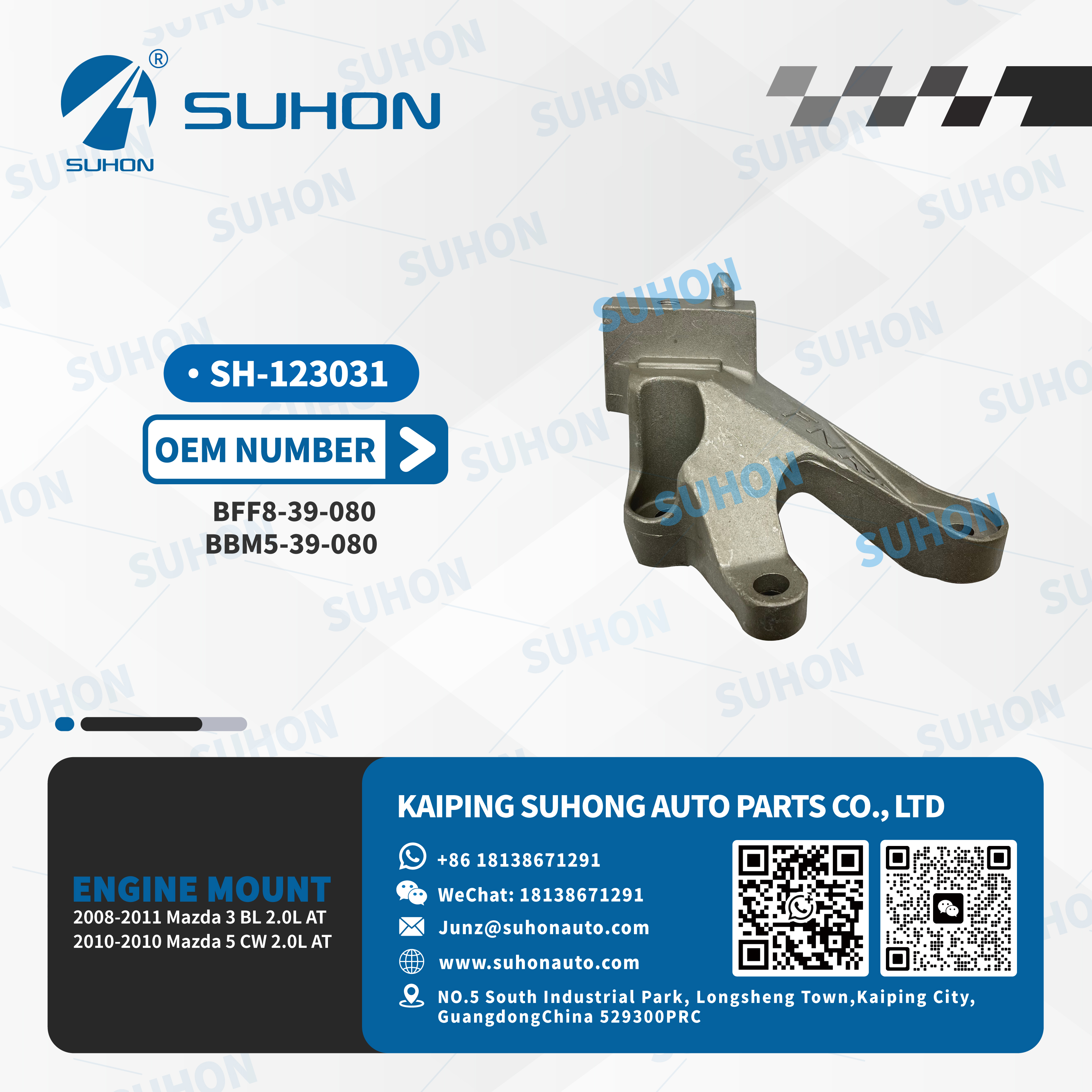
The most common indicator of structural failure is excessive vibration felt through the steering wheel and floorboards. According to automotive service standards [ASE, 2023], rubber isolation components degrade significantly after 60,000 to 100,000 miles of standard driving. Once the rubber core cracks or leaks its hydraulic fluid, the metal brackets make direct contact with the subframe.
Drivers often hear loud clunking or banging noises from the engine bay when shifting from park into drive or reverse. This impact sound occurs because the driveline physically lifts and drops against the chassis under torque. If you ignore these extreme movements, the excessive flexing will eventually snap exhaust pipes, stretch electrical wiring harnesses, and damage coolant hoses.
Vehicle owners often wonder if they should handle the maintenance themselves or hire a certified mechanic. Labor rates dictate a significant portion of the total repair bill at any standard repair shop.
Service Option | Average Cost Range | Time Required | Difficulty Level |
Professional Shop | $400 - $800 | 2 - 4 Hours | N/A |
DIY Installation | $50 - $150 | 3 - 6 Hours | Advanced |
Dealership Service | $600 - $1,200 | 2 - 4 Hours | N/A |
Choose a professional mechanic if safety guarantees and warranty coverage matter more than saving money on labor. Select the DIY route only if you possess specialized lifting equipment, heavy-duty torque wrenches, and significant mechanical experience.
The automotive aftermarket offers several distinct varieties of structural isolation units. Standard solid rubber units provide excellent vibration dampening and match the original factory specifications perfectly. Hydraulic units contain a specialized fluid chamber that actively absorbs higher frequency vibrations, resulting in a significantly smoother ride for luxury vehicles.
For those planning to replace motor mounts on a performance vehicle, polyurethane options offer extreme durability. Polyurethane resists oil contamination and extreme heat much better than standard rubber. Choose solid rubber units if budget and vibration dampening matter more than high-performance driveline stiffness.

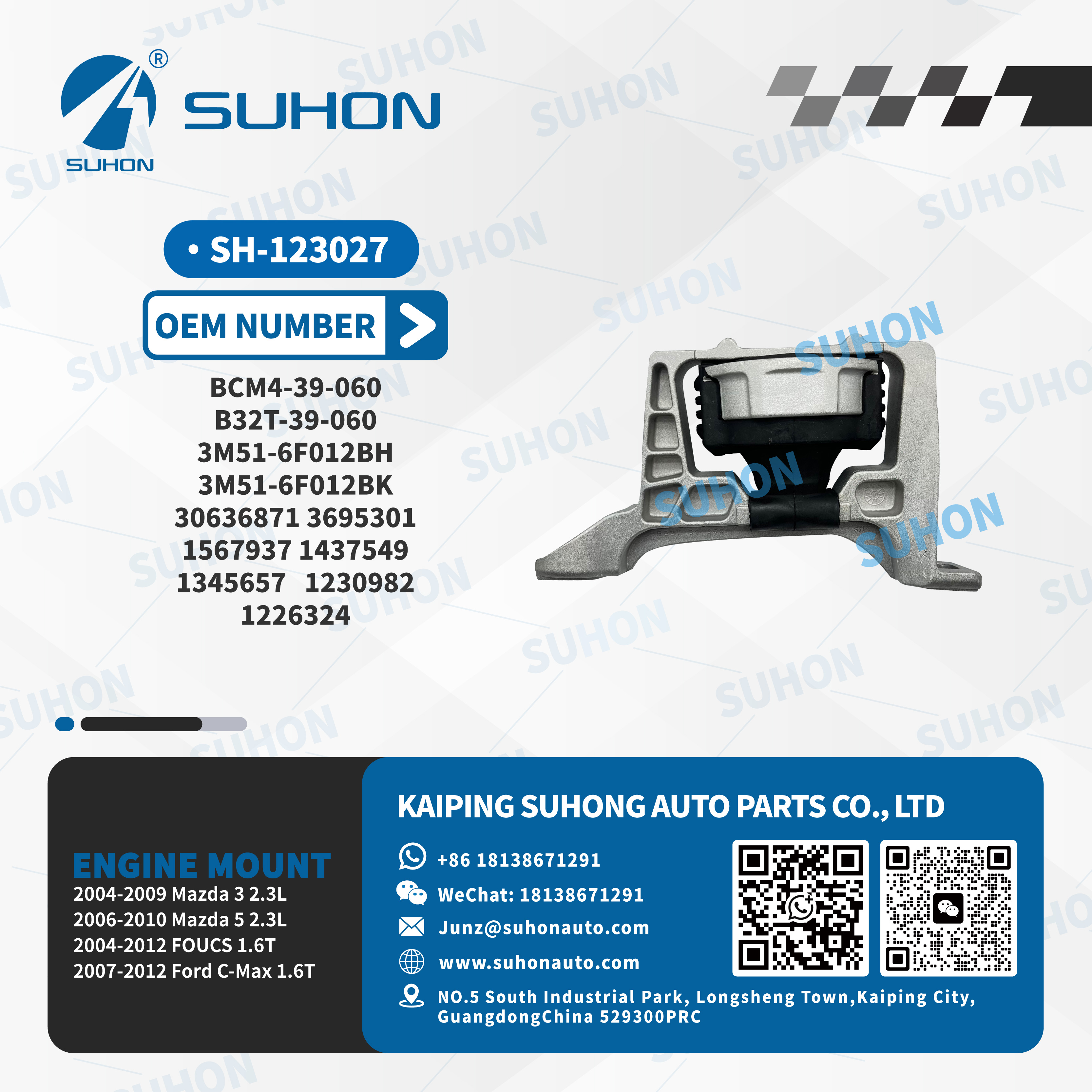
Maintaining proper driveline geometry is essential for vehicle longevity and passenger safety. By paying close attention to new vibrations, harsh shifting noises, and visual degradation in the engine bay, you can intervene before minor wear evolves into thousands of dollars in secondary damages. Stay proactive with your maintenance schedule, consult professional technicians when unsure, and always prioritize high-quality replacement parts.
Most original equipment components last between 60,000 and 100,000 miles. Their exact lifespan depends heavily on your daily driving habits, the local climate, and whether the vehicle frequently leaks motor oil onto the rubber components.
No, driving with severed isolation blocks is dangerous. The shifting driveline can damage the radiator, break drive axles, or cause the accelerator cable to stick, creating an immediate roadside hazard.
Yes, technicians universally recommend swapping all isolation units simultaneously. When one unit fails, the remaining parts absorb the extra torque, which severely weakens their internal structures.


