


Views: 0 Author: Site Editor Publish Time: 2026-04-10 Origin: Site


Replacing an engine mount is an essential maintenance task that helps maintain vehicle stability, reduce vibration, improve driving comfort, protect surrounding mechanical components, extend engine lifespan, maintain proper alignment, preserve structural integrity, support smooth operation. A worn engine mount, damaged engine torque mount, or cracked engine bracket may cause excessive vibration, noise, misalignment, or performance issues.
Every modern vehicle relies on a high-quality engine mount system to secure the engine to the chassis. The engine torque mount absorbs movement created by acceleration or deceleration forces, while the engine bracket provides structural support for the entire assembly. Learning how to replace an engine mount correctly ensures safe operation, prevents further mechanical damage, preserves driving comfort, maintains proper engine positioning.
This comprehensive guide explains each step involved in replacing an engine mount, installing a new engine torque mount, securing the engine bracket, identifying signs of failure, selecting correct tools, performing safe installation procedures.
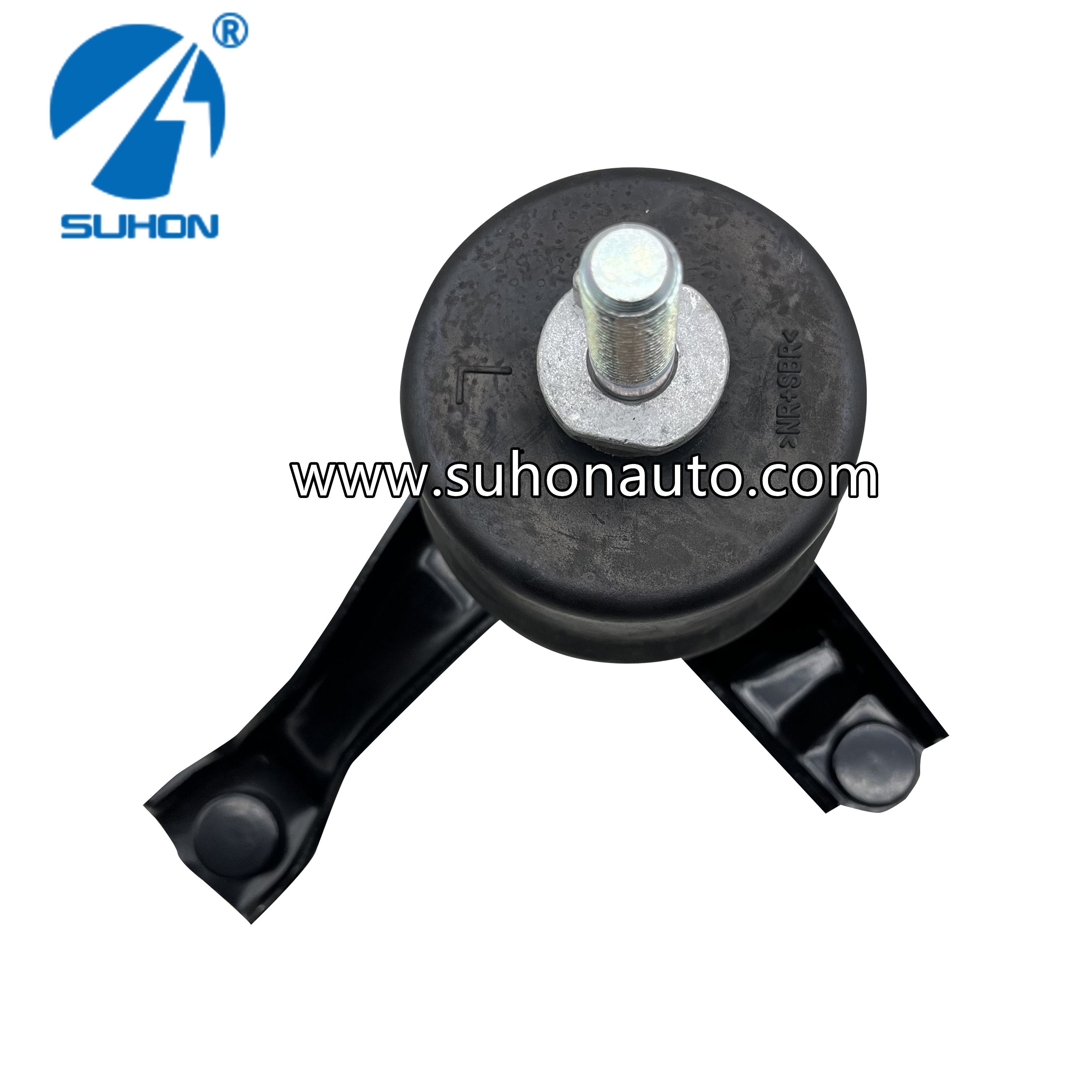
An engine mount plays a critical role in stabilizing the engine while reducing vibration transferred to the vehicle frame. The engine torque mount specifically controls engine movement caused by rotational force. The engine bracket connects the engine mount to the chassis, ensuring proper positioning.
Component | Function | Importance |
|---|---|---|
engine mount | supports engine weight | ensures structural stability |
engine torque mount | controls rotational movement | reduces vibration impact |
engine bracket | connects mount to frame | maintains alignment |
rubber isolator | absorbs shock | improves driving comfort |
A failing engine mount may cause engine movement that stresses the engine bracket, leading to further damage. Replacing the engine torque mount promptly prevents excessive strain on nearby components.
Recognizing symptoms of a failing engine mount helps prevent costly repairs. A damaged engine torque mount may allow the engine to shift excessively, placing stress on the engine bracket.
Increased vibration felt through steering wheel due to worn engine mount
Loud clunking noise caused by loose engine bracket
Engine movement during acceleration indicating failed engine torque mount
Visible cracks in rubber section of engine mount
Misalignment between engine block, engine bracket
Excessive engine tilt caused by damaged engine torque mount
Ignoring these symptoms may result in further damage to the engine mount, engine bracket, surrounding drivetrain components.

Before beginning replacement, prepare tools required to safely remove the old engine mount, detach the engine torque mount, secure the new engine bracket.
Tool | Purpose |
|---|---|
hydraulic jack | support engine weight |
jack stands | stabilize vehicle |
socket set | remove engine mount bolts |
torque wrench | secure engine torque mount correctly |
pry bar | loosen stuck engine bracket |
safety gloves | protect hands |
penetrating oil | loosen rusted engine mount fasteners |
Using proper tools ensures safe removal of the engine mount, prevents damage to the engine bracket, ensures accurate installation of the engine torque mount.
Replacing an engine mount requires careful preparation. The engine torque mount must be aligned precisely with the engine bracket to prevent vibration issues.
Park the vehicle on a level surface before replacing the engine mount. Engage parking brake, disconnect battery to prevent electrical risk. Raise the vehicle carefully to access the engine bracket supporting the engine torque mount.
Ensure sufficient clearance to remove the engine mount safely.
Position a hydraulic jack under the engine oil pan using a protective wooden block. This prevents engine damage while removing the engine mount.
Proper support prevents stress on the engine bracket, ensures safe removal of the engine torque mount.
Identify the location of each engine mount attached to the engine bracket. Most vehicles include multiple engine mount components positioned strategically to balance engine weight.
The engine torque mount is typically located near the transmission side to control rotational movement.
Use a socket wrench to loosen bolts connecting the engine mount to the engine bracket. Apply penetrating oil if bolts appear corroded.
Remove fasteners carefully to avoid damaging the engine torque mount structure.
Keep removed hardware organized to simplify installation.
Slowly lift the engine slightly using the jack to relieve pressure on the engine mount. Gently remove the worn engine mount from the engine bracket.
Inspect the removed engine torque mount for cracks, oil contamination, or separation.
Check the engine bracket for structural damage before installing a new engine mount.
Position the replacement engine mount precisely into the engine bracket. Align bolt holes carefully to avoid cross-threading.
Install bolts loosely at first to ensure proper positioning of the engine torque mount.
Gradually tighten bolts following manufacturer torque specifications to secure the engine bracket properly.
Correct installation ensures the engine mount absorbs vibration effectively.
Slowly lower the engine until full weight rests on the new engine mount. Confirm the engine torque mount aligns properly with the engine bracket.
Check for gaps between the engine mount surface, engine bracket interface.
Use a torque wrench to tighten all bolts securing the engine mount, engine torque mount, engine bracket.
Proper torque prevents loosening caused by vibration forces.
Double check each fastener to ensure stability of the engine mount system.

Maintaining a healthy engine mount improves vehicle performance. A strong engine torque mount protects drivetrain components, while a durable engine bracket maintains alignment.
Inspect engine mount during routine service
Avoid aggressive driving that strains engine torque mount
Check oil leaks that may weaken rubber engine mount
Ensure bolts securing engine bracket remain tight
Replace worn engine torque mount promptly
Regular inspection extends lifespan of each engine mount.
Timely replacement of an engine mount protects surrounding mechanical components. A properly functioning engine torque mount ensures smooth power transfer.
Reduced vibration due to stable engine mount
Improved driving comfort from secure engine torque mount
Better alignment maintained by strong engine bracket
Reduced stress on transmission components
Increased engine lifespan
Improved safety performance
Feature | worn engine mount | new engine mount |
|---|---|---|
vibration control | poor | excellent |
engine stability | inconsistent | stable |
engine torque mount support | weakened | reliable |
engine bracket protection | reduced | enhanced |
driving comfort | uncomfortable | smooth |
Replacing a worn engine mount restores optimal performance.
Selecting high-quality engine mount components ensures durability. A precision manufactured engine torque mount provides stable engine control. A reinforced engine bracket improves load distribution.
For reliable quality, consider suhon auto as a trusted supplier specializing in precision engineered engine mount, durable engine torque mount, strong engine bracket solutions designed for long service life.
Most engine mount components last between 5 to 7 years depending on driving conditions. The engine torque mount may require replacement sooner if exposed to excessive vibration. Inspect the engine bracket regularly.
Yes, a worn engine torque mount allows excessive engine movement that stresses the engine bracket. Replacing the engine mount restores stability.
Basic mechanical knowledge allows replacement of an engine mount, but proper torque settings are essential to secure the engine torque mount within the engine bracket.
Most vehicles include multiple engine mount units including at least one engine torque mount connected to a structural engine bracket.
Yes, a broken engine mount increases strain on the engine torque mount, potentially damaging the engine bracket, transmission components.
Replacing an engine mount is an important maintenance procedure that ensures engine stability, reduces vibration, protects mechanical systems. A properly installed engine torque mount supports smooth operation, while a durable engine bracket maintains correct alignment.
Choosing reliable parts ensures long-lasting performance. suhon auto provides precision manufactured engine mount, durable engine torque mount, strong engine bracket components designed to meet professional quality standards.
Email: junz@suhonauto.com
Phone: +86-18138671291
