


Views: 0 Author: Site Editor Publish Time: 2026-02-02 Origin: Site


Have you ever wondered what keeps your car’s engine from rattling around under the hood? The answer lies in a crucial but often overlooked component: the car motor mount. These essential parts play a vital role in your vehicle's performance and comfort. A car motor mount is responsible for securing the engine to the vehicle's frame, absorbing vibrations, and handling the engine's torque. Without effective motor mounts, your driving experience would be noisy, uncomfortable, and potentially unsafe. This article will explore what a car motor mount does, what happens when it fails, and what you need to know about a motor mount replacement. Understanding the function of these parts is key to maintaining your vehicle's health and ensuring a smooth ride.
Motor mounts serve two main purposes. First, they secure the engine and transmission to the chassis of the vehicle. This connection is critical for stability. Second, they act as vibration dampeners. Your engine naturally produces significant vibrations while running. The motor mounts are designed with rubber or fluid-filled components that absorb these vibrations, preventing them from transferring to the car's cabin. This function ensures that you and your passengers enjoy a quiet and smooth ride. A good car motor mount effectively isolates the engine's movement, keeping everything in its proper place.
A car motor mount is essentially a metal and rubber sandwich. One side bolts directly to the engine block, while the other side attaches to the vehicle's frame or subframe. This creates a solid link that holds the heavy engine in place. When you accelerate, brake, or turn, the engine generates rotational force, also known as torque. The motor mounts must be strong enough to resist this force and keep the engine from shifting excessively. The integrity of these motor mounts is paramount for drivetrain alignment and overall vehicle safety. Without properly functioning motor mounts, the engine could move around, potentially damaging other components like hoses, wires, and the exhaust system.


The real magic of a car motor mount is in its ability to absorb vibrations. Most standard motor mounts use a block of dense rubber to isolate the engine from the chassis. The rubber flexes and absorbs the engine's vibrations, much like the soles of your running shoes absorb the impact of your feet hitting the pavement.
More advanced vehicles might use hydraulic or active motor mounts. Hydraulic motor mounts are filled with a specialized fluid that provides superior damping capabilities across a wider range of engine speeds. Active motor mounts are electronically controlled and can adjust their stiffness in real-time to counteract vibrations even more effectively. Regardless of the type, the goal is the same: to ensure the vibrations from the engine do not disturb the occupants of the car, making the quality of the motor mounts essential.
Like any other part of your vehicle, motor mounts can wear out over time. The rubber can crack, the internal fluid can leak, and the metal can break. When a car motor mount begins to fail, it will produce several noticeable symptoms. Recognizing these signs early can save you from more expensive repairs down the road and is a key part of responsible car ownership. A failing car motor mount compromises both comfort and safety. If you experience any of the signs, a motor mount replacement may be necessary.
One of the most common indicators of a bad car motor mount is noise. You might hear clunking, banging, or rattling sounds coming from the engine bay. These noises are often most noticeable during specific actions:
Starting or shutting off the engine Putting the car into gear Accelerating or decelerating hard
The sound is caused by the engine shifting and making contact with other parts of the car because the faulty motor mounts can no longer hold it securely. Ignoring these sounds can lead to further damage, making a timely motor mount replacement crucial.
Since a primary job of motor mounts is to absorb vibrations, a failing one will do its job poorly. You will likely feel an increase in vibrations throughout the car, particularly through the steering wheel, floor, or seats. The car might feel rougher when idling, and the vibrations can become more intense as you accelerate. This constant shaking is not just an annoyance; it's a clear signal that your motor mounts are no longer effective and a motor mount replacement should be considered. A worn car motor mount simply cannot provide the smooth ride it was designed for
Sometimes, you can spot a failing car motor mount with a visual inspection. Look for cracks, splits, or separation in the rubber part of the mount. If you have hydraulic motor mounts, you might see fluid leaking from them. Significant rust or breakage on the metal brackets is also a clear sign of failure. If you see the engine sagging or sitting at an odd angle in the engine bay, it's a strong indication that one or more motor mounts have completely failed, and a motor mount replacement is immediately required.
A motor mount replacement is a common repair that can restore your vehicle's smoothness and stability. The process involves supporting the engine, removing the old, worn-out motor mounts, and installing new ones. While some experienced DIY mechanics might tackle this job, it often requires specialized tools and knowledge. Getting a professional motor mount replacement ensures the job is done correctly and safely. The new motor mounts will make a significant difference in your driving experience.
Before a mechanic can remove a car motor mount, they must support the weight of the engine. This is typically done using an engine hoist from above or a pole jack from below. The engine needs to be lifted just enough to take the pressure off the motor mounts. This step is critical; without proper support, the engine could fall, causing catastrophic damage and creating a serious safety hazard. This is a primary reason why a professional motor mount replacement is recommended.
Once the engine is securely supported, the mechanic will unbolt the old motor mounts from both the engine and the vehicle's frame. Accessing the bolts can sometimes be difficult, requiring the removal of other components. After the old car motor mount is out, the new one is positioned and bolted into place. The mechanic will then carefully lower the engine back onto the new motor mounts, ensuring everything is aligned correctly before tightening the bolts to the manufacturer's specified torque. The quality of the new motor mounts is essential for a long-lasting repair.

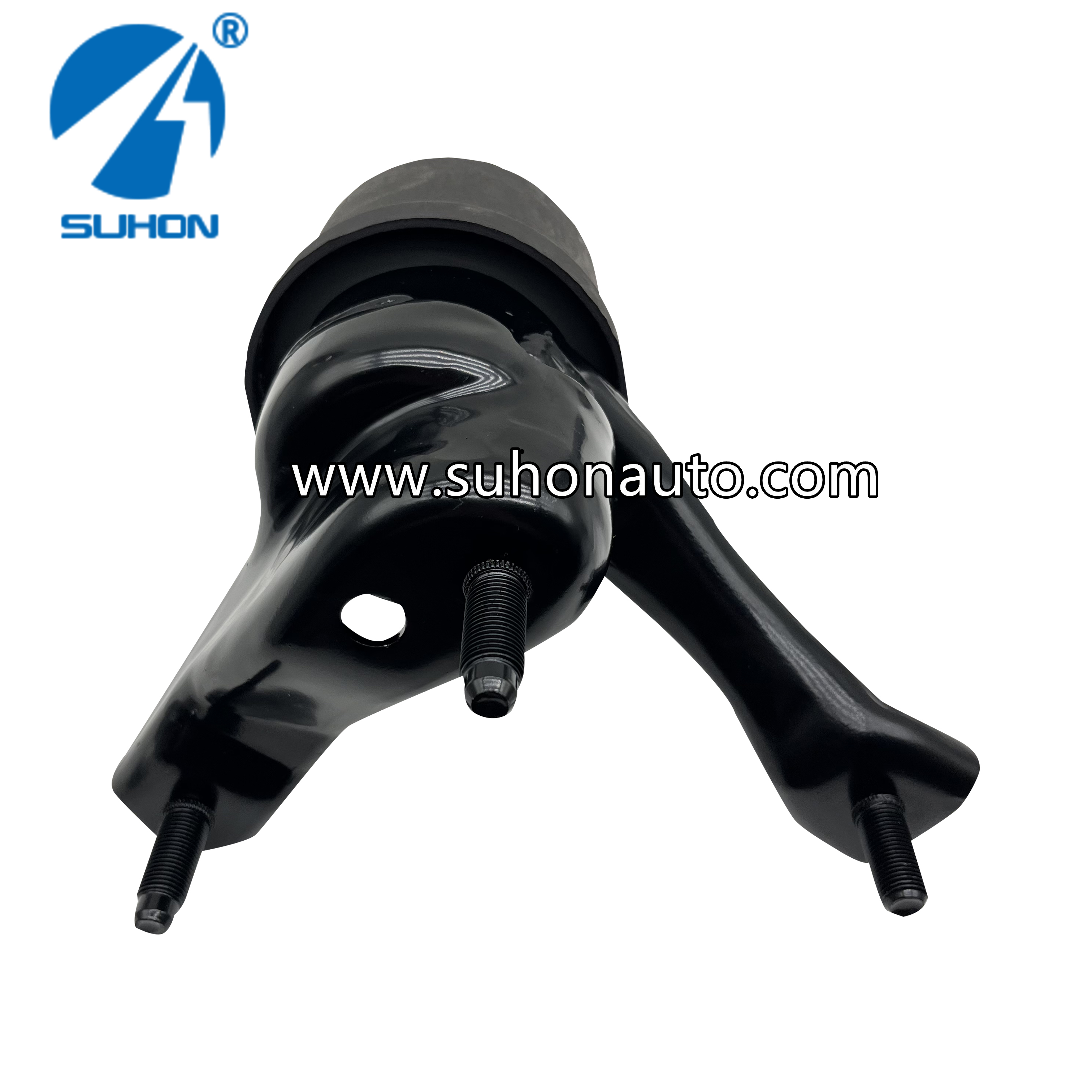
When it comes time for a motor mount replacement, you have a few options. The type of motor mounts you choose can affect your car's performance and comfort. The main choice is between Original Equipment Manufacturer (OEM) parts and aftermarket parts.
Mount Type | Primary Benefit | Best For |
|---|---|---|
OEM Rubber | Original ride quality and low noise. | Daily driving and comfort. |
Aftermarket Rubber | Cost-effective alternative to OEM. | Budget-conscious repairs. |
Polyurethane | Increased performance and durability. | Racing and performance driving. |
Hydraulic/Active | Superior vibration damping. | Luxury and high-end vehicles. |
For most drivers, a high-quality rubber car motor mount that meets or exceeds OEM specifications is the best choice. It provides the right balance of durability, performance, and comfort. Cheaper, lower-quality motor mounts might save you money initially but will likely wear out much faster, leading to another motor mount replacement sooner than you'd like. Investing in quality motor mounts from the start is the most cost-effective solution.
A car motor mount is a component that secures your vehicle's engine to its frame. It also absorbs engine vibrations and torque to ensure a smooth and quiet ride. Without effective motor mounts, your engine would move excessively, causing noise and potential damage.
Most cars have three or four motor mounts. The exact number and their locations depend on the vehicle's design, engine type, and drivetrain configuration (front-wheel, rear-wheel, or all-wheel drive). All of the motor mounts work together to keep the engine stable.
While it is technically possible to drive with a broken car motor mount, it is not recommended. It can be unsafe, as the engine can shift significantly, potentially damaging other critical components like coolant hoses, wiring, and the transmission. A prompt motor mount replacement is the safest course of action.
The time required for a motor mount replacement can vary widely, from one to several hours. The difficulty depends on the vehicle and the location of the specific car motor mount being replaced. Some are easily accessible, while others require removing other parts to reach them.
An engine mount and a transmission mount perform a similar function but are located in different places. Motor mounts (or engine mounts) secure the engine, while transmission mounts secure the transmission. Together, they form the complete system that holds the drivetrain in place. Often, when performing a motor mount replacement, it's wise to inspect the transmission mounts as well.


For durable and reliable motor mounts that restore your vehicle's performance, consider parts from a trusted manufacturer. When you need a quality motor mount replacement, choosing a superior product is key. We recommend exploring the high-quality automotive components available from Suhon Auto.
Email: junz@suhonauto.com
Phone: +86 18138671291


