
WhatsApp:+86-18029640291 E-mail: kathy@suhonauto.com
- All
- Product Name
- Product Keyword
- Product Model
- Product Summary
- Product Description
- Multi Field Search
 English


Views: 0 Author: Site Editor Publish Time: 2026-07-01 Origin: Site


TL;DR:
The cost of motor mount replacement typically ranges from $200 to $600 per mount, including parts and labor. Costs vary based on vehicle make, mount type, and whether the rubber bushing or the full assembly needs replacing. Catching wear early reduces both repair time and total expense.
Your car shakes at idle. There's a clunking sound when you shift into drive. The engine seems to rock more than usual. These are classic signs that your motor mounts are failing—and if you've started researching repair costs, you've probably realized the numbers vary quite a bit.
This guide breaks down what motor mount replacement actually costs, what drives those costs up or down, and how to make a smarter decision before heading to the shop.
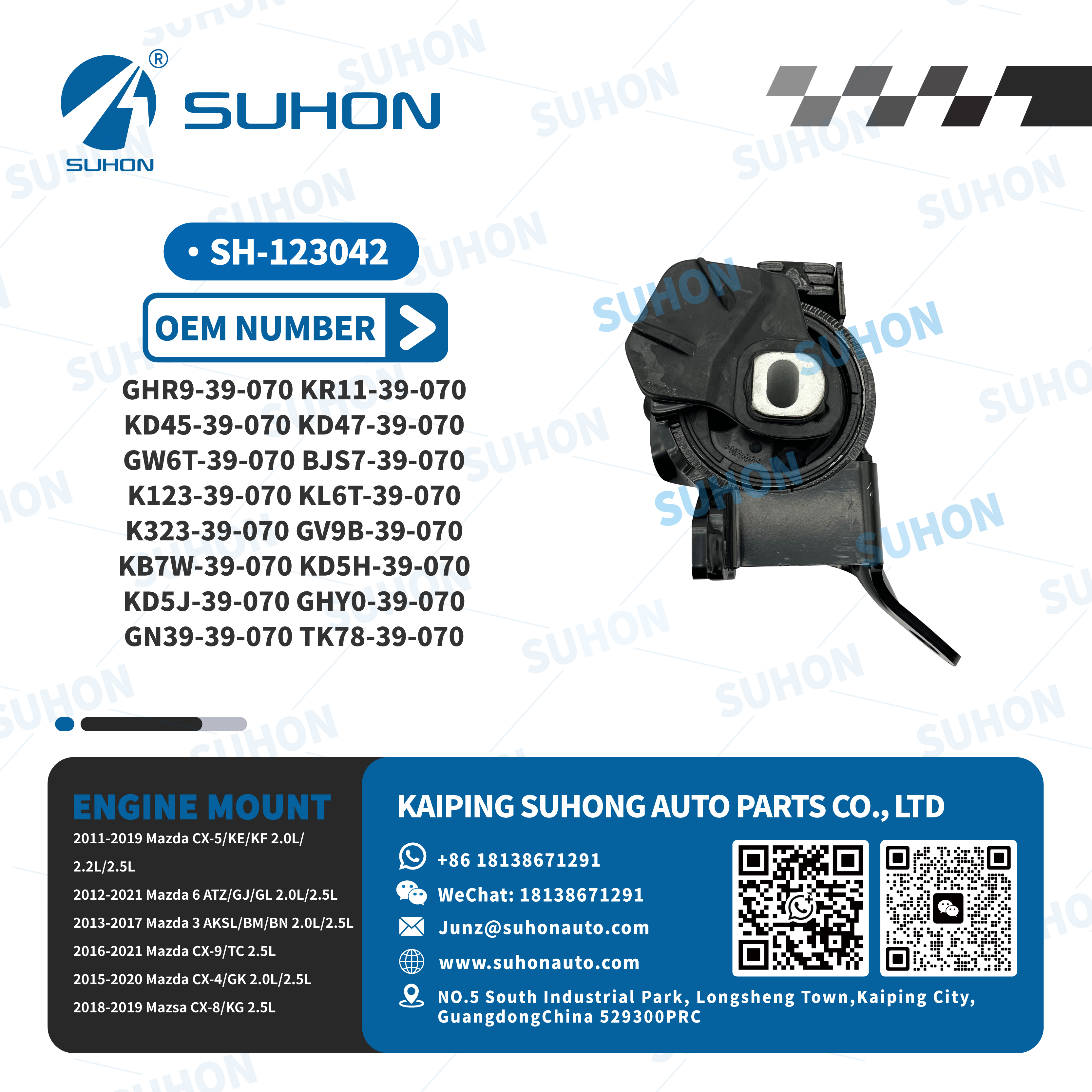

A motor mount—also called an engine mount—secures the engine to the vehicle's frame. Every combustion engine generates vibration as it runs. Without proper engine mounting in car frames, that vibration would transfer directly into the cabin, the steering wheel, and surrounding components.
Most vehicles use between three and four mounts, each designed to absorb a specific direction of force. Some are solid rubber, others are hydraulic (fluid-filled), and some are electronically controlled. The type your vehicle uses directly impacts how much you'll pay to replace them.
The cost of motor mount replacement depends on several factors: the number of mounts being replaced, the type of mount, your vehicle's make and model, and local labor rates.
Here's a general breakdown:
Vehicle Type | Parts Cost (Per Mount) | Labor Cost | Total Estimate |
|---|---|---|---|
Economy / Compact | $30–$80 | $80–$150 | $110–$230 |
Midsize Sedan / SUV | $60–$150 | $100–$200 | $160–$350 |
Luxury / European | $100–$300 | $150–$300 | $250–$600 |
Truck / Heavy-Duty | $80–$200 | $120–$250 | $200–$450 |
Hydraulic/Active Mount | $150–$400 | $150–$300 | $300–$700 |
Labor tends to make up the larger portion of the total bill. Some mounts are straightforward to access; others require removing surrounding components, which adds time and cost.
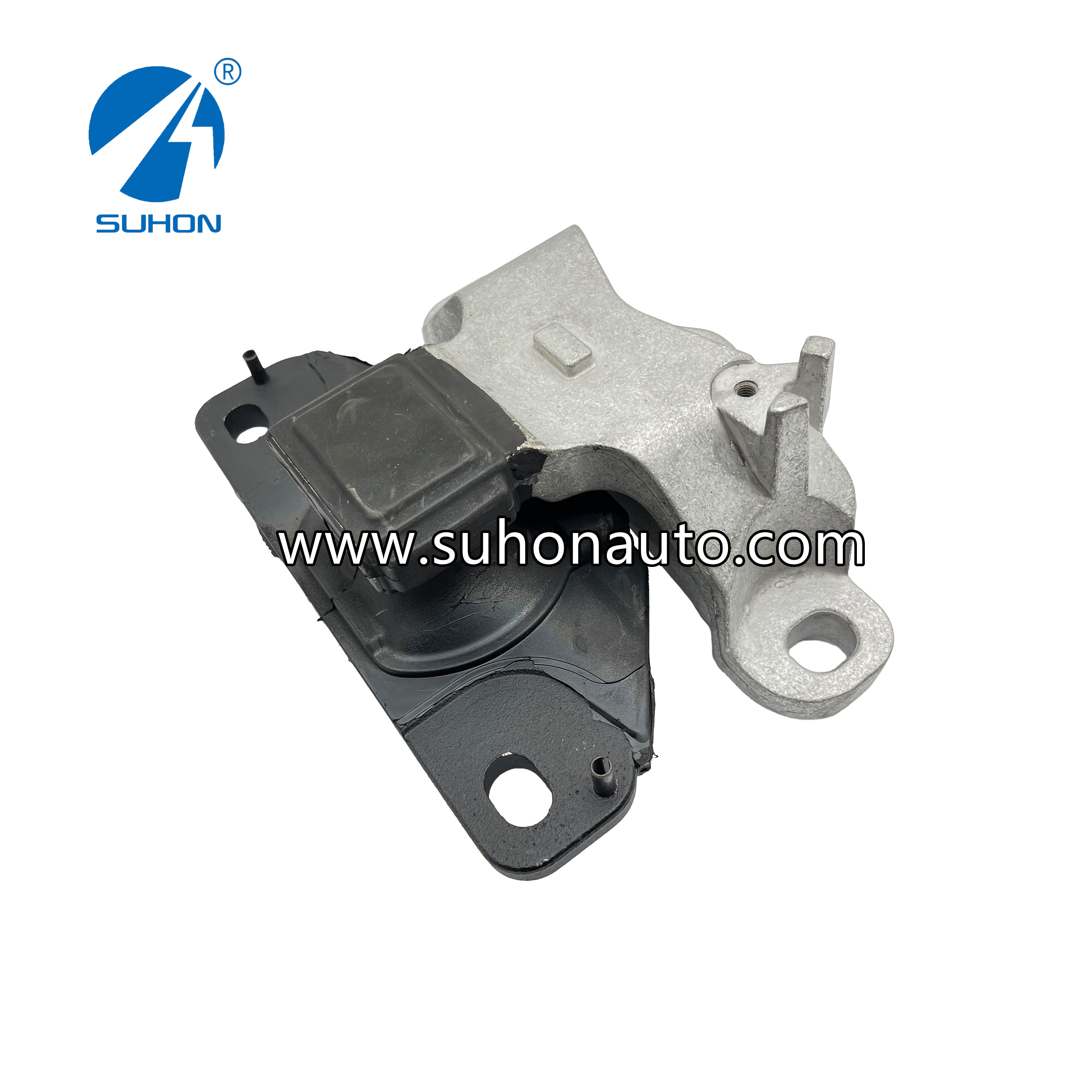

Mount type. Solid rubber mounts are the most affordable. Hydraulic mounts, which use fluid to dampen vibration more precisely, cost significantly more to manufacture and replace. Electronic active mounts—found on premium vehicles—sit at the top of the price range.
Vehicle make and model. European brands like BMW, Benz, and Renault typically use more complex mount designs and require brand-matched or OEM-equivalent parts. Japanese makes like Toyota, Honda, and Nissan tend to be more affordable to service.
Number of mounts replaced. Replacing all mounts at once is often more cost-effective than returning to the shop multiple times. If one mount has failed, others are likely close behind—especially if the vehicle has high mileage.
Labor access. On some vehicles, reaching the motor mount requires removing the engine slightly or disassembling surrounding components. This additional labor increases time and therefore cost.
Not every motor mount failure requires replacing the entire assembly. Sometimes, only the rubber bushing—the component that absorbs vibration—has deteriorated. In that case, bushing replacement alone may be sufficient.
The engine mount bushing replacement cost is generally lower than full mount replacement: parts typically run $15–$60 per bushing, with labor adding $60–$150 depending on access. However, if the metal bracket or housing is also damaged, a full mount replacement is the more reliable solution.
A mechanic can usually confirm which repair is needed through a visual inspection or by placing the vehicle in gear while stationary and observing how much the engine moves.
Acting on these symptoms early saves money and prevents secondary damage to nearby components:
Excessive vibration felt through the floor, seat, or steering wheel at idle or low speeds
Clunking or banging sounds when accelerating, braking, or shifting gears
Engine movement that appears excessive when viewed from under the hood
Increased cabin noise from the engine compartment
Misaligned drivetrain components, including CV axles or exhaust hangers
Ignoring these signs risks damage to the transmission, exhaust system, and surrounding hoses—repairs that cost far more than a mount replacement.
Choosing the right replacement part is just as important as choosing the right mechanic. Low-quality mounts may use inferior rubber compounds that harden, crack, or compress unevenly within months. This defeats the purpose of the repair and often results in repeat failures.
Kaiping Suhong Auto Parts Co., Ltd. has specialized in engine mount manufacturing for over 25 years. Using Thailand RSS3 natural rubber and Vietnam SVR3L compounds, Suhon's mounts meet ISO 9001 quality standards and are engineered to match OEM specifications for vehicles including Toyota, Honda, Nissan, BMW, Benz, Mazda, Ford, Subaru, and Renault. The result is a mount that absorbs vibration effectively, resists deterioration, and delivers long service life—reducing the total cost of ownership compared to cheaper alternatives.
Most motor mounts last between 60,000 and 100,000 miles, though this varies based on driving conditions, road quality, and mount material. Frequent stop-and-go driving, rough terrain, and high mileage all accelerate wear.
A general rule: if your vehicle is over 80,000 miles and you're noticing any of the symptoms above, have the mounts inspected. Proactive replacement during another engine-area repair (such as a timing belt or transmission service) can reduce labor costs significantly.
Choosing between DIY and professional installation depends on your mechanical skill level and the accessibility of your mounts. Some mounts on front-wheel-drive vehicles are relatively accessible and replaceable with basic tools. Others—particularly on all-wheel-drive or rear-engine configurations—require professional equipment and expertise.
Regardless of who performs the work, prioritizing a quality replacement part is a sound investment. A well-made mount from a reputable manufacturer like Suhon performs consistently over time, maintains cabin comfort, and protects the engine and surrounding components from unnecessary stress.
How many motor mounts does a car have?
Most passenger vehicles have three to four engine mounts. Some also include a transmission mount. The exact number depends on the vehicle's drivetrain layout.
Can I drive with a broken motor mount?
Short distances may be possible, but it's not advisable. A failed mount puts stress on the remaining mounts and on nearby drivetrain components. Continued driving can cause cascading damage that significantly raises repair costs.
Is it worth replacing only one motor mount?
If one mount has failed, a mechanic should inspect all remaining mounts. Replacing a single worn mount while leaving others in poor condition often leads to another repair visit within months.
How do I know if a replacement mount is OEM-quality?
Look for mounts that specify OEM part number compatibility, use natural rubber compounds, and come from manufacturers with verifiable production standards. Suhon's SUHON and DIDN brand mounts, for example, are produced under ISO 9001 certification with traceable rubber materials and consistent quality control.
Does the brand of mount affect how long it lasts?
Yes, significantly. Natural rubber compounds like Thailand RSS3 offer better elasticity, heat resistance, and longevity compared to synthetic alternatives. This translates directly into a longer service interval and a lower total replacement cost over the vehicle's lifetime.


