


Views: 0 Author: Site Editor Publish Time: 2026-06-22 Origin: Site


TL;DR:
Engine mount rubber wears out over time, causing excessive vibration, clunking noises, and rough handling. Replacing the worn rubber—or the full mount—restores stability, cuts cabin noise, and protects nearby components. Using high-quality rubber materials, such as those made from Thailand RSS3 and Vietnam SVR3L raw rubber, ensures a longer-lasting repair.
Your engine sits on a set of mounts that hold it firmly in place while soaking up the constant vibration it produces. At the heart of each mount is a block of rubber. When that rubber cracks, hardens, or tears, you feel it—through the steering wheel, the seats, and the floor of your car.
This guide explains why the rubber fails, how to spot the warning signs, and what your options are when it's time for a fix. You'll also learn when a simple repair makes sense and when a complete mount swap is the smarter choice. By the end, you'll know exactly what to ask your mechanic and how to protect your vehicle from costly drivetrain damage.

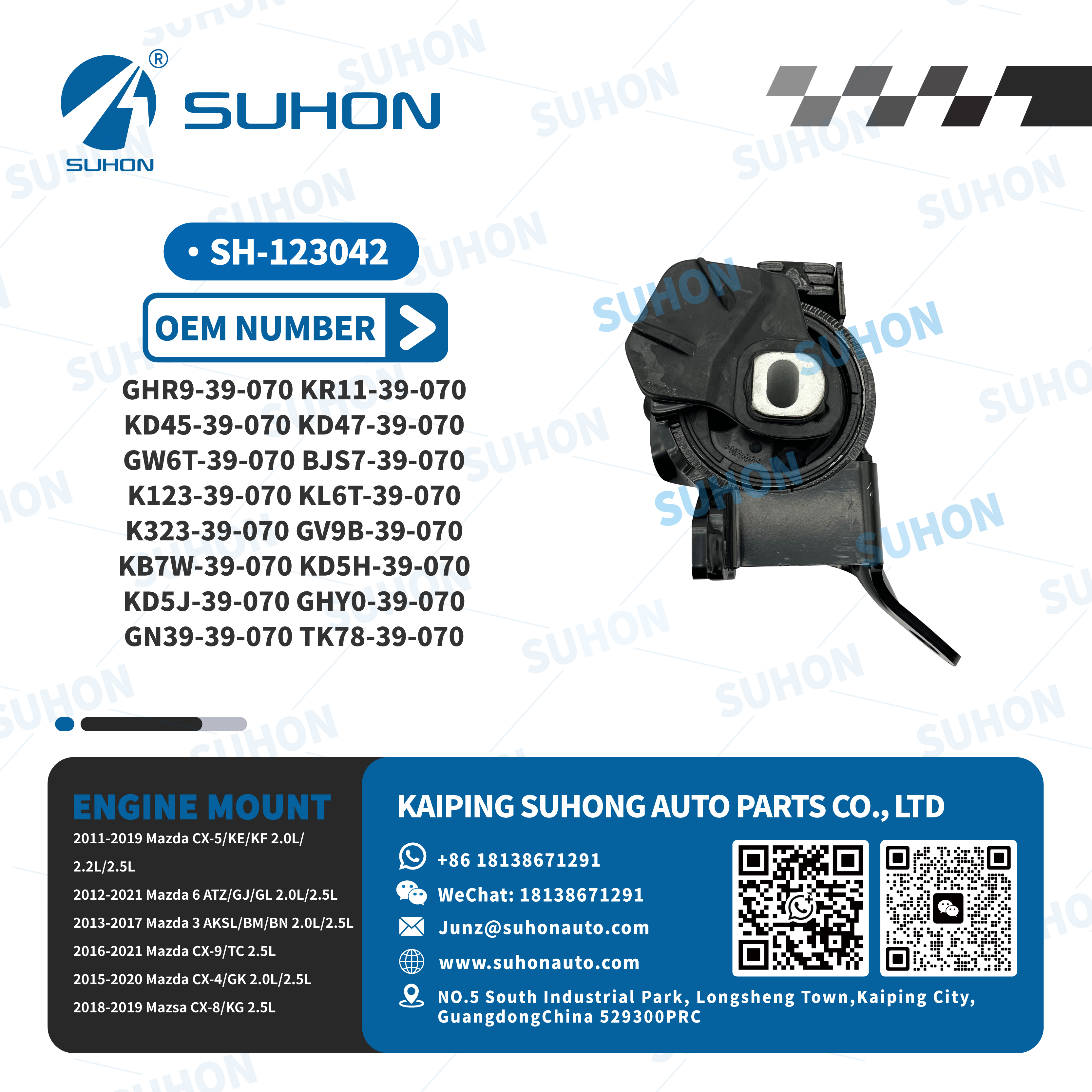
Engine mounts connect the engine to the vehicle frame. Most modern mounts combine metal brackets with a rubber core, and some use a fluid-filled design for extra damping. The rubber is the part that does the hard work—it absorbs the shaking and keeps the engine from moving around when you accelerate, brake, or turn.
When the rubber stays healthy, you barely notice your mounts at all. When it degrades, the engine starts to shift more than it should. That extra movement puts stress on hoses, belts, and the transmission, which is why ignoring worn mounts often leads to bigger repair bills down the road.
Worn motor mounts vibration is one of the most common complaints drivers report, and it usually means the rubber has lost its ability to dampen movement.
Catching a failing mount early saves money. Here are the symptoms most drivers notice first:
Excessive vibration at idle or when the car is in gear but stationary
Clunking or banging noises when starting, stopping, or shifting
Visible cracks or separation in the rubber when you inspect the mount
Engine movement that's greater than normal under acceleration
Rough gear changes caused by the engine rocking out of position
If you spot two or more of these signs, it's time to inspect the mounts closely.
The longer you drive on damaged rubber, the more strain spreads to other parts. The table below shows how the condition worsens and what it means for your vehicle.
Rubber condition | What you'll notice | Risk to the vehicle |
|---|---|---|
Like new | Smooth, quiet operation | None |
Minor cracking | Slight vibration at idle | Low—monitor closely |
Hardened or split | Clear shaking and clunking | Medium—plan a repair soon |
Torn or detached | Severe movement, loud bangs | High—stop driving and fix now |
As the condition moves down this table, the cost and complexity of the repair tend to climb. Acting at the "minor cracking" stage is far cheaper than waiting until the rubber tears completely.

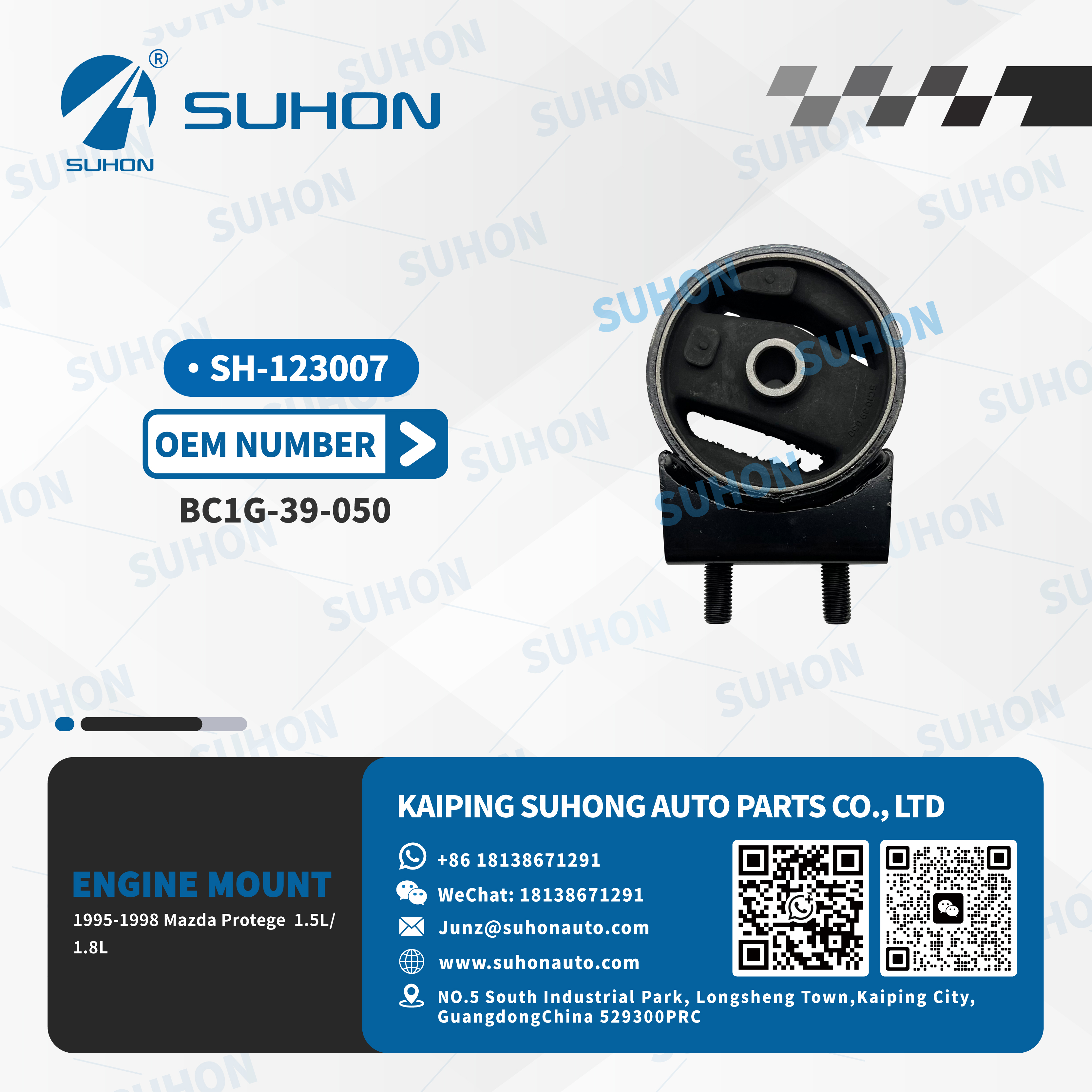
You have two realistic paths once a mount starts to fail. Both have a place, depending on the mount design and how far the damage has spread.
Repairing the rubber can work for simple, solid mounts where the rubber is bonded to metal plates. Some owners use specialized polyurethane fillers to rebuild small cracks. This approach is cheaper, but it rarely matches the performance of factory-grade rubber and is best treated as a short-term solution.
Replacing the entire mount is the more reliable fix, especially for fluid-filled or bracket-style mounts where the rubber can't be separated. A quality replacement restores full damping and the original feel of the car.
Choose a repair if the damage is minor, the mount is a simple solid type, and you need a low-cost stopgap. Choose a full replacement if the rubber is torn, the mount is fluid-filled, or you want a long-lasting result. For most drivers, a proper how to repair engine mount rubber decision comes down to mount type and how much movement you're already feeling.
Replacing a mount is achievable for a confident DIY mechanic, though it does call for the right tools and care. Here's the general process:
Park safely and prepare. Switch off the engine, let it cool, and chock the wheels.
Support the engine. Place a jack with a wood block under the oil pan to take the engine's weight—never let the engine hang on the remaining mounts.
Locate the faulty mount. Identify which mount shows cracking, separation, or excess play.
Remove the old mount. Unbolt the mount from both the engine bracket and the frame, then lift the engine slightly if needed for clearance.
Install the new mount. Fit the replacement, torque the bolts to the manufacturer's spec, and double-check alignment.
Lower and test. Remove the jack, start the engine, and confirm the vibration and noise are gone.
If you're unsure about lifting the engine safely, a professional shop can complete the job quickly and protect you from accidental damage. Choosing premium parts is just as important as the install itself—a quality engine mount rubber replacement part will outlast a cheap one by years.
Not all engine mount rubber is created equal. The raw material and the rubber formula determine how long a mount lasts and how well it dampens vibration. Manufacturers that use proven raw rubber—like Thailand RSS3 smoked sheet rubber and Vietnam SVR3L—combined with a stable formula and lab testing, produce mounts that hold up under heat, oil exposure, and constant flexing.
Kaiping Suhong Auto Parts, for example, has produced engine mounts since 1995 under ISO9001 certification, using these premium materials to deliver consistent quality. When you're comparing replacement parts, ask about the rubber source and whether the supplier tests their formula. A few dollars saved on a low-grade mount often turns into a repeat repair within a year.
Engine mount rubber may be a small component, but it has an outsized effect on how your car feels and how long its drivetrain lasts. Watch for the early warning signs—vibration, clunking, and rough shifts—and address them before the damage spreads. Whether you choose a quick repair or a full replacement, prioritize quality rubber and a careful installation.
If your car has started shaking or knocking, inspect your mounts this week. Catching the problem early is the simplest way to avoid a far bigger bill later.
How much does it cost to replace engine mount rubber?
Costs vary by vehicle and mount type. A single solid mount is relatively affordable, while fluid-filled mounts and labor-intensive locations raise the price. Replacing the full mount usually costs more upfront than a rubber repair but lasts far longer, making it the better value for most drivers.
How long can you drive with a bad engine mount?
You may be able to drive for a short time with a mildly cracked mount, but a torn or detached mount should be fixed immediately. Continued driving spreads stress to hoses, belts, and the transmission, turning a small job into a major repair.
Can I replace just the rubber instead of the whole mount?
Sometimes. Solid mounts with bonded rubber can occasionally be rebuilt with polyurethane fillers as a temporary fix. Fluid-filled and bracket-style mounts generally require full replacement because the rubber can't be separated from the assembly.
Is replacing an engine mount a DIY job?
A confident home mechanic can do it with a jack, wood blocks, and basic hand tools. The key risk is supporting the engine's weight safely. If you're not comfortable lifting the engine, a professional shop is the safer choice.
What makes one engine mount last longer than another?
The rubber raw material and formula matter most. Mounts made from high-grade rubber—such as Thailand RSS3 and Vietnam SVR3L—with a tested, stable formula resist heat, oil, and fatigue far better than cheap alternatives.


