


Views: 0 Author: Site Editor Publish Time: 2026-09-17 Origin: Site


A rough idle, a shudder at a red light, or a clunk every time you shift into drive can feel like a mystery — until you realize the problem is sitting quietly under the hood the entire time. Most drivers never think about the parts that physically hold their engine to the chassis, at least not until those parts start to fail. Yet these components play a surprisingly large role in ride comfort, drivetrain longevity, and even safety.
This article breaks down what engine mounts actually are, how they work, and why choosing the right ones matters for anyone maintaining a vehicle, running a repair shop, or sourcing parts for resale.
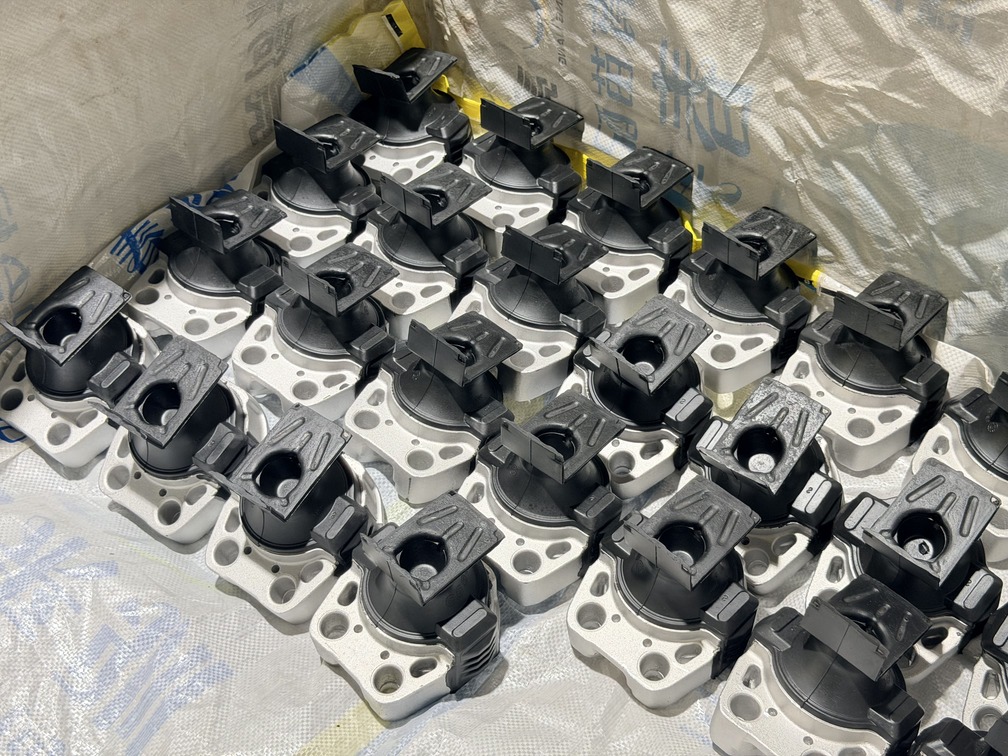
An engine mount is a bracket-and-bushing assembly, usually built from rubber and metal, that secures the engine to the vehicle's frame or subframe. Most vehicles use between two and four mounts, along with a separate mount for the transmission.
The job of an engine mount sounds simple: keep the engine in place. In reality, it's doing two things simultaneously. First, it physically supports the weight of the engine and transmission, which can range anywhere from 300 to over 700 pounds depending on the vehicle. Second, it absorbs the constant vibration and torque generated by a running engine, preventing that energy from transferring into the cabin.
Without functioning mounts, an engine would shift and rock every time you accelerate, brake, or hit a bump. Over time, this movement puts stress on connected components — hoses, wiring, exhaust pipes, and CV joints — that were never designed to flex that much.
Every engine mounting car assembly relies on a specific rubber compound bonded to a metal core. The rubber isn't just filler; it's engineered to flex under load while resisting heat, oil exposure, and age-related cracking. Cheaper aftermarket mounts often use generic rubber blends that harden or crack within a couple of years, while higher-grade compounds are formulated to maintain their elasticity across a wider temperature range and mileage span.
Some newer vehicles use hydraulic mounts, which include a fluid-filled chamber inside the rubber body. These are more effective at dampening vibration at idle speeds, which is why many manufacturers use them on the mount closest to the passenger cabin. Solid rubber mounts, by comparison, are simpler, more affordable, and still widely used across the aftermarket.
Worn mounts rarely fail without warning. The symptoms tend to build gradually, which is why they're often mistaken for other issues like bad spark plugs or worn CV joints.
Symptom | What It Usually Means |
|---|---|
Vibration at idle | Rubber has hardened or cracked, reducing dampening |
Clunking noise on acceleration or braking | Excess engine movement due to a broken or separated mount |
Visible engine tilt under the hood | Mount has failed structurally and is no longer supporting weight |
Knocking sounds when shifting gears | Transmission mount is worn, allowing drivetrain shift |
Increased cabin vibration at highway speed | Multiple mounts degrading simultaneously |
Any one of these symptoms is worth investigating. Left unaddressed, a failed mount can allow the engine to shift far enough to damage the radiator, exhaust system, or wiring harness — turning a moderate repair into a much larger bill.
It's tempting to think of car mounting hardware as a low-priority replacement part, but the quality of the rubber compound and the precision of the metal casting directly affect how long a repair actually lasts. A mount built to OE-equivalent standards will typically match the vibration dampening characteristics the vehicle was designed around, while a poorly matched replacement can introduce new noise, vibration, or premature wear on nearby components.
This is especially relevant for repair shops and parts distributors, where a callback due to a failed mount costs both time and customer trust. Sourcing from a manufacturer with consistent quality control — rather than the lowest-cost option available — tends to reduce comebacks and protect margins over time.
Fitment matters more with engine mounts than with almost any other suspension or drivetrain component, since a mismatched mount can sit at the wrong angle or fail to bear load correctly. Vehicle-specific OE reference numbers exist precisely for this reason. For example, the 50850-t2a-a02 reference is associated with certain Honda applications, and matching a replacement to this type of number — rather than relying on a generic "universal fit" part — is the most reliable way to confirm compatibility before ordering.
For anyone unsure which mount their vehicle requires, checking the OE number stamped on the original part, or cross-referencing it with a manufacturer's catalog, remains the safest approach.
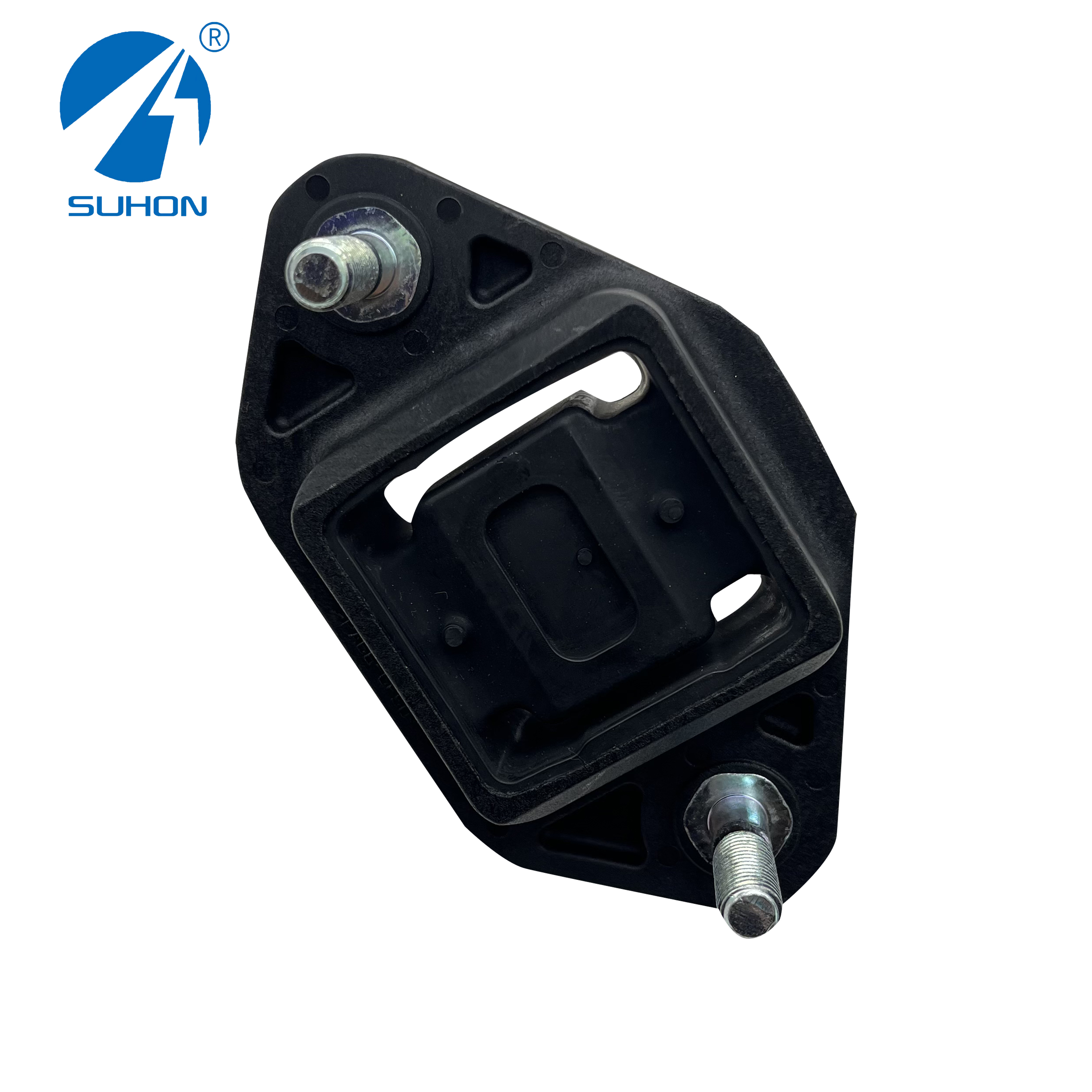

Kaiping Suhon Auto Parts has been manufacturing automotive rubber-metal components since 1995, with ISO9001-certified production standards behind every mount it produces. The company's engine mounts are built using proprietary rubber formulations developed from Thailand RSS3 and Vietnam SVR3L rubber, chosen specifically for their resistance to temperature extremes, aging, and oil exposure.
Every mount goes through OE-standard laboratory testing before it reaches distributors, and the product range covers major OE applications across Toyota, Honda, Nissan, Mazda, Ford, Subaru, Renault, Mercedes-Benz, and BMW platforms. For workshops and parts buyers looking for a supplier that combines consistent quality with broad vehicle coverage, this kind of vertically controlled manufacturing process is worth factoring into a sourcing decision.
Engine mounts are one of those components that go unnoticed right up until they fail — and by then, the fix is usually more urgent than it needed to be. Paying attention to early symptoms like idle vibration or clunking noises, and replacing worn mounts with parts that match OE specifications, is the simplest way to avoid a much bigger repair bill down the road.
If you're maintaining a vehicle or sourcing parts for resale, take the time to confirm the correct OE reference before purchasing a replacement. It's a small step that prevents a lot of frustration later.
How long do engine mounts typically last?
Most engine mounts last between 5 and 10 years, though this varies based on driving conditions, engine torque, and rubber quality. Vehicles used for towing or frequent stop-and-go driving tend to wear mounts faster.
Can I drive with a broken engine mount?
It's possible in the short term, but not advisable. A broken mount allows excess engine movement, which can damage surrounding components and, in severe cases, affect vehicle control.
Do all engine mounts need to be replaced at the same time?
Not necessarily, but if one mount has failed due to age, the others are often close behind. Many technicians recommend replacing mounts in pairs or sets to avoid repeat labor costs.
Is it better to replace an engine mount with an OE part or an aftermarket one?
This depends on the application. Choose an OE-equivalent part if long-term reliability and factory-matched dampening are priorities. A verified aftermarket option can be a reasonable choice when it's manufactured to the same specifications and tested against the original OE benchmark.


