


Views: 0 Author: Site Editor Publish Time: 2026-09-02 Origin: Site


If your car has started shaking at idle, clunking when you shift, or lurching when you accelerate, worn motor mounts might be to blame. These small rubber-and-metal parts hold your engine in place and absorb its vibration. When they fail, both comfort and safety take a hit—and so does your wallet if you wait too long.
The tricky part is that pricing varies a lot. Two drivers with the same problem can pay wildly different amounts depending on their car, their location, and the quality of parts used. Understanding what drives the cost of motor mount replacement helps you plan ahead and avoid getting overcharged.
This guide breaks down what you actually pay, what affects the price, and how choosing the right parts—like those from Suhong Auto Parts—keeps your repair budget under control.
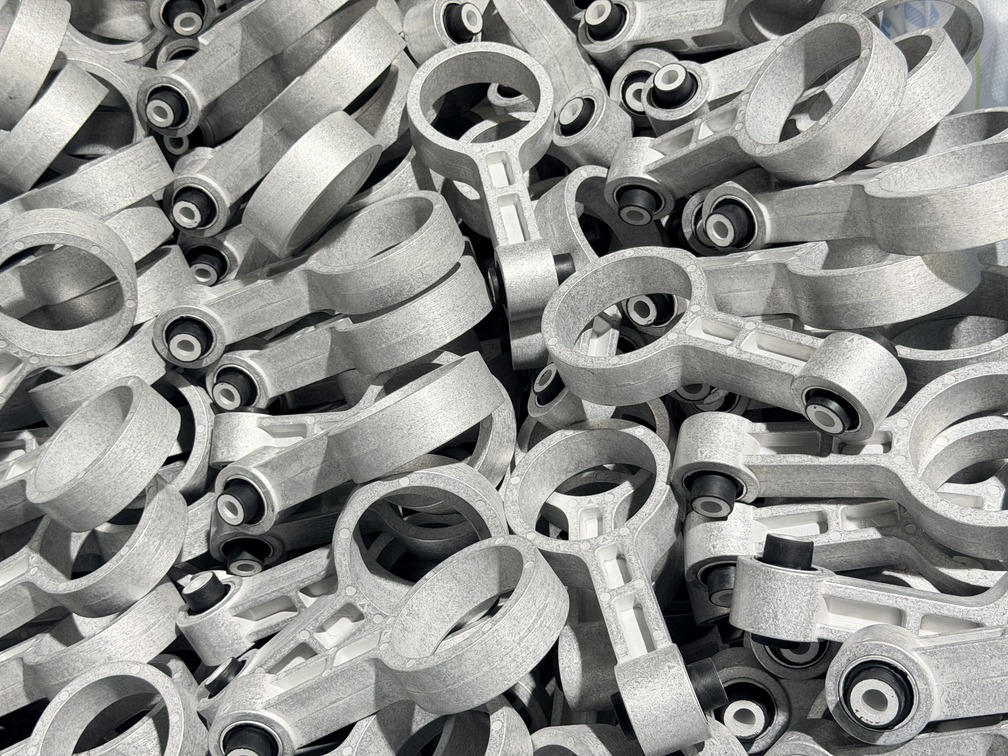
A motor mount repair bill has two main parts: the mounts themselves and the labor to install them. Parts pricing depends heavily on quality and vehicle type. Labor depends on how buried the mount is inside the engine bay.
Some mounts sit in easy-to-reach spots and take under an hour to swap. Others require lifting the engine or removing components first, which quickly adds to the total. Most vehicles have three or four mounts, and shops often recommend replacing more than one at a time if the others show wear.
Here's a general breakdown of what drivers typically encounter:
Repair Component | Typical Price Range | Notes |
|---|---|---|
Single mount (part only) | $50 – $200 | Varies by brand and vehicle |
Labor (per mount) | $100 – $350 | Depends on accessibility |
Full replacement (parts + labor) | $200 – $600 | For one mount, most vehicles |
Multiple mounts at once | $400 – $1,000+ | Common for high-mileage cars |
These figures are estimates. Luxury and performance vehicles tend to sit at the higher end, while common sedans fall toward the lower range.
Several factors push the final number up or down. Knowing them helps you understand why a quote might feel high—or suspiciously low.
Vehicle make and model. A compact commuter car uses simpler, cheaper mounts. A German luxury sedan may use hydraulic or electronically controlled mounts that cost several times more.
Mount type. Basic rubber mounts are the most affordable. Hydraulic mounts, which offer smoother vibration control, cost more to buy and replace.
Labor rates. Shop rates differ by region. A repair in a major city often costs more than the same job in a smaller town.
Number of mounts replaced. Because mounts wear at similar rates, mechanics often suggest replacing several at once. This raises the upfront bill but saves on repeated labor charges later.
Weighing these factors early gives you a realistic sense of the cost of engine mount work before you set foot in a shop.
Not every mount requires a full replacement. In some cases, only the rubber bushing inside the mount has degraded. Replacing just the bushing can be cheaper than swapping the entire assembly—though it depends on the design of your specific mount.
Many modern mounts come as sealed units, which means the whole part must be replaced. Older or simpler designs may allow the bushing alone to be serviced. If your mechanic offers this option, ask whether it's a lasting fix or a temporary patch. A well-made bushing keeps the engine stable and prevents further drivetrain stress.
You can't control shop labor rates, but you can control the parts that go into your car. Cheap, low-quality mounts often fail early, leaving you to pay for the same repair twice. Durable mounts made to original-equipment standards last far longer and protect the rest of your drivetrain.
This is where the source of your parts matters. Kaiping Suhong Auto Parts Co., Ltd. has manufactured engine mounts since 1995 and operates under ISO9001 certification. The company uses premium imported rubber—Thailand RSS3 cigarette rubber and Vietnam SVR3L—combined with stable rubber formulas and professional laboratory testing.
That focus on materials matters more than it sounds. Suhong's proprietary rubber compounds are engineered for temperature resistance, aging resistance, and oil and wear resistance, delivering reliable vibration control under demanding conditions. Choosing mounts built to these standards reduces the odds of a repeat repair, which keeps your long-term spending down.
For drivers comparing quotes, factoring in part quality changes the math. A slightly higher upfront price on a durable mount often works out cheaper than a bargain part that fails within a year—something worth remembering when you look at the engine mount bushing replacement cost on your estimate.
Motor mount pricing isn't fixed, but it is predictable once you know what shapes it. Vehicle type, mount design, labor rates, and part quality all pull the final number in one direction or another. The smartest move is to address worn mounts early, before they damage nearby components, and to insist on parts built to last.
If you're sourcing replacement mounts, look for a manufacturer with a proven track record and verifiable quality standards. Suhong Auto Parts, with more than two decades of manufacturing experience and OE-standard testing, offers engine mounts trusted by customers across the global aftermarket. Investing in reliable parts today is the surest way to avoid paying twice tomorrow.
How long do motor mounts usually last?
Most mounts last between 60,000 and 100,000 miles, though driving habits, climate, and road conditions can shorten or extend that range. Aggressive driving and extreme temperatures wear rubber faster.
Can I drive with a broken motor mount?
You can, but it's risky. A failed mount lets the engine shift more than it should, which strains hoses, belts, and other mounts. Prolonged driving can turn a moderate repair into a much larger one.
Is it worth replacing all mounts at once?
Often, yes. If your car has high mileage and one mount has failed, the others are likely close behind. Replacing them together saves on repeated labor costs.
Do quality mounts really make a difference?
Absolutely. Mounts made with premium rubber and tested to OE standards resist heat, oil, and aging far better than budget parts, which means fewer repeat repairs and better vibration control.


