


Views: 0 Author: Site Editor Publish Time: 2025-12-22 Origin: Site


The heart of your vehicle, the engine, relies on a system of supports to operate smoothly and quietly. Central to this system are the automotive engine mounts, particularly the rubber engine mounts. These components absorb vibrations and shocks from the engine, preventing them from transferring to the vehicle's chassis. Over time, the rubber in these mounts can degrade, crack, or break, leading to a host of problems. Understanding how to address issues with your rubber engine mounts, especially the critical front engine mount, is key to maintaining your vehicle's performance and comfort.
This guide will walk you through the importance of automotive engine mounts, how to identify a failing one, and the steps involved in repairing or replacing the rubber engine mounts.
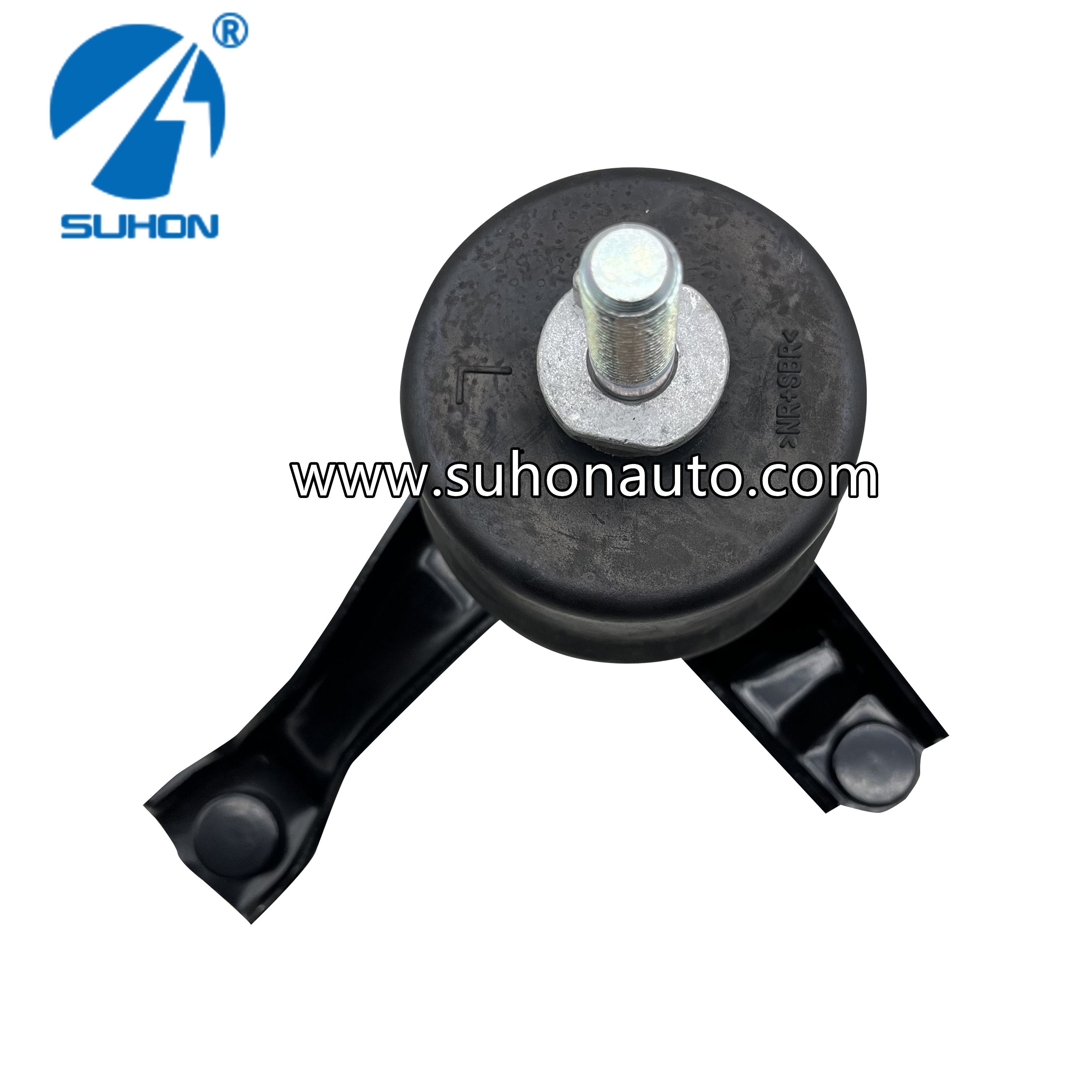
Automotive engine mounts are more than just simple brackets. They are engineered components designed to secure the engine and transmission to the vehicle's frame. A typical car has three or four mounts, with the front engine mount often bearing a significant portion of the engine's torque. The primary material used in these components is a durable, flexible rubber, which gives us the term rubber engine mounts.
Support: They hold the engine in place, preventing excessive movement during acceleration, deceleration, and cornering.
Dampening: They absorb the natural vibrations produced by the engine, ensuring a smooth and quiet ride for the occupants.
When automotive engine mounts are in good condition, you barely notice them. However, when they fail, the symptoms are hard to ignore.

A faulty rubber engine mount can manifest in several ways. The most common signs point to excessive engine movement and increased vibration. Being able to spot these symptoms early can save you from more significant repairs down the line.
Excessive Vibrations: This is the most prevalent symptom. If you feel a strong vibration through the steering wheel, floor, or seats, particularly when the car is idling or under acceleration, your rubber engine mounts are likely compromised.
Impact Noises: Clunking, banging, or other impact sounds from the engine bay are a red flag. These noises occur when the engine shifts and hits other components, a direct result of a failed front engine mount or other automotive engine mounts.
Engine Movement: A visual inspection can be revealing. Have a friend put the car in drive with the brake held down and gently press the accelerator. If you see the engine lurch or lift excessively, it's a clear sign of a broken rubber engine mount.
Visual Damage: Sometimes, you can see the problem. Look for cracks, splits, or separated rubber on the automotive engine mounts. Leaking fluid is also a sign of failure in hydraulic-filled rubber engine mounts.
A damaged front engine mount is often the first to fail due to the forces it endures. Regular inspection of all automotive engine mounts is a good maintenance practice.
The direct answer to "how to repair engine mount rubber?" is often "replacement." The specialized rubber used in rubber engine mounts is bonded to the metal housing under high pressure and heat. Attempting a DIY repair on the rubber itself using adhesives or sealants is not recommended. These temporary fixes cannot withstand the constant vibration, heat, and torque of an engine and will fail quickly, compromising your safety.
The proper "repair" for a damaged rubber engine mount is to replace the entire mount assembly. This ensures that the component's structural integrity and dampening properties are fully restored. Trying to patch up old automotive engine mounts is a risk not worth taking. High-quality replacement rubber engine mounts are the only reliable solution.
Replacing a front engine mount is a manageable task for someone with moderate mechanical skill and the right tools. The process for other automotive engine mounts will be similar.
Disclaimer: This is a general guide. Always consult your vehicle's specific service manual for detailed instructions.
Tool/Material | Description |
|---|---|
New Engine Mount | A high-quality replacement part, like a new front engine mount. |
Jack and Jack Stands | To safely lift and support the vehicle. |
Floor Jack & Wood Block | To support the engine's weight when the mount is removed. |
Socket Set & Wrenches | A comprehensive set to remove various bolts and nuts. |
Torque Wrench | To tighten bolts to the manufacturer's specified torque. |
Penetrating Oil | To help loosen rusted or stubborn bolts. |
Safety Goggles & Gloves | Essential for personal protection. |
Prepare the Vehicle: Park on a level surface and engage the parking brake. Disconnect the negative battery terminal for safety.
Lift the Vehicle: Use a jack to lift the front of the vehicle and secure it firmly on jack stands. Never work under a car supported only by a jack.
Support the Engine: Place a block of wood on a floor jack and position it under the engine's oil pan. Gently raise the jack until it just supports the engine's weight. This prevents the engine from dropping when you remove the old front engine mount.
Locate the Front Engine Mount: Identify the front engine mount. It connects the front of the engine to the vehicle's frame or subframe. Its location varies by vehicle model.
Remove the Old Mount: Spray penetrating oil on the bolts holding the rubber engine mount in place. Carefully loosen and remove the bolts connecting the mount to the frame and the engine bracket. You may need to slightly raise or lower the engine with the floor jack to relieve pressure on the bolts. Once all bolts are removed, take out the old automotive engine mount.
Install the New Rubber Engine Mount: Compare the new front engine mount with the old one to ensure it's the correct part. Position the new rubber engine mount and hand-tighten the bolts. Do not fully tighten them yet.
Align and Tighten: Ensure the mount is properly seated. Use the floor jack to make minor adjustments to the engine's height if needed for alignment. Once aligned, tighten the bolts to the manufacturer's specified torque using a torque wrench. It's crucial not to over-tighten them.
Finalize the Installation: Lower the floor jack, removing support from the engine. Lower the vehicle off the jack stands. Reconnect the battery terminal.
Test Drive: Start the engine and listen. The excessive vibrations and noises should be gone. Take a short test drive to confirm that the issue with your automotive engine mounts is resolved.
Replacing other rubber engine mounts follows a similar procedure, though access may be more challenging for side or rear mounts. The key is always to support the engine's weight before removing any mount.
A: The cost varies widely based on the vehicle make and model, and labor rates. Parts can range from $50 to over $200 per mount. A professional replacement for a single front engine mount could cost between $200 and $500, including labor. Replacing all automotive engine mounts will be more.
A: It is not advisable. A failing rubber engine mount puts extra stress on the remaining mounts, the transmission, and other driveline components. Continued driving can lead to more severe damage, including harm to hoses, belts, and the exhaust system.
A: Rubber engine mounts typically last between 5 to 10 years, or 60,000 to 100,000 miles. However, factors like driving habits, climate, and road conditions can affect their lifespan. Exposure to oil leaks can also accelerate the degradation of the rubber.
A: If one rubber engine mount has failed due to age and wear, the others are likely in a similar condition. While not always necessary, replacing all automotive engine mounts at the same time is a good preventative measure that ensures balanced support and dampening for the entire engine system. It can save you from future repairs.

When it comes to crucial components like automotive engine mounts, quality matters. Choosing a subpar rubber engine mount can lead to premature failure, forcing you to repeat the repair process sooner than expected. A high-quality front engine mount or a complete set of rubber engine mounts will provide the durability and performance your vehicle needs.
For superior reliability and engineering, look no further than suhon auto. We specialize in producing top-tier automotive engine mounts designed to meet or exceed OEM specifications. Our commitment to quality ensures that every rubber engine mount provides excellent vibration control and long-lasting support for your vehicle.
Don't compromise on safety or comfort. For your next engine mount replacement, trust the experts.
Choose suhon auto for your automotive parts needs. Contact us today for more information:
Email: junz@suhonauto.com
Phone: +86 18138671291


