


Views: 0 Author: Site Editor Publish Time: 2026-04-09 Origin: Site


Maintaining a vehicle requires careful attention to various mechanical components. Among the most critical yet frequently overlooked parts are your automotive engine mounts. These essential components keep your powertrain secure, absorb vibrations, and ensure a smooth driving experience. When these parts begin to fail, recognizing the symptoms early can save you from extensive repairs. We will explore the common signs of failing engine motor mounts, the role of a secure engine bracket, and how you can maintain optimal vehicle performance.

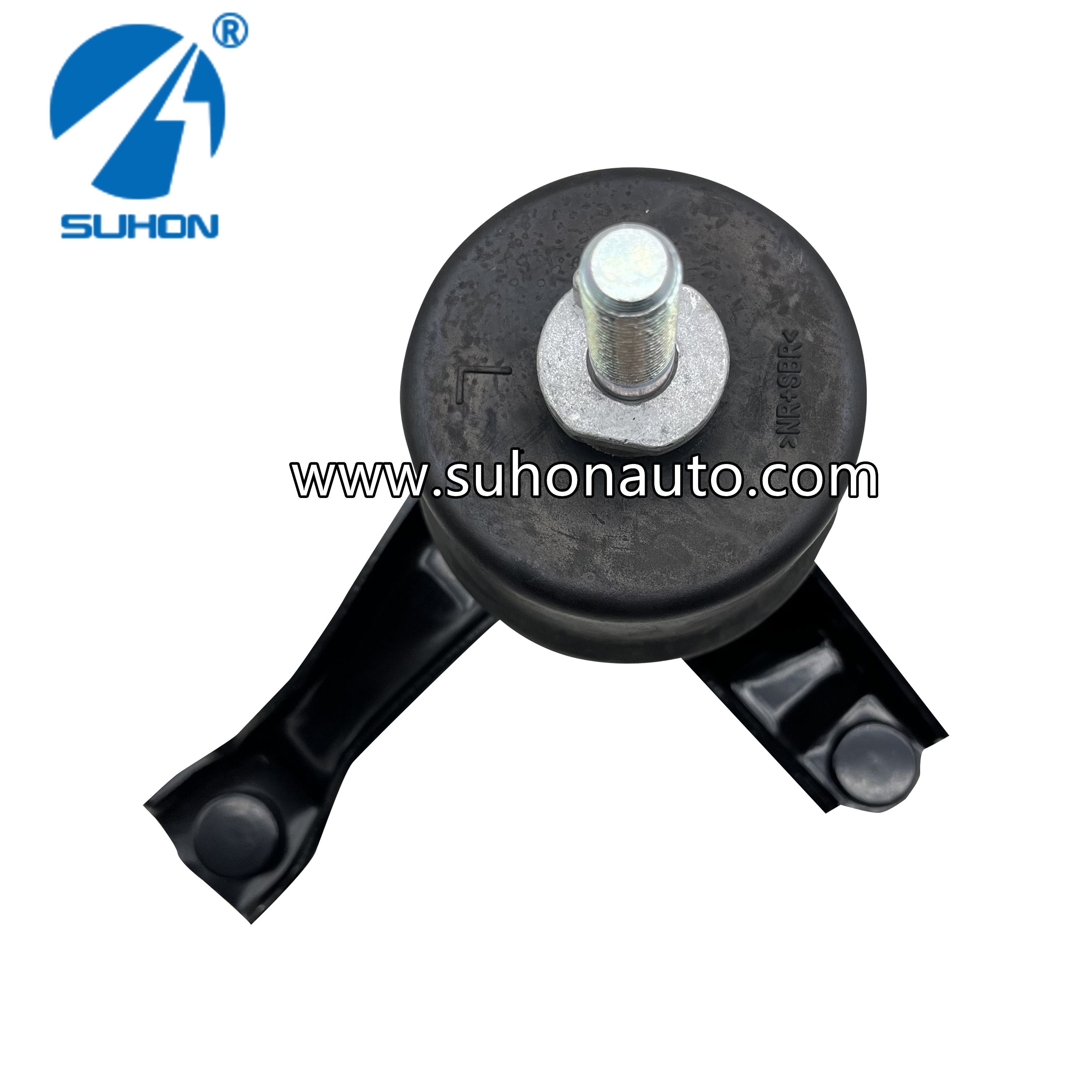
To appreciate the symptoms of wear, you first need to understand the purpose of automotive engine mounts. These parts connect your engine to the vehicle frame. A typical vehicle utilizes several engine motor mounts to distribute the weight evenly. They consist of a sturdy metal structure, often referred to as an engine bracket, paired with a rubber or polyurethane insulator.
The metal engine bracket secures the powertrain in place, while the rubber component absorbs the immense vibrations generated during combustion. Without functioning automotive engine mounts, the violent shaking of the engine would transfer directly to the cabin, making for an incredibly uncomfortable ride. Furthermore, engine motor mounts protect other delicate components under the hood from structural damage caused by excessive movement.
An engine bracket serves as the structural foundation of the mounting system. This rigid metal piece bolts directly to the engine block on one side and the vehicle's chassis on the other. When you accelerate, decelerate, or take sharp turns, the engine bracket prevents the engine from shifting dangerously. High-quality automotive engine mounts utilize a robust engine bracket design to withstand years of mechanical stress and thermal fatigue.

Over time, the rubber materials within your automotive engine mounts deteriorate due to heat, age, and constant stress. As the insulators crack or tear, the engine bracket loses its ability to hold the engine firmly. Please pay close attention to the following primary symptoms indicating that your engine motor mounts require immediate inspection.
The most common and noticeable sign of failing automotive engine mounts is an increase in cabin vibration. When the rubber insulator within the engine motor mounts degrades, it can no longer absorb the natural tremors of the engine. You will likely feel this vibration most prominently through the steering wheel, the floorboards, or your seat. If your vehicle shakes noticeably while idling at a traffic light, please have a professional inspect your engine bracket and automotive engine mounts.
A damaged engine bracket or entirely torn engine motor mounts will allow the engine to physically move within the engine bay. This excessive movement often results in loud clunking, banging, or impact noises. You might hear these alarming sounds when you start the vehicle, shift from park to drive, or accelerate suddenly. The noise occurs because the metal engine bracket strikes the chassis or other surrounding components. Ignoring these noises can lead to severe structural damage, so please address faulty automotive engine mounts as soon as you hear them.
If your automotive engine mounts are severely compromised, you might experience a lurching sensation when applying the gas pedal. Because the engine motor mounts fail to hold the powertrain steady, the torque generated during acceleration causes the engine to tilt backward. A broken engine bracket allows this extreme movement, which can strain vital connections. In some cases, you can even open the hood, have a licensed mechanic safely observe the engine block, and see it visibly jump when the throttle engages.
While vibrations and noises are the most obvious indicators, worn automotive engine mounts can manifest through secondary, less direct symptoms. A failing engine bracket can cause a chain reaction of mechanical issues throughout your vehicle.
If you frequently inspect your engine bay, you might notice that the engine sits at a slight angle or appears lower on one side. This visible sagging indicates that one or more automotive engine mounts have completely collapsed. When an engine bracket fails to support its designated weight, it forces the remaining engine motor mounts to bear an excessive load, accelerating their wear and tear.
When automotive engine mounts allow the engine to shift out of its designated position, it pulls on the various belts, hoses, and wiring harnesses connected to it. A broken engine bracket might stretch radiator hoses to their breaking point, resulting in coolant leaks. Additionally, the excessive movement caused by failing engine motor mounts can misalign the drive belts, causing them to squeal or snap prematurely.

Please review the following table summarizing how worn automotive engine mounts impact your driving experience.
Symptom | Underlying Cause | Effect on Vehicle Performance |
|---|---|---|
Excessive Cabin Vibration | Degraded rubber inside the automotive engine mounts. | Uncomfortable ride, especially noticeable while idling in gear. |
Clunking or Banging Noises | A broken engine bracket striking the vehicle's frame. | Metal-on-metal impact sounds during shifting or hard acceleration. |
Engine Lurching | Torn engine motor mounts allowing excessive torque movement. | A noticeable jerking sensation when applying the throttle. |
Visible Engine Sagging | Completely collapsed automotive engine mounts. | Misaligned powertrain putting stress on remaining engine motor mounts. |
Damaged Hoses/Belts | Engine shifting due to a failed engine bracket. | Stretched wiring, broken belts, or potential fluid leaks. |
Replacing worn automotive engine mounts is crucial for preserving the lifespan of your vehicle. Driving with a broken engine bracket or compromised engine motor mounts is not merely an inconvenience; it presents a genuine safety hazard. The continuous shifting of the engine can damage the transmission, exhaust system, and drivetrain components.
When selecting replacement parts, please ensure you choose high-quality automotive engine mounts. A durable engine bracket and premium rubber insulators will guarantee that your new engine motor mounts last for tens of thousands of miles. Regular inspections of your automotive engine mounts during routine oil changes can help you catch a cracked engine bracket before it leads to catastrophic engine failure.

Understanding the symptoms of worn automotive engine mounts empowers you to take proactive steps in vehicle maintenance. By paying attention to unusual vibrations, clunking noises, and visual misalignments, you can identify a failing engine bracket before it causes secondary damage. Properly functioning engine motor mounts ensure a smooth, quiet, and safe ride. If you suspect your automotive engine mounts are reaching the end of their lifespan, we highly recommend sourcing your replacement parts from suhon auto, a trusted provider of premium engine components.
What is the average lifespan of automotive engine mounts?
Most automotive engine mounts last between 50,000 and 100,000 miles. However, aggressive driving habits, extreme climates, and fluid leaks can degrade the rubber in your engine motor mounts and weaken the engine bracket much faster.
Can I drive with broken engine motor mounts?
We strongly advise against driving with broken automotive engine mounts. A failed engine bracket allows the engine to shift unpredictably, which can damage your transmission, break hoses, and create a severe safety risk on the road.
Should I replace all my automotive engine mounts at the same time?
Yes, it is generally best practice to replace all engine motor mounts simultaneously. If one engine bracket has failed, the remaining automotive engine mounts have likely been subjected to excessive stress and will soon follow.
How do mechanics test an engine bracket for wear?
Mechanics typically perform a visual inspection of the automotive engine mounts for cracks, tears, or leaking hydraulic fluid. They may also perform a "brake torque test" to observe if the engine motor mounts allow excessive engine movement under load.

Contact Information
Email: junz@suhonauto.com
Phone: +86 18138671291


