


Views: 0 Author: Site Editor Publish Time: 2026-03-02 Origin: Site


Have you noticed your car vibrating excessively or making clunking noises when you accelerate? These could be telltale signs of a failing motor engine mount. The motor mounts in your vehicle play a crucial role, securing the engine to the frame and absorbing vibrations. When these components wear out, it can lead to a rough ride and potential damage to other parts. A motor mount replacement can seem daunting, but with the right guidance, it is a manageable task for a skilled DIY mechanic. This comprehensive guide will walk you through everything you need to know about the motor mount replacement process, from identifying bad motor mounts to installing new ones. We will cover the tools you need, the safety precautions to take, and the detailed steps for a successful motor engine mount swap.
Before you begin a motor mount replacement, you must confirm that the motor mounts are indeed the problem. A failing motor engine mount can manifest in several ways. Recognizing these symptoms early can save you from more extensive repairs down the road.
One of the most common signs of a bad motor mount is a significant increase in vibration felt inside the cabin. The primary job of motor mounts is to dampen the engine's vibrations. When they fail, that vibration is transferred directly to the car's frame. You might feel this shaking through the steering wheel, the floor, or the seats, especially when the car is idling or under load. If your smooth ride has become a shaky experience, your motor mounts are likely the culprit.


Unusual sounds are another red flag. You might hear loud clunking, banging, or popping noises, particularly when you accelerate, decelerate, or shift gears. These sounds are often caused by the engine shifting and hitting against other components because the failing motor mounts can no longer hold it securely in place. Ignoring these noises can lead to serious damage, making an immediate inspection for a potential motor mount replacement necessary.
A visual check can often confirm your suspicions. Look at each motor engine mount. You are searching for visible cracks, splits, or separation in the rubber material. You may also see fluid leaking from hydraulic motor mounts, which is a clear sign of failure. The metal parts of the motor mount might also show signs of rust or damage. An obviously deteriorated motor mount is a clear candidate for a motor mount replacement.
Having the right tools is essential for a smooth motor mount replacement. Attempting this job without the proper equipment can be frustrating and dangerous. Below is a table outlining the necessary tools and supplies for a typical motor engine mount replacement project.
Tool Category | Specific Items |
|---|---|
Lifting & Support | Floor Jack, Jack Stands |
Hand Tools | Socket Set (Metric & Imperial), Wrench Set, Ratchet with Extensions, Pry Bar, Torque Wrench |
Safety Gear | Safety Glasses, Gloves |
Supplies | Penetrating Oil, New Motor Mounts |
Gathering these items before you start will ensure the motor mount replacement process goes as planned. Using a torque wrench is particularly important for tightening the new motor mount bolts to the manufacturer's specifications.
With your new motor mounts and tools ready, you can begin the replacement process. This guide provides a general overview; however, the exact steps can vary depending on your vehicle's make and model. Always consult your vehicle's service manual for specific instructions.
Safety is the top priority. Park your car on a level, solid surface and engage the parking brake. Place wheel chocks behind the rear wheels to prevent the car from rolling. Next, you will need to lift the front of the vehicle. Use a floor jack to raise the car and then securely place jack stands under the designated lift points on the frame. Never work under a vehicle supported only by a jack. Once the vehicle is secure, you may need to disconnect the negative battery terminal as a safety precaution.
Before you can remove the old motor mounts, you must support the weight of the engine. The motor mounts are what hold the engine up, so removing them without providing alternative support will cause the engine to drop. Place a block of wood on the lifting pad of your floor jack to protect the oil pan. Carefully position the jack under the engine's oil pan and raise it just enough to take the weight off the motor mounts. Do not lift the engine too high, as this can strain hoses and wires. The goal is to support it, not raise the car with it.
This is where the motor mount replacement gets hands-on. Start by spraying penetrating oil on the bolts and nuts of the motor mount you are replacing. This will help loosen any rust or corrosion. Using your socket set and wrenches, carefully remove the bolts that attach the motor engine mount to the frame and the engine block. You may need extensions or a pry bar to access and loosen tight bolts. Once all fasteners are removed, you should be able to lift the old motor mount out. Pay close attention to the orientation of the old mount, as the new one must be installed in the same way.

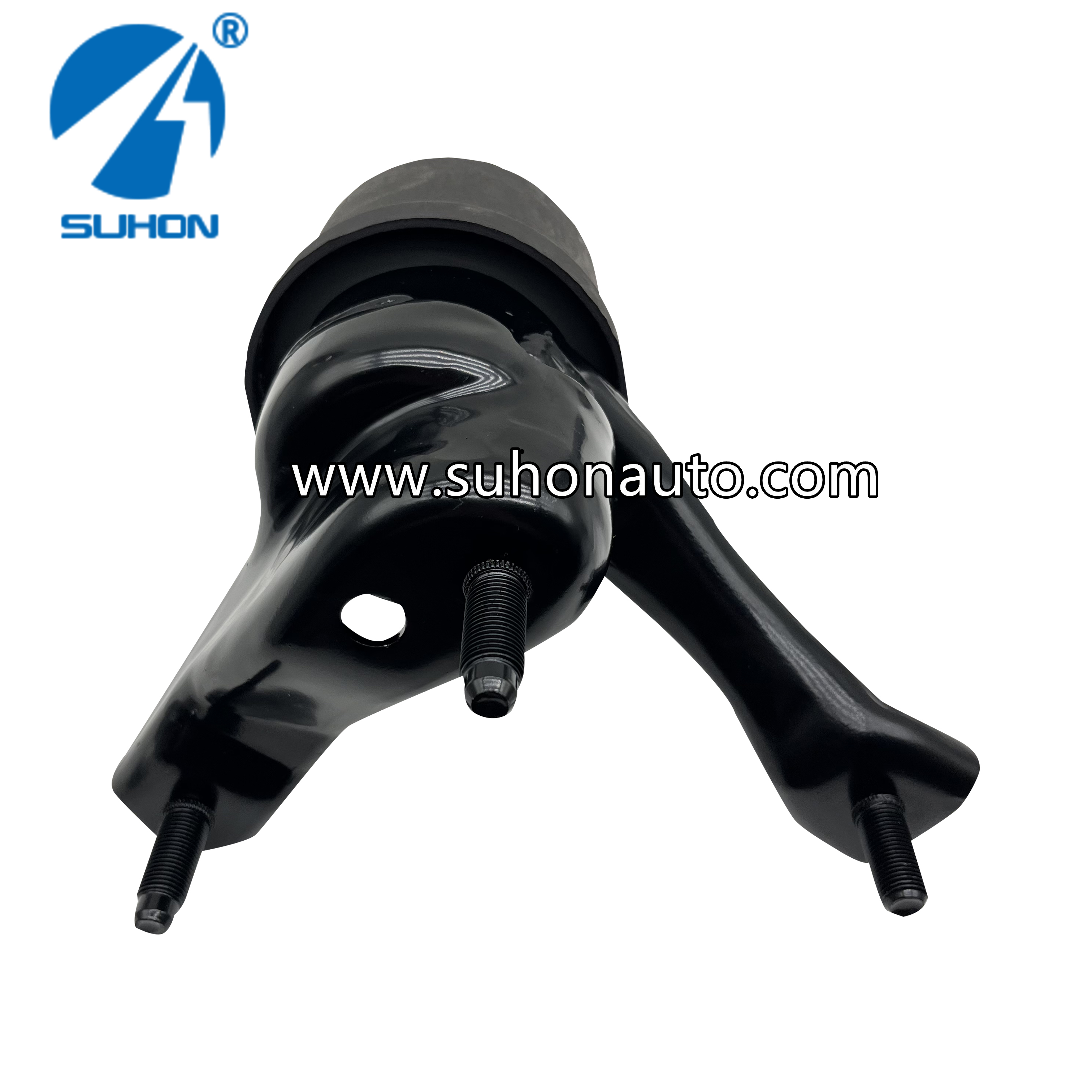
Compare the new motor mount to the old one to ensure it is the correct part. Position the new motor engine mount in place, aligning it with the bolt holes on the engine block and the vehicle's frame. Hand-tighten the bolts first to ensure they are threaded correctly and avoid cross-threading.
Once all bolts are in place, use your torque wrench to tighten them to the manufacturer's specified torque settings. This is a critical step in a proper motor mount replacement. Over-tightening can damage the bolts or the mount, while under-tightening can allow the engine to move, defeating the purpose of the new motor mounts. After one mount is done, you can repeat the process for any other failing motor mounts.
After all new motor mounts are installed and torqued, you can slowly lower the engine back into place by releasing the floor jack. Remove the jack from under the engine. Re-check all the bolts on the new motor mounts to ensure they are secure. If you disconnected the battery, reconnect it now. Lower the vehicle off the jack stands, remove the wheel chocks, and take your car for a test drive. You should notice a significant reduction in vibration and noise, confirming a successful motor mount replacement.
Most cars have between three and four motor mounts. The exact number and location depend on the engine type (e.g., inline, V6, V8) and drivetrain configuration (e.g., FWD, RWD, AWD). Each motor engine mount is strategically placed to support the engine's weight and counteract its torque.
While you technically can drive with a bad motor mount, it is not recommended. Continuing to drive can cause further damage to other components, such as the exhaust system, transmission, and axles, due to excessive engine movement. A timely motor mount replacement is the best course of action.
The difficulty of a motor mount replacement varies. For some vehicles, the motor mounts are easily accessible, making it a straightforward job for someone with moderate mechanical skill. For others, the mounts may be buried deep in the engine bay, requiring the removal of other parts to gain access. This makes the motor engine mount replacement process much more complex.
For reliable and durable components for your next motor mount replacement project, consider high-quality parts that meet OEM specifications. For expertly crafted motor mounts designed for performance and longevity, we recommend exploring the options from suhon auto.


Email: junz@suhonauto.com
Phone: +86 18138671291


