


Views: 0 Author: Site Editor Publish Time: 2026-01-14 Origin: Site


When you notice your vehicle shaking excessively at a red light, you might ask yourself what keeps the engine stable. The answer usually lies in the condition of your rubber engine mounts. These components are the unsung heroes of your vehicle's chassis, bridging the gap between a vibrating engine and the metal frame of the car. Many enthusiasts debate whether to upgrade to stiffer materials, but for the average driver, the question remains: are rubber engine mounts actually the superior choice?
Understanding the value of engine motor mounts requires looking at how they affect ride quality. While performance cars might benefit from rigid connections, daily commuters rely on the isolation provided by rubber engine mounts. If you are experiencing clunking noises or rough idling, your front engine mount might be the culprit. This article explores why rubber engine mounts are the industry standard, how the front engine mount functions under stress, and when you should replace your engine motor mounts to maintain peak performance.

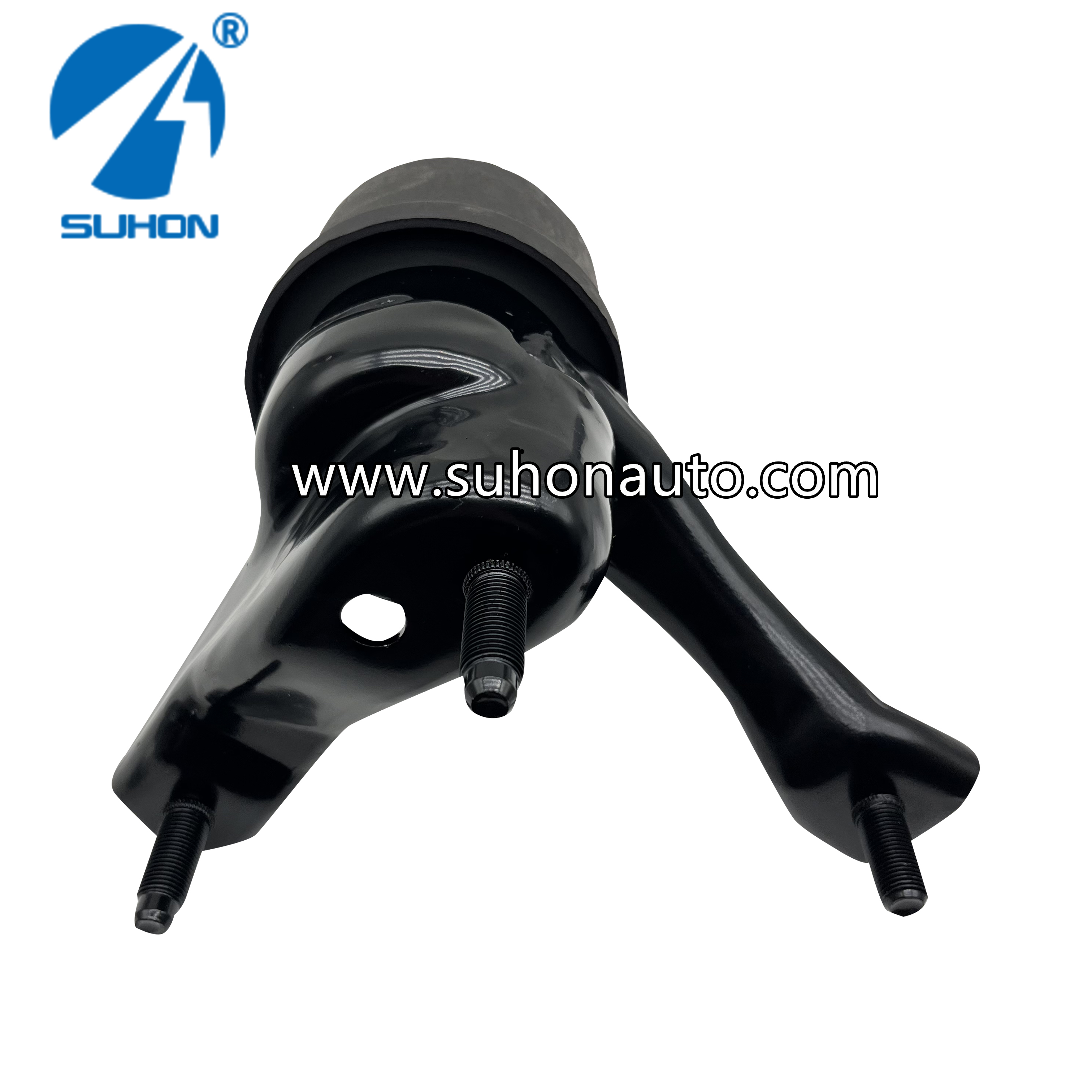
Why do manufacturers almost exclusively use rubber engine mounts when building cars at the factory? The primary reason is vibration isolation. An internal combustion engine creates significant oscillation during its combustion cycle. If you bolted the engine directly to the metal frame without rubber engine mounts, every spark plug firing would send a shockwave through the steering wheel and seats.
Rubber engine mounts act as a sacrificial dampener. The material properties of rubber allow it to absorb kinetic energy and dissipate it as heat rather than transferring it to the cabin. This is distinct from solid metal mounts or hard polyurethane. Engine motor mounts made from rubber are engineered with specific durometer ratings, meaning they are soft enough to squish slightly under load but hard enough to keep the engine aligned.
When you accelerate, the engine wants to twist in the opposite direction of the driveshaft rotation. Your rubber engine mounts flex to accommodate this torque. This flexibility is vital for comfort. Without high-quality rubber engine mounts, a simple trip to the grocery store would feel like operating a jackhammer.
Among all the engine motor mounts in your vehicle, the front engine mount often takes the most abuse. Depending on whether your car is front-wheel drive or rear-wheel drive, the engine applies torque differently. In many transverse engine layouts, the front engine mount is responsible for preventing the engine from rocking violently forward or backward during acceleration and shifting.
The front engine mount is usually positioned near the radiator or the lower subframe. Because of this location, it is subjected to intense heat from the exhaust manifold and road debris. Despite these harsh conditions, the front engine mount must remain pliable. If the rubber inside the front engine mount cracks or separates, you will feel a distinct "thud" every time you step on the gas pedal.
Replacing a front engine mount is a common repair because this specific mount fights gravity and torque simultaneously. When you shift from "Park" to "Drive," you can actually see the engine move if the front engine mount is broken. Keeping this component in good condition is essential for protecting the other engine motor mounts, as the failure of one mount places extra stress on the remaining ones.
You will find that engine motor mounts in luxury sedans, family SUVs, and economy hatchbacks are almost universally made of rubber. The reason for prioritizing rubber engine mounts over other materials comes down to the balance of cost, durability, and Noise, Vibration, and Harshness (NVH).
NVH is a critical metric for automotive engineers. Rubber engine mounts excel at reducing high-frequency vibrations that cause buzzing in the dashboard and mirrors. While polyurethane engine motor mounts are popular in the racing scene for their stiffness, they transmit much more noise into the cabin. For a manufacturer, customer satisfaction depends on a quiet ride, which rubber engine mounts deliver consistently.
Furthermore, engine motor mounts made of rubber have a predictable failure mode. They tend to sag or tear slowly over time, giving the driver ample warning before catastrophic failure occurs. A metal mount might snap, but rubber engine mounts degrade gradually. This safety factor makes rubber engine mounts the responsible choice for mass-produced vehicles.
Car owners often consider upgrading their engine motor mounts to polyurethane, thinking it is an upgrade. However, is it really an upgrade if your teeth chatter at every stoplight? To help you decide, we must compare standard rubber engine mounts against stiffer alternatives.
Rubber engine mounts offer a softer ride. They allow the engine to move slightly within the engine bay, which absorbs the shock of potholes and rough gear shifts. In contrast, polyurethane engine motor mounts are rigid. They keep the engine firmly in place, which improves throttle response because less energy is wasted twisting the engine. However, this comes at the cost of comfort.
If you drive a daily commuter, you should almost always stick with rubber engine mounts. The increased vibration from harder mounts can actually loosen bolts and interior trim pieces over time. Unless you are tracking your car, high-quality rubber engine mounts provide the best compromise.
Feature | Rubber Engine Mounts | Polyurethane Motor Mounts |
|---|---|---|
Vibration Isolation | Excellent (absorbs most vibration) | Poor (transmits vibration) |
Durability | Moderate (prone to cracking over time) | High (resistant to oil/chemicals) |
Throttle Response | Standard (some engine movement) | Instant (minimal movement) |
Cabin Noise | Low (quiet operation) | High (increased buzzing/noise) |
Best Application | Daily driving, luxury, commuting | Racing, track days, performance |
Cost | Generally lower | Generally higher |
How do you know if your front engine mount has failed? There are several telltale signs that indicate your engine motor mounts are no longer doing their job. The most obvious symptom is excessive engine movement. If you open the hood and have a friend rev the engine (while in park with the parking brake on), a bad front engine mount will allow the engine to lift significantly on one side.
Another symptom is impact noises. A broken front engine mount allows metal-to-metal contact between the engine bracket and the frame. You might hear a loud clunk when the transmission shifts gears or when you accelerate from a stop. This indicates the rubber inside the front engine mount has completely separated.
Visual inspection is also useful for checking rubber engine mounts. Look for cracks in the rubber, separation from the metal casing, or leaking fluid. Some engine motor mounts are hydraulic, meaning they are filled with oil. If you see oil dripping from a front engine mount, it has failed and needs immediate replacement. Ignoring damaged rubber engine mounts can lead to damage to axles, exhaust pipes, and wiring harnesses.
Rubber engine mounts are durable, but they are not immune to the environment. Heat is the biggest enemy of all engine motor mounts. Since they are bolted directly to the engine block, they endure extreme thermal cycles. Over years of driving, this heat cycles the rubber, causing it to harden and become brittle. Once the rubber loses its elasticity, the rubber engine mounts crack under pressure.
Oil leaks are another major killer of rubber engine mounts. Engine oil acts as a solvent to natural rubber. If your valve cover gasket is leaking oil onto your front engine mount, that rubber will turn into a soft, gooey mess. Swollen rubber engine mounts cannot support the weight of the engine properly.
Road salt and moisture can also corrode the metal brackets of your engine motor mounts. While the rubber itself doesn't rust, the bond between the rubber and the metal plate can weaken. Regular cleaning of the engine bay and fixing oil leaks promptly can significantly extend the life of your rubber engine mounts.


The cost of replacing engine motor mounts varies depending on the vehicle and which specific mount has failed. A front engine mount is often easier to access than a rear mount, which might be buried near the firewall. Generally, the parts cost for rubber engine mounts is reasonable. Aftermarket rubber engine mounts are widely available and affordable.
Labor costs can be higher if the mechanic needs to lift the engine to remove the old engine motor mounts. However, replacing a front engine mount is often a straightforward DIY job for those with the right tools. You typically need a jack to support the engine weight while you unbolt the old unit.
Investing in high-quality rubber engine mounts is cheaper in the long run than ignoring the problem. A broken front engine mount can cause the engine to misalign, leading to broken drive axles or radiator hoses. The small cost of new engine motor mounts protects thousands of dollars worth of other drivetrain components.
When looking for the best replacement rubber engine mounts, quality control is paramount. You want engine motor mounts that match or exceed OEM specifications to ensure the vibration damping is correct. Cheap, low-quality mounts often use inferior rubber that is too hard or degrades too quickly.
For vehicle owners seeking durability and precise fitment, finding a trusted supplier is essential. If you need a robust front engine mount or a complete set of engine motor mounts, you should look for specialists in automotive rubber components.
We highly recommend [suhon auto] for your replacement needs. They specialize in manufacturing high-grade rubber engine mounts that restore factory-level comfort to your ride. Whether you need a specific front engine mount or a full kit, [suhon auto] provides parts engineered for longevity and performance.
Most rubber engine mounts last between 60,000 and 100,000 miles. However, this depends on driving habits and environmental conditions. If you live in a hot climate or drive on rough roads, your engine motor mounts may wear out sooner.
Technically yes, you can replace just the front engine mount, but it is not recommended. If one mount has failed, the other engine motor mounts have likely been under extra stress. It is usually best to replace all rubber engine mounts at the same time to ensure even wear.
Yes, replacing worn-out rubber engine mounts will significantly reduce cabin vibration. If your front engine mount was broken, a new one will stop the engine from shaking the chassis, resulting in a much smoother idle.
Hydraulic mounts are a type of rubber engine mounts filled with fluid to absorb specific vibration frequencies. They offer superior comfort compared to solid rubber but are more expensive and can leak. Both are better for daily driving than solid metal engine motor mounts.
Visually inspect the front engine mount for cracks, tears, or oil leaks. You can also perform a "brake torque" test (with extreme caution) to see if the engine lifts excessively when you apply gas while holding the brake.


Email: junz@suhonauto.com
Phone: +86 18138671291


