


Views: 0 Author: Site Editor Publish Time: 2026-10-21 Origin: Site


Every engine in a modern vehicle sits on a set of rubber-and-metal mounts that do more work than most drivers realize. These small components absorb torque, dampen vibration, and keep the engine from shifting around the engine bay every time you accelerate, brake, or hit a bump. When they fail, the symptoms rarely show up as a single dramatic event. Instead, they creep in: a slight shudder at idle, a clunk when shifting into gear, a vibration that travels through the steering wheel on the highway.
Catching these warning signs early can save drivers from more expensive repairs down the road. A mount that's left to deteriorate doesn't just make for an uncomfortable ride — it can place extra strain on the transmission, exhaust system, and even the engine itself as it shifts out of its intended position. Understanding what to look and listen for is the first step toward addressing the problem before it escalates.
This post breaks down the most common warning signs of failing mounts, explains why they happen, and walks through what replacement typically involves. Along the way, we'll also touch on how sourcing a quality replacement part, rather than a generic one, makes a real difference in how long the repair lasts.
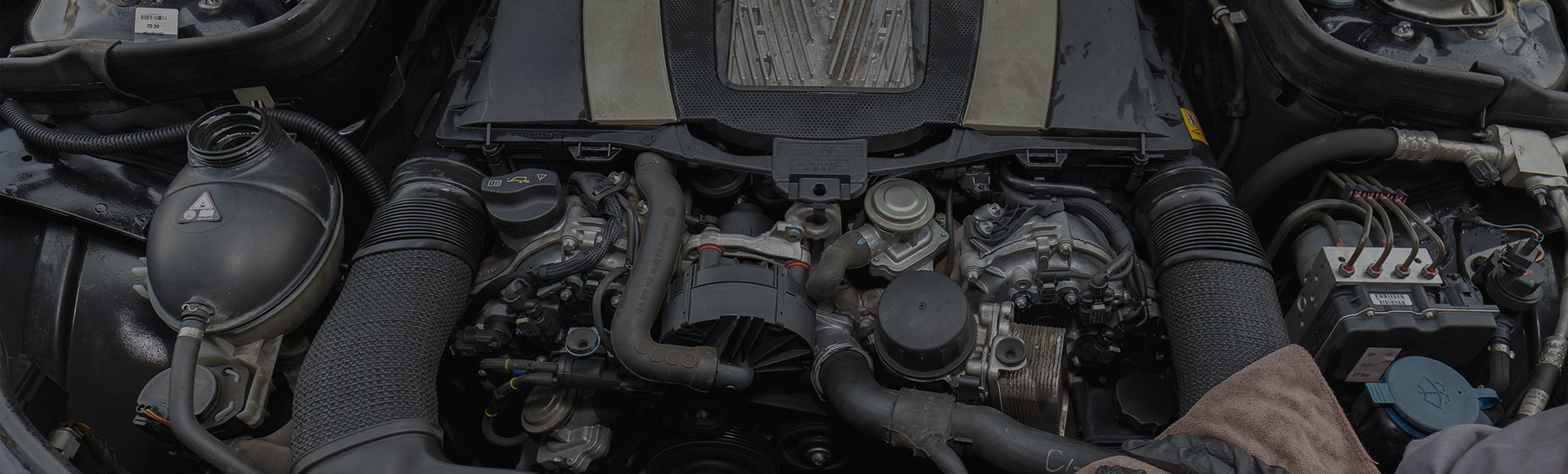
Motor mounts are built from rubber bonded to metal brackets, and rubber degrades with time regardless of how carefully a vehicle is driven. Heat from the engine bay, exposure to oil and road grime, and the constant stress of torque and vibration all accelerate the breakdown of the rubber compound. Over years of driving, that rubber can crack, separate from the metal casing, or lose its elasticity altogether.
Aggressive driving habits, frequent short trips that never let the engine fully warm up, and towing heavier loads than a vehicle is rated for can all shorten a mount's lifespan considerably. Climate plays a role too — vehicles operating in extreme heat or cold tend to see mounts wear out sooner than those in more temperate regions.
The symptoms of worn motor mounts often start subtly and build gradually, which is part of why they're so commonly ignored until the problem becomes severe. Drivers typically notice one or more of the following:
Excessive vibration at idle: A healthy mount absorbs most of the engine's natural vibration. When it fails, that vibration transfers directly into the cabin, often felt through the seat, steering wheel, or floorboard.
Clunking or banging noises during acceleration or gear changes: This happens when the engine has enough play to physically strike nearby components, like the frame or other mounts.
Visible engine movement: Popping the hood and watching the engine while a helper revs it can reveal excessive rocking or shifting that shouldn't occur with mounts in good condition.
Increased cabin noise: Without proper cushioning, more mechanical noise reaches the interior, especially at higher RPMs.
Uneven idle or misfire-like symptoms: In some cases, a badly degraded mount can throw off alignment with sensors or nearby components, mimicking other engine issues.
These symptoms of bad motor mounts can also overlap with other mechanical issues, which is why a proper inspection matters before assuming a mount is the culprit. A mechanic will typically perform a visual check alongside the "rev test," where the engine is revved in gear with the brake applied to observe how much it shifts.
Motor mounts rarely fail all at once. The deterioration tends to follow a pattern, and understanding where a vehicle sits in that pattern helps determine how urgently a repair is needed.
Stage | Typical Symptoms | Risk Level |
|---|---|---|
Early wear | Slight vibration at idle, barely noticeable | Low |
Moderate wear | Clunking on acceleration, more noticeable cabin vibration | Medium |
Advanced wear | Visible engine movement, rattling over bumps | High |
Severe failure | Engine shifts significantly, possible contact with other parts | Critical |
Choose immediate replacement if a vehicle has reached the advanced or critical stage, since continued driving at that point risks damage to surrounding components like the exhaust system, radiator hoses, or belts. Choose a scheduled replacement during routine maintenance if symptoms are still mild, as this allows time to source the right part without the pressure of an emergency repair.
Replacing a motor mount isn't usually a simple bolt-on job, since the engine needs to be supported and slightly lifted to relieve pressure on the mount being replaced. A technician will typically use a jack or engine support bar to hold the engine steady, remove the bolts securing the old mount, and install the replacement before carefully lowering the engine back into position.
The complexity of engine motor mounts replacement depends heavily on vehicle layout. Transverse-mounted engines in many front-wheel-drive vehicles can be more accessible, while some longitudinal engine layouts require additional disassembly to reach certain mounts. Labor time, and therefore cost, varies accordingly.
One detail that matters more than many drivers realize is the quality of the replacement part itself. A mount made from a lower-grade rubber compound may look identical to an OE part but wear out again within a year or two, especially in demanding climates or driving conditions.
This is where sourcing matters. Kaiping Suhong Auto Parts Co., Ltd., operating under the SUHON and DIDN brands, has specialized in engine mount manufacturing since 1995 and holds ISO9001 certification for its quality management systems. The company's engine mounts are built using proprietary rubber formulations developed from Thailand RSS3 and Vietnam SVR3L raw rubber, chosen specifically for their resistance to heat, aging, oil exposure, and general wear.
Every compound used in SUHON products goes through professional in-house laboratory testing against OE standards before it reaches production, which is part of why the brand has built a reputation with both domestic and international customers across more than two decades in the industry. The company manufactures mounts for a wide range of vehicle platforms, including Toyota, Honda, Nissan, Mazda, Ford, Subaru, Renault, Mercedes-Benz, and BMW applications, giving repair shops and parts buyers a consistent source for OE-fit replacements rather than inconsistent aftermarket alternatives.
For a repair that's meant to last, the part going into the vehicle matters just as much as the installation process itself.
A vibration at idle or a clunk when shifting into gear is easy to dismiss, especially when a vehicle still seems to run fine overall. But motor mounts don't repair themselves, and the gap between early wear and severe failure can close faster than expected under regular driving conditions. Catching the signs early, understanding the stages of wear, and choosing a replacement part built to OE-standard specifications are the three steps that make the biggest difference in how long a repair actually holds up.
Drivers who notice unusual vibration, movement, or noise from the engine bay should have the mounts inspected sooner rather than later. A quick check now can prevent a cascade of damage to surrounding components — and a quality replacement part means that check doesn't need to be repeated again next year.


