


Views: 0 Author: Site Editor Publish Time: 2026-05-11 Origin: Site


The internal combustion engine is a marvel of engineering, but it is also a source of intense vibration and kinetic energy. To prevent these forces from rattling the chassis and disturbing the passengers, every vehicle relies on a sophisticated isolation system. At the heart of this system is the engine mount, a component designed to secure the powertrain while absorbing the oscillations produced during combustion and gear shifts.
A high-quality mounting solution does more than just provide a quiet cabin; it protects sensitive engine components from excessive movement, ensuring that the torque produced by the engine is efficiently transferred to the drivetrain rather than being lost to parasitic vibrations.


While the rubber or hydraulic dampener is the most recognized part of the assembly, the structural integrity of the system depends on its connection points. The engine mount bracket serves as the rigid interface between the engine block and the dampening unit. This bracket must be engineered with extreme precision to withstand constant thermal cycles and the immense weight of the powertrain.
If a bracket develops hairline cracks or bends due to metal fatigue, the entire engine can shift out of its optimal alignment. This misalignment often leads to secondary issues, such as premature wear on CV joints, cooling hoses, and exhaust manifolds. Therefore, when inspecting the mounting system, professionals always look beyond the rubber inserts to ensure the supporting metalwork remains structurally sound.
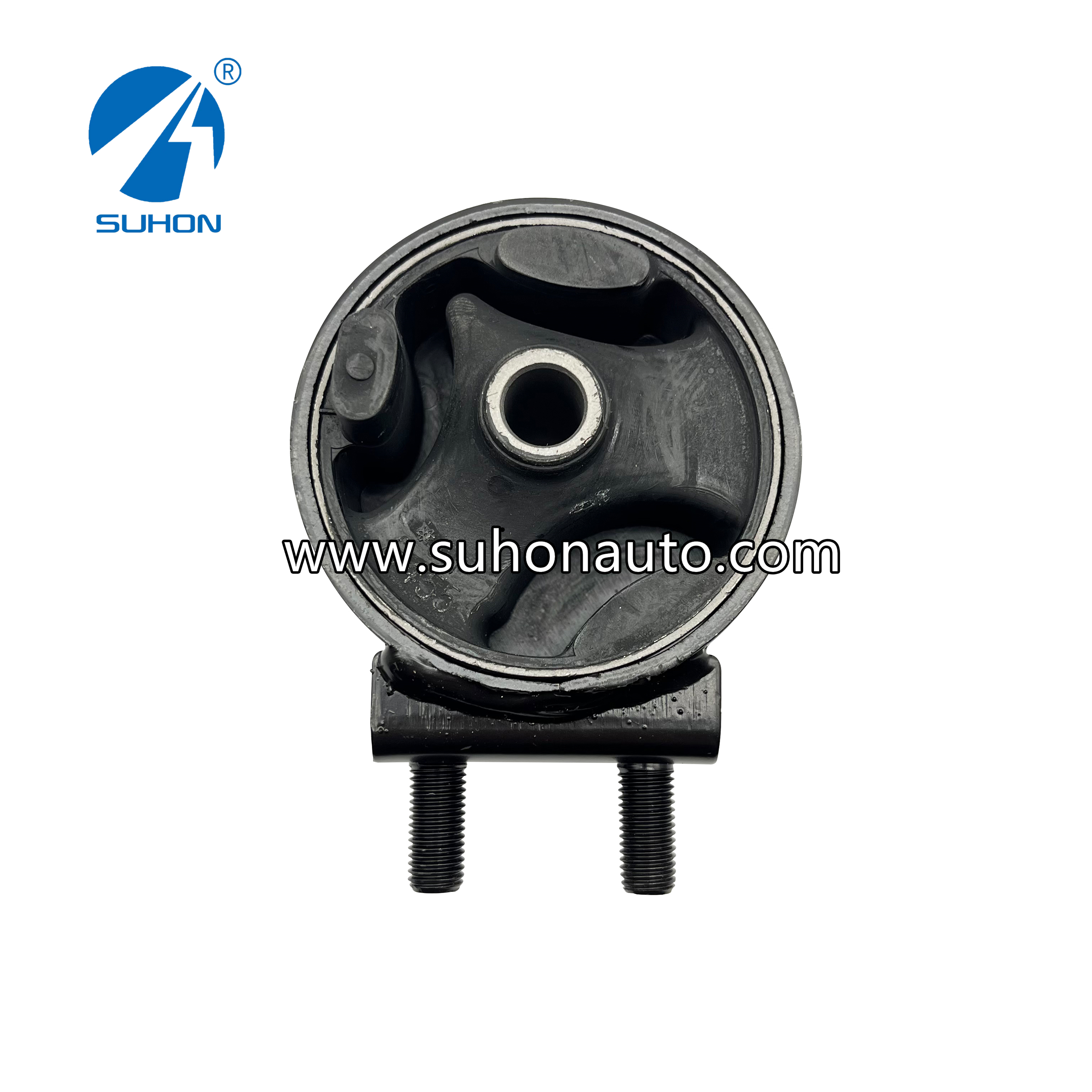
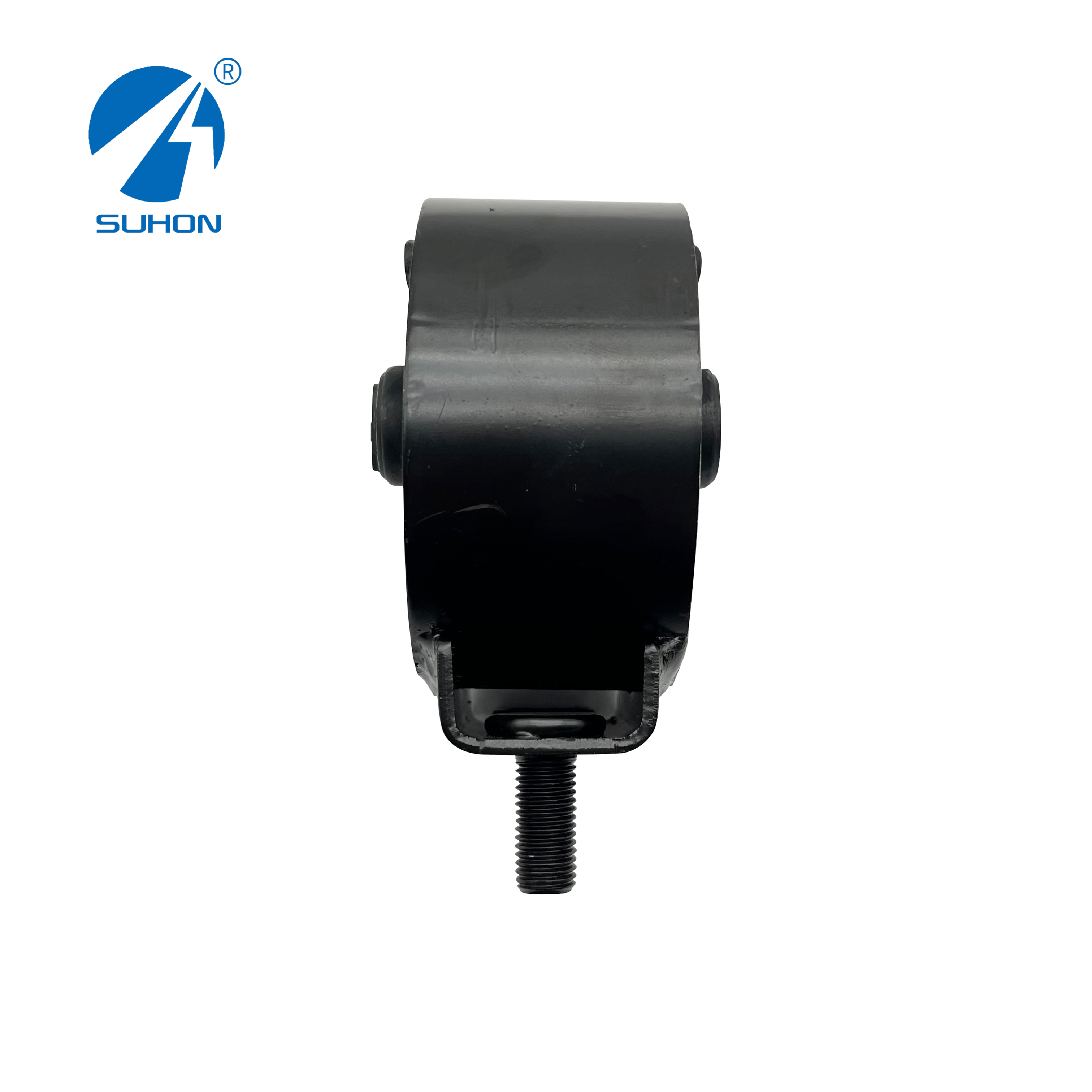
To help automotive professionals and vehicle owners choose the right replacement parts, the following table compares the most common mounting technologies used in modern vehicles.
| Mount Category | Damping Material | Primary Advantage | Common Application |
| Solid Rubber | High-density Rubber | Exceptional durability and cost-effectiveness | Standard passenger cars, trucks |
| Hydraulic (Hydro) | Glycol-filled Chambers | Superior vibration isolation at idle | Luxury sedans, Diesel engines |
| Active/Electronic | Vacuum or Solenoid | Real-time damping adjustment | High-performance / V6 & V8 engines |
| Polyurethane | Advanced Polymer | Maximum rigidity and torque transfer | Racing and heavy-duty towing |
Even the most advanced mounting system is only as reliable as the hardware that holds it in place. During a replacement or a major engine overhaul, the engine mount bolts are often the most overlooked components. These fasteners are typically "torque-to-yield" (stretch) bolts, meaning they are designed to be used only once.
Using worn or incorrect fasteners can lead to catastrophic failure. If a bolt loosens due to engine vibrations, the resulting movement can shear the bracket or cause the engine to drop onto the subframe. When sourcing parts from Suhon Auto, ensuring that you have high-tensile, corrosion-resistant bolts is just as important as selecting the mount itself. Proper torque specifications must be followed to ensure the fasteners maintain their clamping force under the extreme conditions of the engine bay.
Identifying a worn-out mount early can save thousands in repair costs. Drivers should stay alert for the following symptoms:
Excessive Cabin Vibration: Especially noticeable when the vehicle is idling at a stoplight or when the air conditioning compressor kicks in.
Drivetrain "Clunking": A distinct metallic thud heard when shifting from Park to Drive, or during heavy acceleration and braking.
Engine Shaking: Visible movement of the engine block when the hood is open and the throttle is blipped.
Misaligned Components: If the engine sits noticeably lower on one side, it indicates a collapsed hydraulic or rubber mount.
The engine mount is the silent guardian of your vehicle's mechanical harmony. From the structural reliability provided by the engine mount bracket to the critical clamping force of high-quality engine mount bolts, every part of this assembly must function in unison. By choosing premium replacement parts that meet OEM standards, you ensure that your vehicle remains quiet, comfortable, and—most importantly—mechanically secure for the road ahead.


