


Views: 0 Author: Site Editor Publish Time: 2026-03-13 Origin: Site


Your vehicle operates through a complex system of moving parts, with the powerplant generating significant kinetic energy. To manage this force, a high-quality engine mounting setup is absolutely essential. Proper engine mounting ensures that the vibrations generated by internal combustion or electric motors do not transfer into the cabin. This guide explores the technical functions of these components, the specific mechanics of rubber engine mounts, plus the exact signs indicating it is time to change engine mounts.
An engine mounting serves as the primary structural bridge connecting your vehicle's frame to its motor. Without proper engine mounting, the chassis would suffer from intense mechanical stress. The primary function of engine mounting is dual-purpose: securing the powerplant firmly in place while isolating the structural frame from extreme vibrational forces.
Engine mounting technology has evolved, but the core objective remains the same. A vehicle typically utilizes three to four engine mounting brackets. Each engine mounting point experiences different load vectors during acceleration, braking, plus cornering. Therefore, automotive engineers position each engine mounting carefully to optimize load distribution.

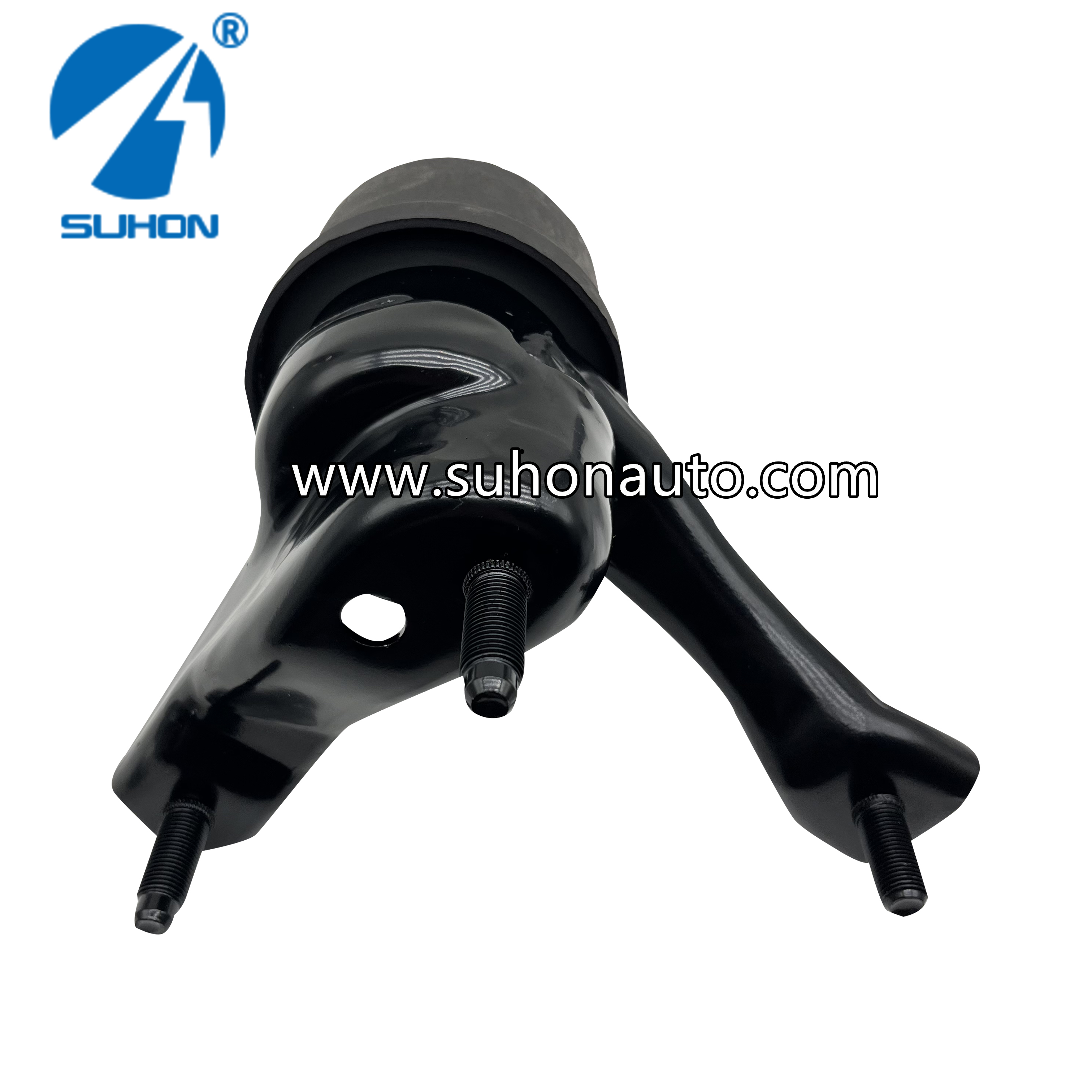
When exploring how to isolate vibration, rubber engine mounts remain the industry standard. Rubber engine mounts utilize elastomeric materials designed to absorb kinetic energy. As pistons fire, the block shakes violently. Rubber engine mounts act as a mechanical cushion.
The elastomer within rubber engine mounts transforms kinetic energy into minimal thermal energy, effectively dissipating the force. Because rubber engine mounts flex under torque, they prevent rigid metal-to-metal contact. Quality rubber engine mounts feature specifically calibrated durometer ratings. A softer durometer in rubber engine mounts provides excellent vibration isolation but allows more movement. Conversely, stiffer rubber engine mounts restrict movement but transfer more vibration. Finding the perfect balance in rubber engine mounts is critical for passenger comfort.
While rubber engine mounts dominate the market, other materials exist. Below is a detailed comparison of various engine mounting technologies to help you understand your vehicle's requirements before you decide to change engine mounts.
Mounting Type | Primary Material | Vibration Isolation | Structural Rigidity | Ideal Application |
|---|---|---|---|---|
Rubber Engine Mounts | Elastomer compound | Excellent | Moderate | Standard passenger vehicles, daily commuters |
Hydraulic Mounts | Fluid-filled rubber | Superior | Moderate | Luxury vehicles requiring maximum smoothness |
Polyurethane Mounts | Synthetic polymer | Fair | High | Performance vehicles, sports cars |
Solid Mounts | Steel or Aluminum | Poor | Maximum | Dedicated track vehicles, heavy industrial machines |
Components degrade over time. Knowing precisely when to change engine mounts prevents secondary damage to exhaust systems, coolant lines, or transmissions. As the elastomeric material in an engine mounting degrades, symptoms become highly noticeable.
Visual inspection is a highly effective way to determine if you need to change engine mounts. If you inspect your engine mounting brackets and notice severe cracking or tearing in the rubber, structural failure has begun. Furthermore, if you see fluid leaking from a hydraulic engine mounting, you must change engine mounts immediately.
The most obvious sign that you must change engine mounts is excessive cabin vibration. When rubber engine mounts collapse, they lose their isolation properties. If the steering wheel shakes violently at idle, it is a strong indicator to change engine mounts. Deciding to change engine mounts promptly restores the smooth idle you expect.
When rubber engine mounts fail completely, the motor moves excessively. This results in heavy clunking noises during acceleration. If you hear metal striking metal, do not wait; change engine mounts as soon as possible. Delaying the decision to change engine mounts under these conditions stresses the transmission bell housing.


The procedure to change engine mounts requires precision, patience, plus proper safety equipment. It is highly recommended to follow factory service manuals when you change engine mounts to ensure exact torque specifications are met.
To change engine mounts safely, mechanics first support the oil pan using a hydraulic jack with a specialized wood buffer. This relieves weight from the engine mounting bracket. Once supported, technicians remove the through-bolts securing the engine mounting to the subframe.
When you change engine mounts, replacing them in sets is often the most polite advice a technician can offer. If one engine mounting fails, the remaining rubber engine mounts likely suffered excessive stress. Installing new rubber engine mounts restores the original geometric alignment of the drivetrain. Proper alignment prevents premature wear on CV axles, ensuring your new engine mounting system functions perfectly for years.
Choosing premium components guarantees longevity. When you decide to change engine mounts, selecting superior rubber engine mounts ensures maximum vibration absorption. An inferior engine mounting may feature cheap elastomers that harden rapidly under under-hood temperatures. For reliable, high-grade replacements, we highly recommend suhon auto for your next component upgrade.
A standard engine mounting usually lasts between 60,000 to 100,000 miles. However, aggressive driving styles can degrade rubber engine mounts much faster.
The difficulty to change engine mounts varies by vehicle. Some front-wheel-drive configurations require extensive disassembly to access a specific engine mounting, making professional installation advisable.
Yes, you can change engine mounts to a stiffer material like polyurethane. However, keep in mind that while structural rigidity increases, polyurethane transmits more vibration into the cabin compared to traditional rubber engine mounts.
Oil leaks are a major enemy of rubber engine mounts. Motor oil degrades the elastomer in an engine mounting rapidly. Fixing fluid leaks before you change engine mounts ensures the new components survive.


Email: junz@suhonauto.com
Phone: +86-18138671291


