


Views: 0 Author: Site Editor Publish Time: 2026-08-14 Origin: Site


TL;DR:
Engine mounts secure the engine to the vehicle frame and absorb vibration. The main engine mount types include rubber, hydraulic, active/electronic, and polyurethane mounts. Each suits different driving needs and vehicle applications. Choosing the right type—and knowing when to replace it—directly affects ride quality, engine performance, and long-term vehicle health.
Every time you start your car, a small but critical component is quietly doing its job: holding your engine in place while absorbing thousands of tiny vibrations before they ever reach the cabin. That component is the engine mount. Most drivers never think about it—until something goes wrong.
A failing mount produces symptoms that are hard to ignore: excessive engine vibration, clunking sounds during acceleration, or a noticeable shimmy when idling. At that point, understanding the different types of engine mounts becomes more than just academic curiosity. It becomes a practical decision with real consequences for your vehicle's performance and your wallet.
This guide breaks down the main engine mount types, explains what each one does, and helps you figure out when it's time to act.
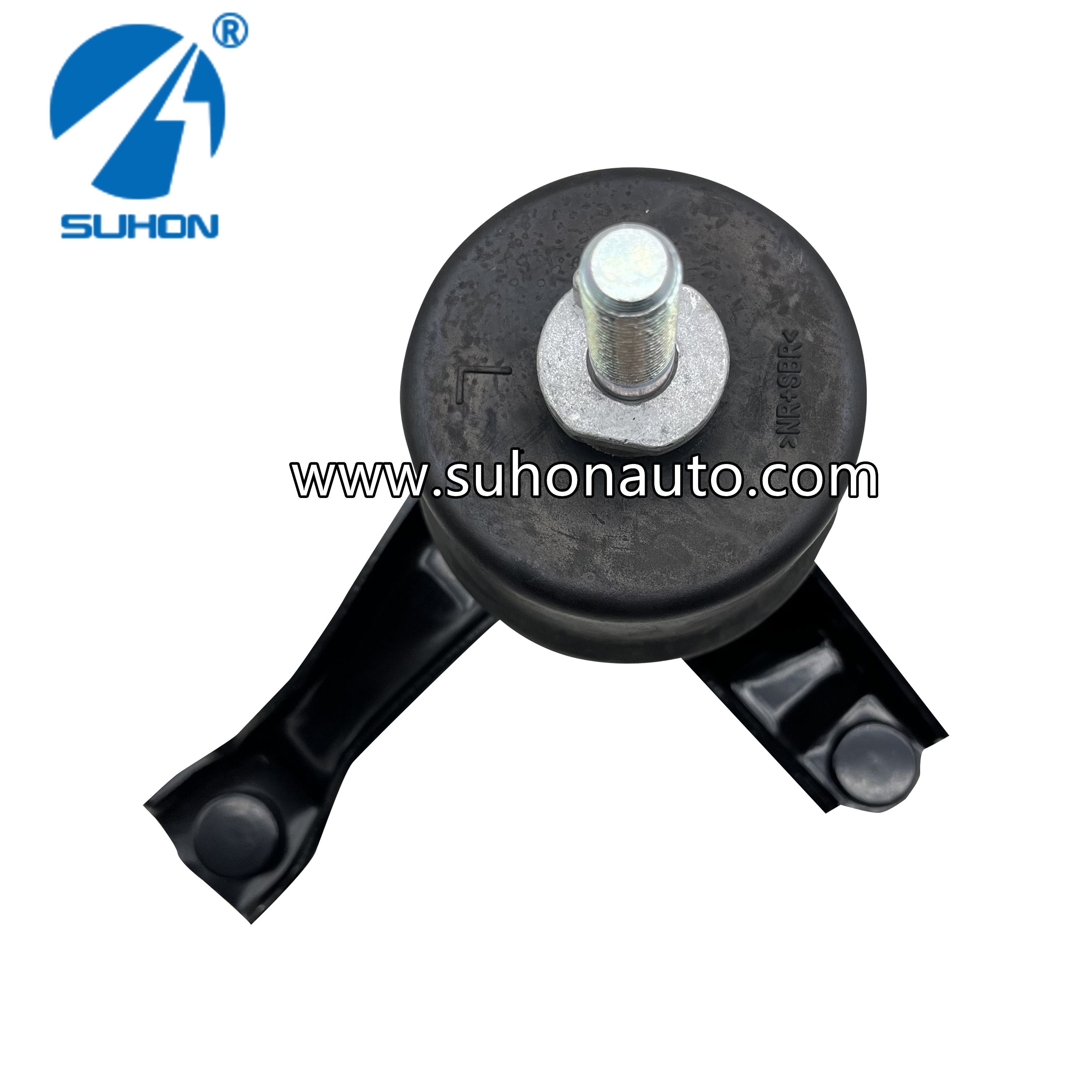
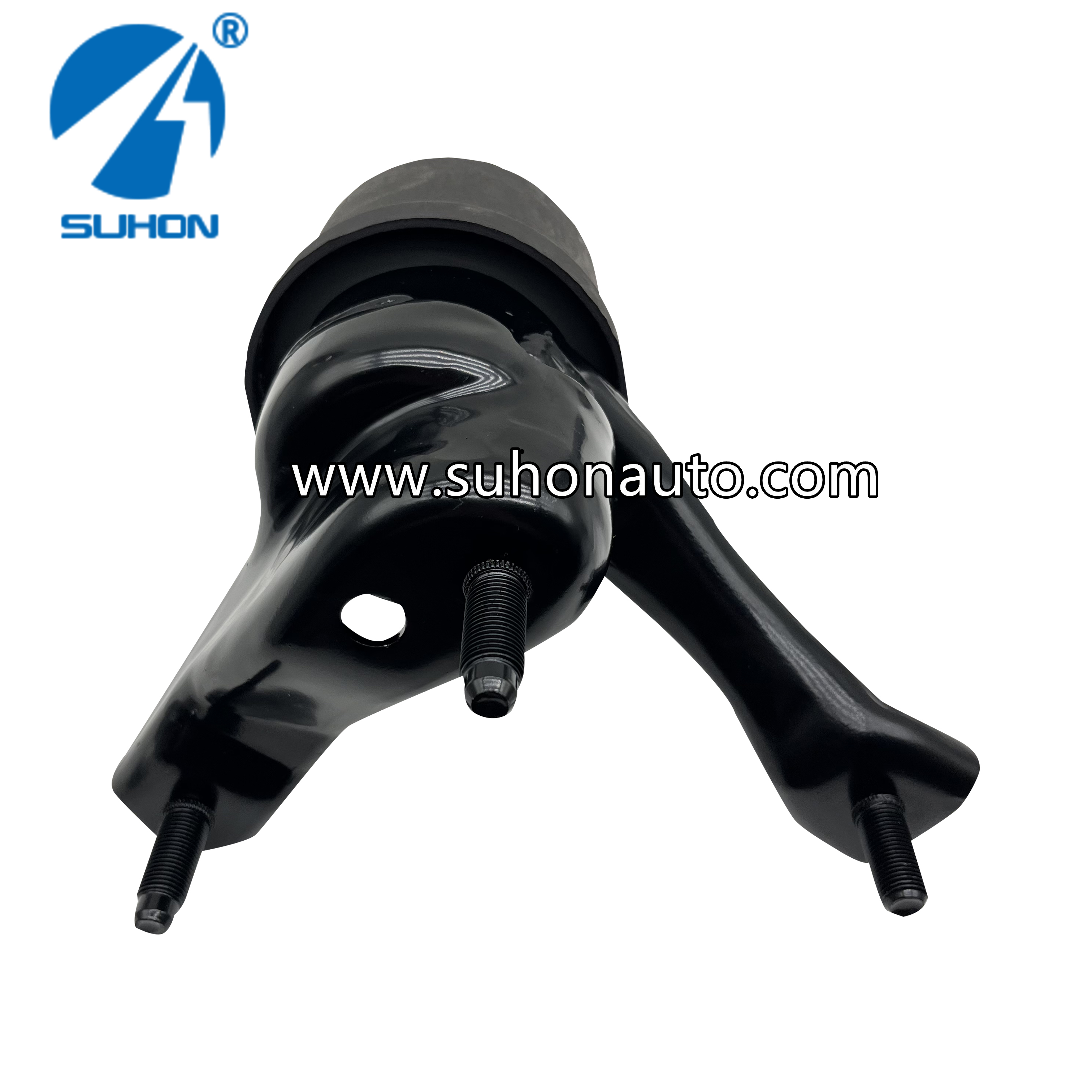
An engine mount has two jobs: support the engine's weight and isolate vibration. The engine produces enormous amounts of movement—from combustion forces, torque transfer, and general road feedback. Without mounts, that energy would travel straight into the chassis, making the vehicle uncomfortable to drive and potentially damaging surrounding components over time.
Most vehicles use between three and four mounts, positioned strategically around the engine and transmission. Each one handles a specific direction of load, which is why mount failure in one location produces different symptoms than failure in another.
Rubber mounts are the most common type found in passenger vehicles. They consist of a metal bracket bonded to a rubber bushing, which absorbs vibration through the natural flexibility of the material.
Best for: Everyday commuter vehicles, budget-conscious replacements, low- to moderate-performance applications.
Rubber mounts are affordable, widely available, and easy to manufacture to OEM specifications. Their main limitation is durability under extreme heat or heavy engine stress—rubber degrades over time, particularly in high-temperature environments. Cracking, hardening, and separation from the metal bracket are the most common failure modes.
Hydraulic mounts take rubber mounts a step further. They incorporate a fluid-filled chamber—typically glycol or a similar dampening fluid—that absorbs vibration more effectively than rubber alone. When the engine moves, fluid shifts between internal chambers, dissipating energy more smoothly.
Best for: Luxury vehicles, performance sedans, and vehicles where cabin refinement is a priority.
The tradeoff is cost and complexity. Hydraulic mounts are more expensive to produce and more sensitive to failure modes—if the internal seal breaks, the fluid leaks and the mount loses its dampening ability almost immediately.
Active mounts are the most sophisticated option available. They use electronic actuators or electromagnets—controlled by the vehicle's ECU—to counteract engine vibration in real time. The system detects vibration frequency and generates a countering force, effectively canceling out the movement before it transmits to the chassis.
Best for: Modern luxury vehicles and hybrid powertrains where vibration profiles change significantly between operating modes.
These mounts deliver excellent refinement but are expensive to replace and require precise calibration. They are rarely found outside of premium vehicle segments.
Polyurethane (PU) mounts are a popular aftermarket alternative to rubber, particularly among performance and enthusiast drivers. Polyurethane is firmer than rubber, which means less engine movement under hard acceleration—but more vibration transmitted into the cabin.
Best for: Track vehicles, modified street cars, or drivers who prioritize handling precision over ride comfort.
Polyurethane mounts last longer than rubber under mechanical stress, but the increased NVH (noise, vibration, and harshness) makes them unsuitable for daily commuter use.
Mount Type | Material | Vibration Isolation | Durability | Typical Application |
|---|---|---|---|---|
Rubber | Natural/synthetic rubber | Good | Moderate | Passenger cars, light trucks |
Hydraulic | Rubber + fluid chamber | Excellent | Moderate | Luxury and performance vehicles |
Active/Electronic | Rubber + actuator | Superior | High (complex) | Premium, hybrid vehicles |
Polyurethane | Synthetic polymer | Low | High | Performance/track vehicles |
Failed mounts produce recognizable symptoms. Watch for:
Excessive vibration felt through the steering wheel, floor, or seat, especially at idle
Clunking or thudding when accelerating, braking, or shifting gears
Engine movement visible under the hood during acceleration
Misaligned engine or unusual stress on surrounding hoses and brackets
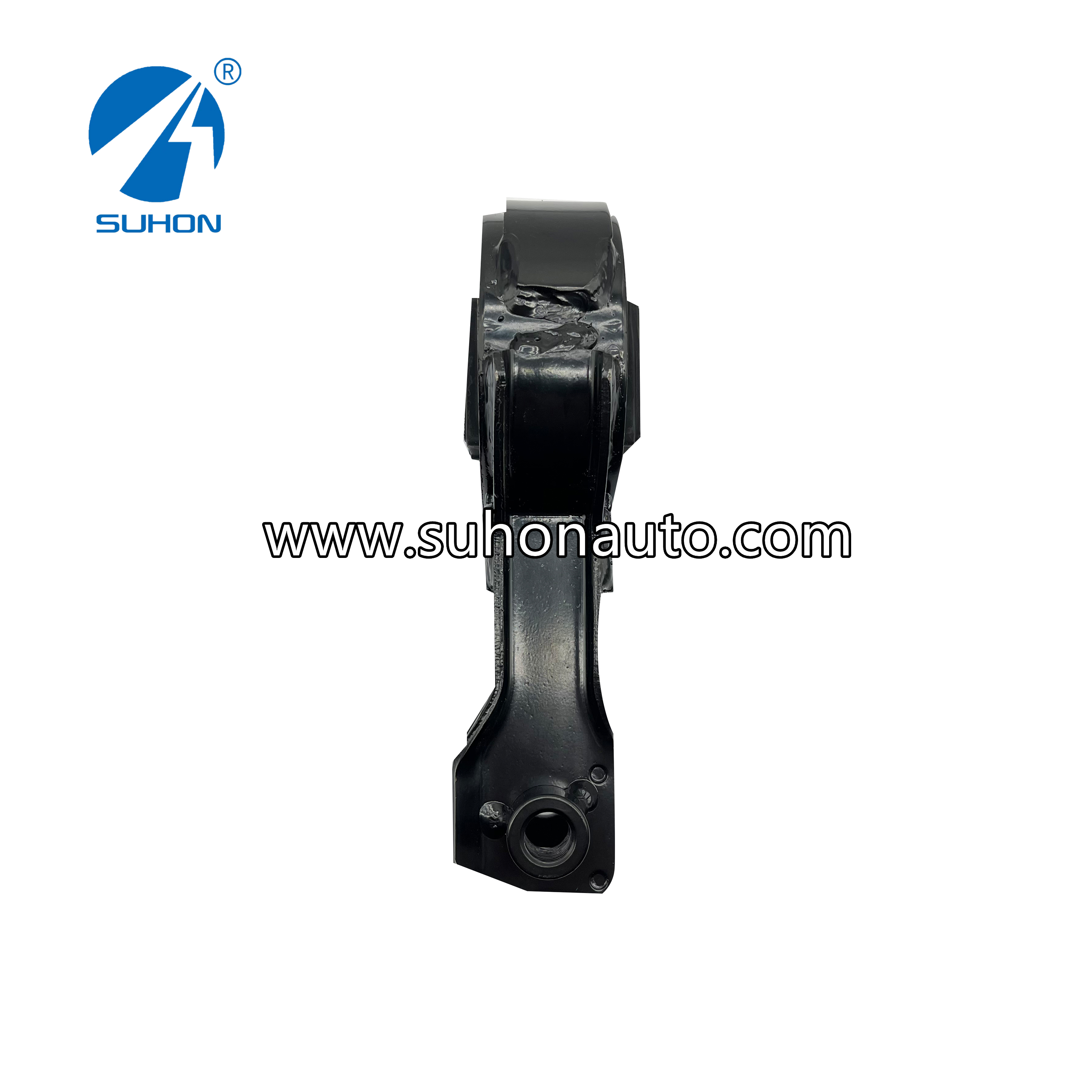
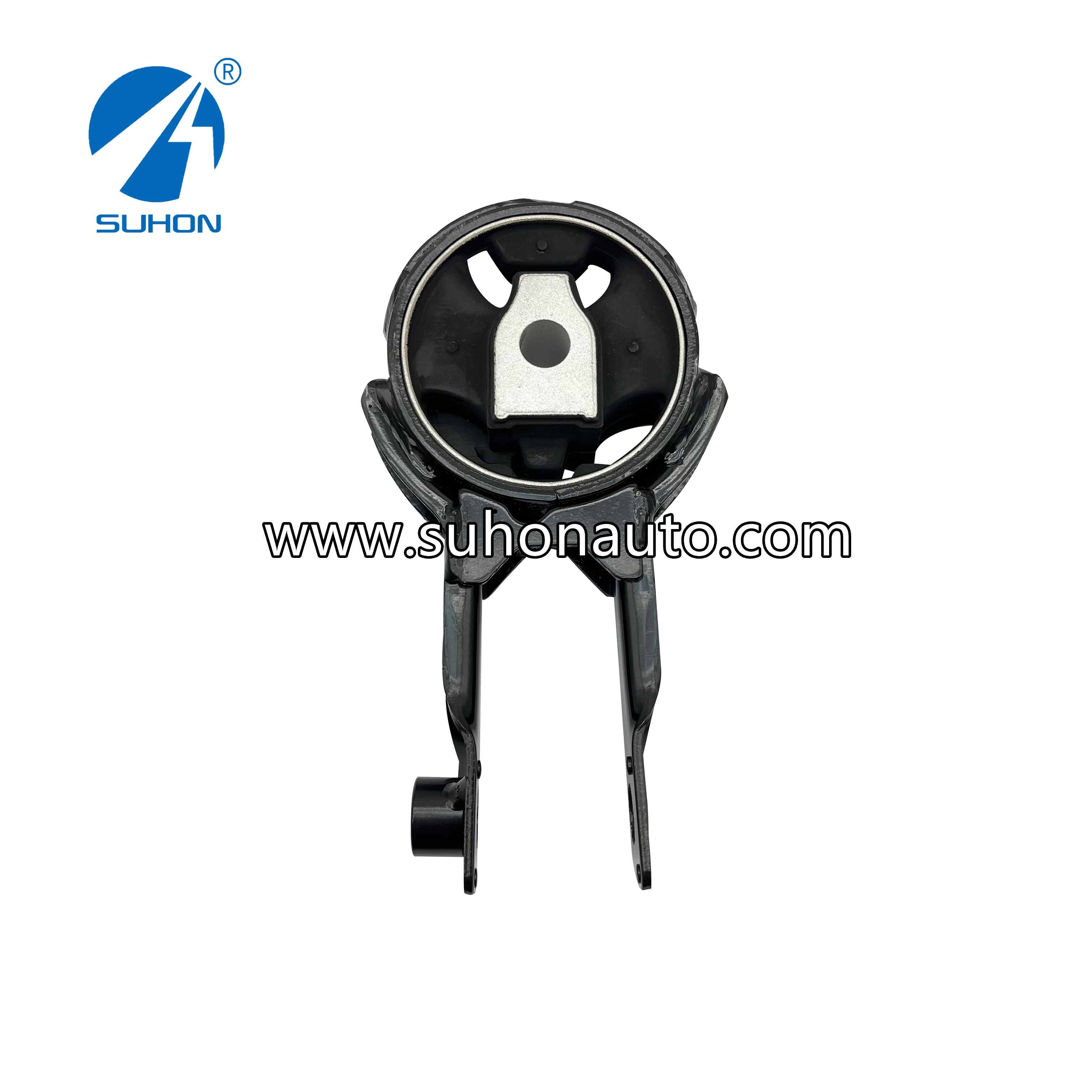
If any of these signs appear, addressing the issue early prevents secondary damage to nearby components. For a detailed walkthrough, refer to this step-by-step guide on how to replace engine mounts, which covers tools, safety steps, and the full process from lift to torque.
Not all engine mounts are manufactured to the same standard. An undersized rubber bushing, incorrect shore hardness, or off-spec bracket dimensions can mean the replacement fails prematurely—or worse, allows excessive engine movement that damages adjacent parts.
Kaiping Suhong Auto Parts Co., Ltd. has been manufacturing engine mounts since 1995, supplying OEM-quality components for Toyota, Honda, Nissan, Mazda, Subaru, BMW, Benz, Renault, and more. The company operates under ISO9001 certification and uses Thailand RSS3 and Vietnam SVR3L rubber—among the most stable raw materials available in automotive rubber manufacturing. Every mount is produced with a controlled rubber formula and tested in a dedicated rubber laboratory before shipment.
For those sourcing a new engine mount for Toyota, Honda, Nissan, or other major brands, Suhong's product catalog covers an extensive range of OE-matched part numbers, giving repair shops and fleet managers a reliable source for verified replacements.
The right mount type depends on three variables: the vehicle's original specification, the driving conditions it faces, and whether refinement or performance matters more to the driver.
For most road vehicles, a rubber or hydraulic mount matching the OEM specification is the right answer—it restores factory ride quality and doesn't introduce unnecessary harshness. For modified or track-focused vehicles, polyurethane offers longevity and reduced engine movement under load. Hydraulic and active mounts should always be replaced with equivalent-spec components, as substituting a simpler type will noticeably degrade ride quality in vehicles engineered around superior dampening.
Engine mounts rarely fail catastrophically without warning. The signs build gradually—more vibration here, a clunk there—until the issue becomes impossible to ignore. Catching that progression early, and selecting the right replacement part, is what separates a minor maintenance job from an expensive repair cascade.
Suhong Auto Parts manufactures high-quality engine mounts across a wide range of vehicle applications, with decades of production experience behind every component. Browse the full product range at suhonauto.com or reach out directly via email at kathy@suhonauto.com.
The four main types are rubber, hydraulic, active/electronic, and polyurethane mounts. Rubber mounts are the most common in standard passenger cars. Hydraulic mounts offer better vibration isolation and are used in premium vehicles. Active mounts use electronic actuators for real-time vibration cancellation. Polyurethane mounts are favored in performance applications for their firmness and durability.
Rubber engine mounts generally last between 60,000 and 100,000 miles, depending on driving conditions, engine load, and environmental factors like heat and oil exposure. Hydraulic mounts have a similar lifespan but can fail sooner if the internal seal leaks. Polyurethane mounts tend to outlast rubber under mechanical stress but vary by brand quality.
Yes. A failed engine mount allows excessive engine movement, which places stress on surrounding components—including exhaust pipes, cooling hoses, CV axles, and transmission linkages. Addressing a failed mount promptly prevents secondary damage that is typically more expensive to repair.
Driving with a severely failed mount is not recommended. The engine can shift enough under load to contact other components or compromise steering and drivetrain connections. Mild mount degradation may be drivable short-term, but the issue should be inspected and repaired promptly.
Prioritize OEM-specification part numbers, verified material quality (rubber hardness, bracket material), and manufacturer certification. ISO9001-certified manufacturers produce mounts to consistent quality standards. Always confirm the replacement matches your vehicle's OE part number to ensure correct fitment and performance.


