


Views: 0 Author: Site Editor Publish Time: 2026-01-13 Origin: Site


Have you ever noticed excessive vibration while sitting at a stoplight or heard a clunking noise when you accelerate? These subtle hints often point to components hidden deep under the hood. While we frequently worry about oil changes and tire rotations, we rarely ask ourselves: how are the engine mounts holding up?
Mounting an engine securely is critical for a smooth ride. These small but mighty parts serve as the bridge between the powerful, vibrating engine and the rigid frame of your car. Without functional auto engine mounts, driving would be a jarring, noisy, and potentially damaging experience. In this guide, we will explore the lifespan of engine mounts, signs of failure, and replacement costs.
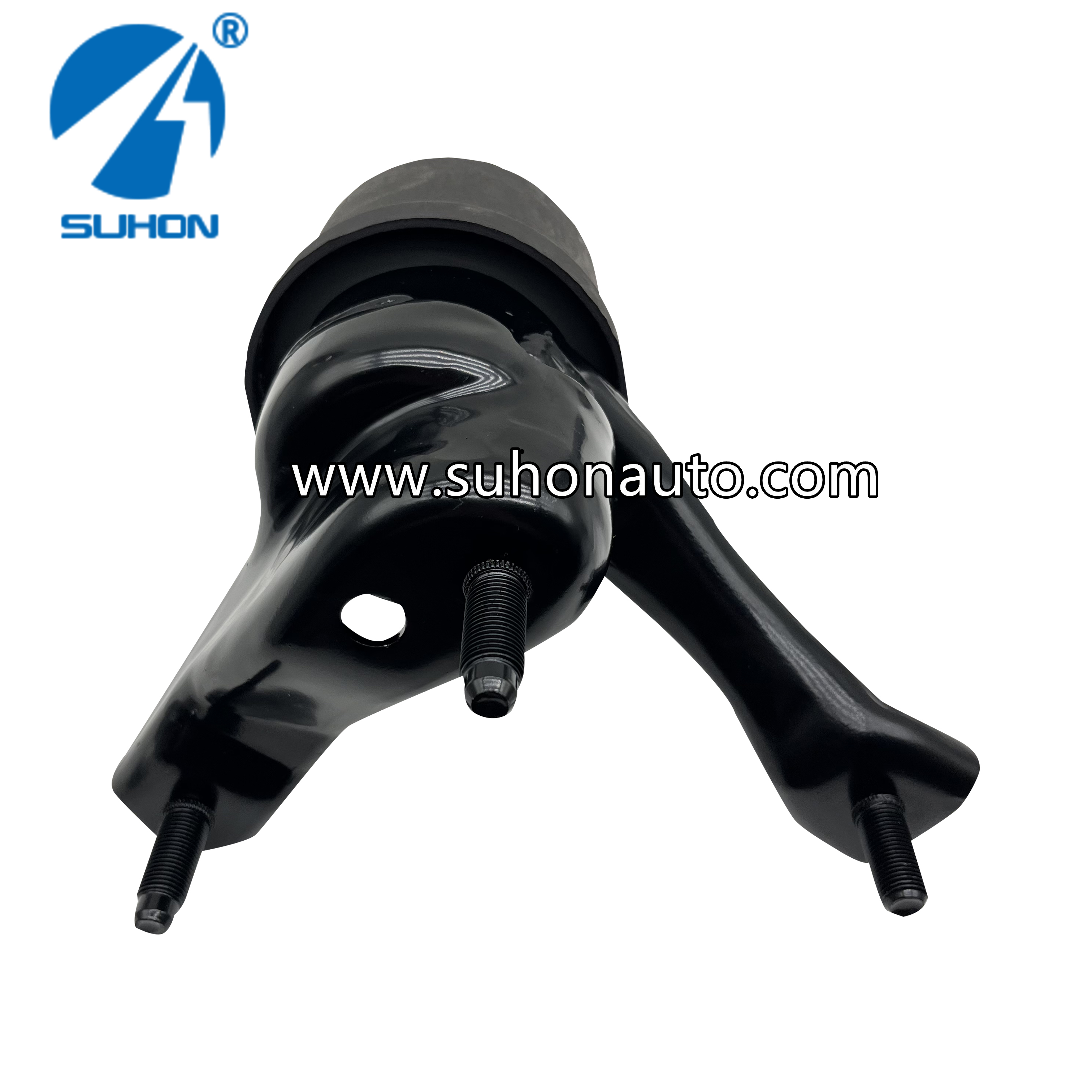
Before discussing lifespan, do you know what role these components play? Engine mounts are essentially the heavy-duty brackets that hold the engine in place. Mounting an engine isn't just about suspension; it is about isolation. Most auto engine mounts feature a metal frame with a rubber or hydraulic bushing in the middle. This design absorbs the violent vibrations produced by the combustion process so that you don't feel them in the cabin.
Why is mounting an engine correctly so important? If the engine were bolted directly to the metal chassis, every explosion inside the cylinders would shake the entire vehicle. Engine mounts dampen this energy. They also keep the engine aligned properly so that the driveshaft and transmission can transfer power to the wheels efficiently.


Is there a set expiration date for auto engine mounts? Generally, engine mounts are designed to last between 50,000 and 100,000 miles. However, this range varies significantly based on vehicle age, driving habits, and material quality. While some engine mounts can survive the entire life of the vehicle, others may fail prematurely.
If you are mounting an engine in a performance vehicle or an older truck, the lifespan might be shorter due to increased torque and stress. Unlike oil or filters, engine mounts do not have a specific service interval in most owner’s manuals. Instead, they are inspected "as needed." However, once a car passes the seven-year mark, the rubber within the auto engine mounts often begins to dry out, crack, or separate from the metal.
Why do some engine mounts fail faster than others? Several variables contribute to the degradation of rubber and hydraulic mounts.
Are you aggressive with the throttle? Excessive revving and hard acceleration put tremendous torque on the engine. When you stomp on the gas, the engine tries to twist in the opposite direction of the driveshaft rotation. The engine mounts must fight this twisting force. Over time, aggressive driving stretches and tears the rubber, shortening the life of auto engine mounts.
Is your engine leaking oil or power steering fluid? Rubber is the primary material used in mounting an engine. Unfortunately, petroleum-based fluids eat away at rubber. If you have a valve cover leak that drips directly onto your engine mounts, the rubber will soften and eventually disintegrate. This is a common cause of premature failure in auto engine mounts.
Do you live in an area with extreme temperature fluctuations? Rubber expands in heat and contracts in cold. Over years of seasonal cycles, the rubber in engine mounts becomes brittle. Dry rot sets in, leading to cracks that compromise the integrity of mounting an engine.
How can you tell if your engine mounts are failing without looking under the hood? Your car will usually communicate the problem through sound and feel.
Do you feel the steering wheel shaking while idling? This is the most common symptom. Since the primary job of auto engine mounts is vibration isolation, a failed mount transmits engine energy directly to the chassis. If the vibration smooths out when you are driving at speed but returns when you stop, your engine mounts are likely the culprit.
Do you hear a loud "thud" when putting the car in Drive or Reverse? When mounting an engine fails, the engine physically shifts or "jumps" when the transmission engages. This movement causes the engine to hit against the frame or other components, creating a distinct clunk. Broken engine mounts allow the engine to move several inches, which is dangerous for other connected hoses and wires.
Does the engine look crooked when you pop the hood? In severe cases of failure, auto engine mounts collapse entirely. This causes one side of the engine to droop. Proper mounting an engine ensures alignment with the transmission; if this alignment is lost, it can lead to severe drivetrain damage.
Symptom | Failing Engine Mounts | Other Possible Causes |
|---|---|---|
Vibration at Idle | High Probability | Spark Plugs, Fuel Injectors |
Vibration at High Speed | Low Probability | Tire Balance, Suspension |
Clunking on Acceleration | High Probability | CV Joints, Suspension Bushings |
Engine Tilting | Very High Probability | None (Unique to Mounts) |
RPM Fluctuation | Low Probability | Vacuum Leaks, Throttle Body |
How does a mechanic confirm that mounting an engine is the issue? A common technique involves "power braking." With the parking brake engaged and a foot firmly on the brake pedal, a mechanic will lightly tap the gas while the car is in Drive. Another mechanic watches the engine. If the engine mounts are bad, the engine will lift excessively on one side.
Visual inspection is also key. Mechanics look for cracks in the rubber, separation from the metal frame, or leaking fluid if the vehicle uses hydraulic auto engine mounts.
Is it safe to ignore faulty engine mounts? Technically, the car will still run, but it is not recommended. Driving with broken auto engine mounts places immense stress on other components. When mounting an engine is compromised, the engine movement can pinch radiator hoses, strain exhaust pipes, or even crack the transmission housing.
The longer you wait, the more expensive the secondary repairs become. While you might tolerate the vibration, the physical movement of a heavy engine block is a safety hazard. Therefore, broken engine mounts should be replaced as soon as symptoms are confirmed.
Did you know there are different technologies for mounting an engine? Manufacturers use various designs depending on the vehicle's purpose.
Are these the most durable option? Solid rubber engine mounts are the standard for most economy and utility vehicles. They consist of a steel backing plate and a dense rubber cushion. They are durable and affordable but transfer more vibration than other types.
Why do luxury cars feel so smooth? Hydraulic auto engine mounts are filled with a glycol or hydraulic fluid. They act like shock absorbers specifically for the engine. They offer superior vibration dampening but are more prone to leaks and are generally more expensive to replace.
Can engine mounts be controlled by a computer? Yes, in high-end modern vehicles, active engine mounts can change their stiffness in real-time. They become soft at idle to absorb vibration and stiffen up during acceleration to improve power transfer. While excellent for performance, these are the most costly auto engine mounts to replace.
Is replacing engine mounts expensive? The cost varies widely based on the vehicle and the type of mount. A single standard rubber mount might cost between $50 and $150 for the part. However, labor can be intensive. Mounting an engine in a tight engine bay often requires lifting the engine slightly, which takes time.
For simple auto engine mounts, expect to pay between $250 and $600 total. For complex hydraulic or active engine mounts—or vehicles where the subframe must be dropped—costs can exceed $1,000. It is often recommended to replace all mounts simultaneously since they have been subjected to the same wear and tear.
Does the brand of the replacement part matter? Absolutely. Cheap aftermarket engine mounts often use inferior rubber that is too hard (causing vibration) or too soft (failing quickly). When mounting an engine, you want parts that match OEM specifications to restore the factory ride quality.
Using substandard auto engine mounts often leads to doing the job twice. Investing in quality ensures that the vibration isolation lasts for another 50,000 to 100,000 miles.
Is preventative maintenance possible for engine mounts? While you cannot stop rubber from aging, you can mitigate stress factors.
Fix Oil Leaks Promptly: Keeping fluids off the rubber is the best way to protect auto engine mounts.
Drive Smoothly: avoiding sudden, jarring starts reduces the torque twisting force on the mounts.
Inspect Regularly: Have your mechanic check the condition of mounting an engine during regular oil changes. Catching a crack early helps you plan for the repair.
Where can you find reliable parts for mounting an engine? With so many options on the market, selecting a trustworthy supplier is vital. You need auto engine mounts that are tested for durability, vibration absorption, and fitment.
For those seeking premium quality and reliability in automotive parts, we recommend checking out suhon auto. They specialize in providing top-tier components that ensure your vehicle runs smoothly and safely for years to come.


Most vehicles generally have between three and four engine mounts. This usually includes transmission mounts, as the engine and transmission are bolted together and need to be supported as a single unit.
Yes, you can replace a single mount if only one is broken. However, because auto engine mounts usually wear at the same rate, it is often wiser to replace them all at once to restore balanced support when mounting an engine.
Ignoring bad engine mounts can lead to damage to the transmission, exhaust system, and axle shafts due to excessive engine movement. It also creates a very uncomfortable ride with loud noises and heavy vibrations.
Polyurethane engine mounts are stiffer and more durable than rubber, making them popular for racing. However, they transfer significantly more vibration to the cabin, making them less ideal for daily driving compared to standard auto engine mounts.
The time required for mounting an engine with new parts varies. A simple replacement might take 1-2 hours, while complex jobs requiring component removal can take 4-8 hours.

Email: [junz@suhonauto.com]
Phone: [+86 18138671291]


