


Views: 0 Author: Site Editor Publish Time: 2026-01-28 Origin: Site


Have you ever wondered why your ride feels so smooth, even though thousands of explosions are happening under the hood every minute? The secret hero responsible for this comfort is a small but mighty component called the car engine mounting. While most drivers focus on oil changes or tire rotations, the engine mount works silently to keep your vehicle stable. Without it, the vibrations from your engine would make driving unbearable and potentially damage other car parts.
This guide explores the critical role of this component. We will dive into how it functions, the unique needs of mid mounted engine cars, and the tell-tale signs that it is time for an engine mount replacement. Whether you are a car enthusiast or just want a smoother daily commute, understanding this part can save you from costly repairs down the road.
A car engine mounting is essentially the bridge between your car’s engine and its chassis. It serves a dual purpose: holding the engine in place and absorbing the intense vibrations created during combustion. Engines are heavy, often weighing hundreds of pounds. If an engine were simply bolted directly to the metal frame of the car without any damping, the metal-on-metal contact would transmit every shudder and shake directly into the cabin.
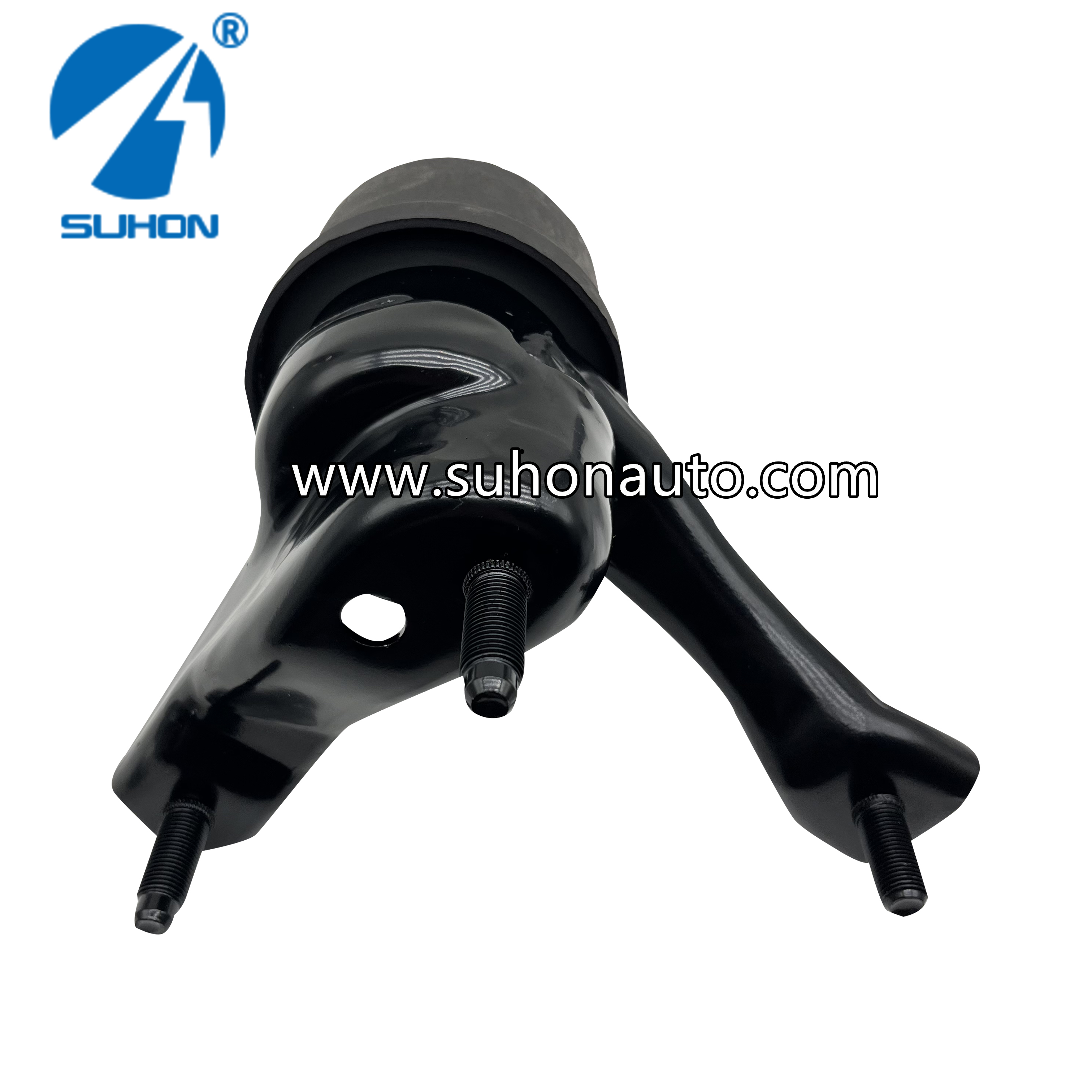
Most vehicles use multiple mounts to secure the engine and transmission. A typical car engine mounting is made of a sturdy metal bracket and a dense rubber bushing. The metal secures the mount to the engine and frame, while the rubber acts as a cushion. This rubber barrier is crucial because it isolates the engine's movement from the rest of the vehicle.
Understanding what a car engine mounting does is the first step in car maintenance awareness. It is not just a bolt; it is a shock absorber for your powertrain. When people talk about engine mount replacement, they are usually referring to swapping out this rubber component once it has worn down, dried out, or cracked.
The primary function of a car engine mounting is vibration isolation. Internal combustion engines generate significant force. Pistons move up and down, crankshafts rotate, and fuel ignites. All of this creates kinetic energy that wants to shake the engine block violently. The car engine mounting absorbs this energy so you don't feel it in the steering wheel or seat.
However, a car engine mounting does more than just stop shaking. It also maintains proper alignment. The engine must sit at a precise angle to connect correctly with the transmission and drive shafts. If a mount fails, the engine can tilt or sag. This misalignment puts stress on other components, leading to potential drivetrain failure.
In performance scenarios, such as with mid mounted engine cars, the function becomes even more critical. These vehicles often have higher torque outputs. The car engine mounting must be stiff enough to prevent the engine from twisting under hard acceleration but soft enough to keep the ride comfortable. This balance is why engine mount replacement is a common upgrade for those seeking better throttle response.
Not all mounts are created equal. Manufacturers use different designs based on the vehicle's purpose, cost, and performance requirements. Understanding these types helps you know what to look for when considering an engine mount replacement.
Mount Type | Primary Material | Best For | Pros | Cons |
|---|---|---|---|---|
Rubber Mounts | Steel & Solid Rubber | Daily Commuters | Cost-effective, durable, good vibration absorption | Can crack over time, allows some engine movement |
Hydraulic Mounts | Rubber & Fluid (Glycol) | Luxury Vehicles | Superior vibration damping, smooth ride | More expensive, can leak fluid |
Polyurethane Mounts | Polyurethane | Sports Cars | Stiffer feel, better power transfer, long-lasting | Transmits more vibration to the cabin |
Solid Metal Mounts | Steel or Aluminum | Racing/Track Cars | Maximum engine stability, zero movement | Extremely harsh ride, high vibration transfer |
Active/Electronic Mounts | Electronic Sensors & Fluid | High-End Performance | Adjusts stiffness in real-time | Very expensive, complex to repair |
A standard car engine mounting is usually solid rubber. It is simple and effective. However, many modern cars now use hydraulic mounts. These are filled with a liquid, similar to a shock absorber, to dampen specific frequencies of vibration that rubber alone cannot handle. If you see fluid leaking from your mount, that is a clear sign you need an engine mount replacement immediately.
Mid mounted engine cars are a unique breed. In these vehicles, the engine sits between the front and rear axles, usually right behind the driver. This layout offers superior balance and handling, which is why it is popular in sports cars and supercars. However, this placement creates unique challenges for the car engine mounting system.
In mid mounted engine cars, the engine is closer to the driver's ears and spine. This means that noise, vibration, and harshness (NVH) are much more noticeable. A failing car engine mounting in a front-engine sedan might just feel like a rough idle. In mid mounted engine cars, it can feel like the engine is hammering against your back.
Furthermore, mid mounted engine cars are typically designed for performance. They generate high G-forces during cornering and acceleration. The mounts must be robust enough to hold the heavy engine securely against these lateral forces. If the engine shifts too much during a high-speed turn, it can upset the car's balance. Therefore, owners of mid mounted engine cars must be vigilant about inspecting their mounts. An engine mount replacement in these vehicles often requires specialized parts designed to handle higher thermal and mechanical stress.

Like any car part, a car engine mounting has a finite lifespan. Several factors contribute to its deterioration.
Age and Oxidation: Rubber is an organic material. Over time, it dries out, hardens, and cracks. This happens regardless of mileage. A 10-year-old car with low miles might still need an engine mount replacement simply because the rubber has degraded. Fluid Contamination: If your engine leaks oil or power steering fluid, it can drip onto the car engine mounting. Petroleum products eat away at rubber, causing it to turn mushy and fail prematurely. Driving Habits: Aggressive driving, such as dumping the clutch or hard launching, puts immense torque on the mounts. This twisting force can tear the rubber of the car engine mounting. Accidents: Even a minor fender bender can shift the engine enough to damage a mount. Heat: Engines get hot. Being bolted directly to the heat source creates thermal stress that eventually breaks down the car engine mounting materials.
Recognizing these causes can help you plan for an engine mount replacement before catastrophic failure occurs.
Knowing when to perform an engine mount replacement can save your car from severe damage. Here are the key symptoms to watch for:
The most common sign of a bad car engine mounting is vibration. If your steering wheel shakes while you are stopped at a red light, or if the dashboard rattles when the engine is idling, the mounts are likely worn. This is especially true for mid mounted engine cars, where the vibration will be felt through the chassis and seats intensely.
When a car engine mounting breaks completely, the engine is no longer held firmly. When you accelerate or shift gears, the engine may lift and drop back down, creating a loud "thud" or "clunk" noise. This is the sound of the engine physically hitting the frame or other components. This requires an immediate engine mount replacement.
Pop the hood and look at the engine. Does it sit level? If one side looks lower than the other, a car engine mounting has likely collapsed. In mid mounted engine cars, this might be harder to see without a lift, but a mechanic can easily spot the tilt.
In automatic vehicles, a bad car engine mounting can cause a harsh jolt when the transmission shifts gears. The loose engine allows momentum to build up and slam into the next gear, rather than transitioning smoothly.
If you notice any of these signs, book an engine mount replacement service soon. Ignoring it can lead to broken radiator hoses, damaged exhaust pipes, or even a cracked engine block.
An engine mount replacement is a straightforward job for a professional but can be tricky for a novice. It generally involves supporting the engine with a hoist or jack to take the weight off the mounts. The mechanic then unbolts the old car engine mounting from the frame and engine block.
The new mount is bolted in, and the engine is carefully lowered back onto it. For mid mounted engine cars, the process can be more labor-intensive due to limited access. The engine bay is tighter, and accessing the bolts may require removing other components.
When performing an engine mount replacement, it is often recommended to replace all mounts at once. If one car engine mounting has failed, the others have likely been under extra stress and are not far behind.


Choosing a high-quality car engine mounting is vital. Cheap aftermarket mounts often use inferior rubber that is too hard (causing vibration) or too soft (failing quickly). For mid mounted engine cars, precision is even more critical. A poorly made mount can ruin the handling characteristics that make these cars special.
A quality engine mount replacement restores the factory ride quality. It protects your transmission and driveshafts from misalignment. It also ensures that the cabin remains quiet and comfortable. Whether you drive a daily sedan or one of the high-performance mid mounted engine cars, investing in good parts is investing in the longevity of your vehicle.
typically, a car engine mounting lasts between 60,000 to 100,000 miles (approx. 96,000 to 160,000 km). However, time is also a factor. Rubber degrades after 5-7 years, often necessitating an engine mount replacement even on low-mileage vehicles.
No, it is not safe. While the engine won't fall out of the car, a broken car engine mounting allows the engine to move excessively. This can damage the transmission, snap drive belts, or cause the engine fan to hit the radiator. Immediate engine mount replacement is recommended.
The cost varies widely. A single part for a standard car might cost $50-$150. However, labor can range from $200 to $600 depending on complexity. For mid mounted engine cars, costs are typically higher due to the difficult labor involved.
Yes. Many enthusiasts replace stock rubber mounts with polyurethane ones. This reduces engine movement, sending more power to the wheels. However, be aware that this often increases cabin vibration. This upgrade is popular among owners of mid mounted engine cars who prioritize handling over comfort.
Most vehicles have between three and four mounts. This usually includes the transmission mount, which functions similarly to the car engine mounting. When scheduling an engine mount replacement, check the transmission mount as well.


Your car's stability and comfort rely heavily on the humble car engine mounting. From absorbing the shock of combustion to keeping your drivetrain aligned, this component is essential. Owners of mid mounted engine cars must be particularly aware of their mounts' condition to preserve their vehicle's handling dynamics.
If you are experiencing vibrations, clunking noises, or engine movement, do not delay. A timely engine mount replacement ensures your vehicle runs smoothly and prevents expensive collateral damage.
For reliable, high-quality engine mounts and professional advice, we recommend [suhon auto]. They offer durable solutions tailored to keep your vehicle running at its best.
Email: junz@suhonauto.com
Phone: +86 18138671291


