
 English
Views: 0 Author: Site Editor Publish Time: 2026-03-11 Origin: Site
Engine mounts play a crucial role in maintaining vehicle stability, safety, plus driving comfort. These components secure the engine firmly within the engine bay while also minimizing vibration transmitted from the engine to the vehicle frame. Without reliable engine mounts, the engine would move excessively, resulting in severe vibration, increased wear, plus potential mechanical damage.
Modern vehicles rely heavily on high-quality rubber engine mounts because they provide effective vibration absorption while keeping the engine stable during acceleration, braking, plus cornering. Rubber engine mounts create a flexible connection between the engine plus the chassis, which helps isolate vibration plus protect other vehicle components.
Drivers often overlook engine mounts until noticeable issues appear. Recognizing engine motor mount symptoms early helps prevent expensive repairs, protects engine components, plus maintains driving comfort. Understanding how rubber engine mounts function plus recognizing engine motor mount symptoms allows vehicle owners to maintain their vehicles more effectively.
Throughout this guide, we will explore the structure of engine mounts, the role of rubber engine mounts, common engine motor mount symptoms, maintenance considerations, plus how proper engine mounts improve overall vehicle performance.


Engine mounts serve as structural supports designed to secure the engine to the vehicle frame. These mounts must handle significant mechanical stress because engines produce continuous vibration plus torque during operation.
Most vehicles typically use three or four engine mounts to stabilize the engine assembly. These engine mounts are strategically placed to distribute weight evenly while maintaining proper engine alignment.
Securing the engine in the correct position
Reducing vibration transmitted to the cabin
Absorbing engine movement during acceleration
Protecting surrounding components from excessive stress
Maintaining drivetrain alignment
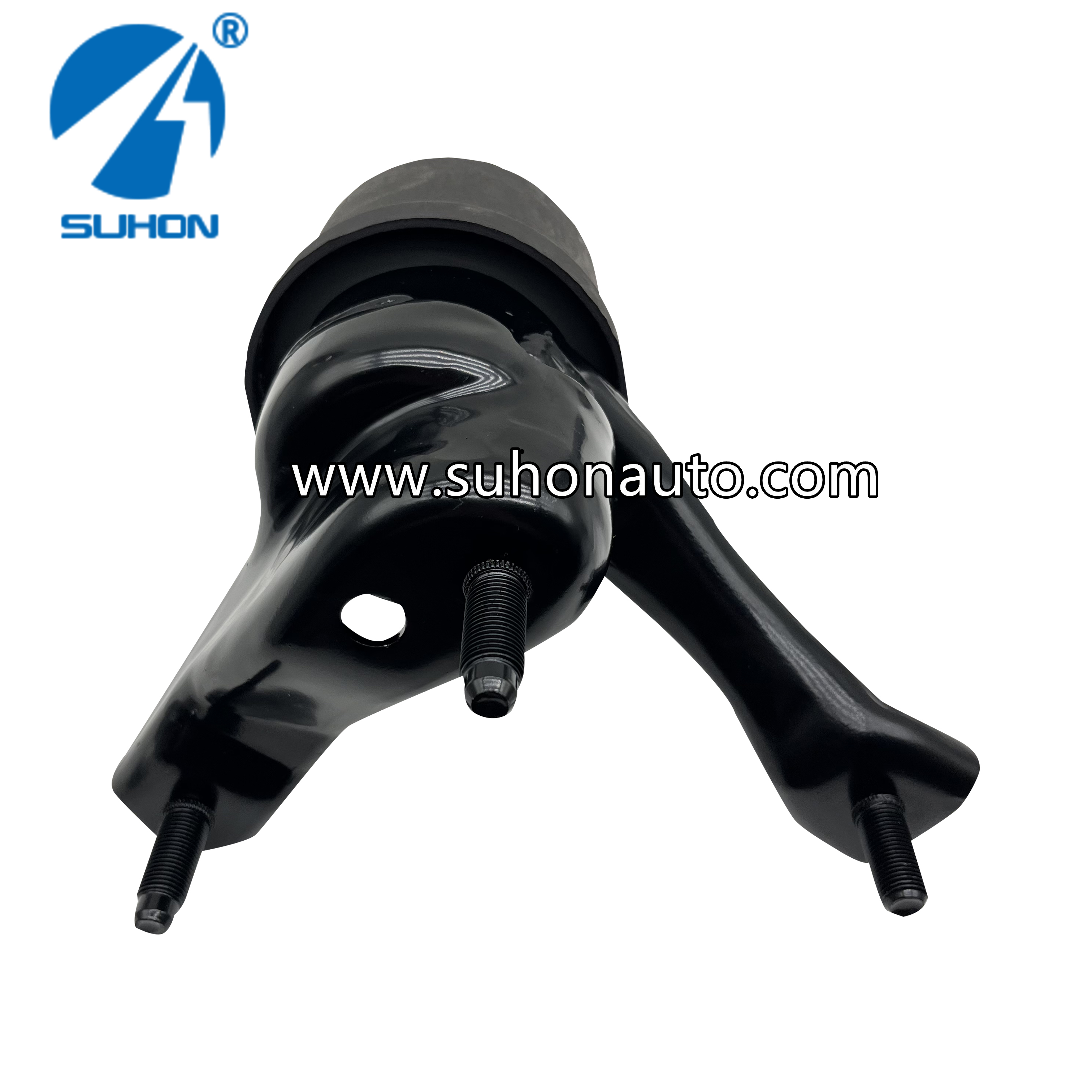
Rubber engine mounts are widely used because rubber material offers excellent vibration isolation properties. Rubber engine mounts compress slightly under load, allowing controlled movement while preventing harsh vibration transfer.
In addition, rubber engine mounts help reduce noise, vibration, plus harshness, often referred to as NVH in automotive engineering. Properly designed engine mounts improve driving comfort while protecting the structural integrity of the vehicle.
Rubber engine mounts remain the most commonly used mounting solution in passenger vehicles. Their flexible construction allows them to absorb energy generated by engine movement.
Rubber engine mounts consist of metal brackets combined with specially engineered rubber elements. The rubber component acts as a vibration isolator between the engine plus the chassis. This structure allows rubber engine mounts to maintain stability while reducing vibration transmission.
Excellent vibration damping
Reliable engine positioning
Reduced cabin noise
Improved ride comfort
Protection for surrounding engine components
Another advantage of rubber engine mounts is their durability. High-quality rubber engine mounts can withstand heat, oil exposure, plus constant mechanical stress. However, over time rubber may degrade, which eventually leads to noticeable engine motor mount symptoms.
Because rubber engine mounts operate continuously under heavy load, routine inspection becomes essential for maintaining proper engine mounts performance.
Recognizing engine motor mount symptoms early helps prevent mechanical damage plus costly repairs. When engine mounts begin to wear or fail, several noticeable signs may appear.
One of the most common engine motor mount symptoms is increased vibration felt inside the vehicle. When rubber engine mounts wear out, they lose their ability to absorb vibration effectively.
As a result, engine vibration transfers directly into the vehicle frame, causing noticeable shaking in the steering wheel, dashboard, or seats.
Damaged engine mounts may allow the engine to shift excessively during acceleration or braking. This movement can create a noticeable jolt when the vehicle changes speed.
Engine motor mount symptoms related to movement often occur when rubber engine mounts become cracked or weakened.
Another clear indicator of failing engine mounts is unusual noise from the engine compartment. When rubber engine mounts degrade, metal components may contact each other, producing clunking or knocking sounds.
These noises often appear during gear shifting or sudden acceleration.
Physical inspection may reveal cracks, tears, or separation within rubber engine mounts. Visible deterioration is a strong indicator that engine mounts require replacement.
Drivers should never ignore visible damage because worn rubber engine mounts may fail completely.
Engine mounts experience continuous stress during vehicle operation. Several factors contribute to the deterioration of rubber engine mounts over time.
Engines generate significant heat during operation. Prolonged heat exposure can gradually weaken rubber engine mounts, causing the rubber to harden or crack.
Oil leaks may damage rubber engine mounts because petroleum products degrade rubber material. Continuous oil exposure accelerates deterioration.
Normal engine operation produces constant vibration. Over time this repetitive stress gradually wears down rubber engine mounts.
Frequent rapid acceleration, heavy loads, or rough road conditions increase stress on engine mounts. These conditions may accelerate the appearance of engine motor mount symptoms.
| Engine Mount Type | Material Structure | Vibration Absorption | Durability | Common Usage |
|---|---|---|---|---|
| Rubber Engine Mounts | Rubber plus metal brackets | Excellent | High | Passenger vehicles |
| Hydraulic Engine Mounts | Fluid filled rubber structure | Very high | Moderate | Luxury vehicles |
| Solid Engine Mounts | Metal construction | Very low | Very high | Racing vehicles |

Rubber engine mounts remain the most widely used solution because they balance comfort, durability, plus cost efficiency.
Maintaining engine mounts properly helps extend their service life. Drivers should monitor engine motor mount symptoms regularly to ensure early detection of problems.
Inspect rubber engine mounts during routine servicing
Repair oil leaks promptly to protect rubber engine mounts
Monitor unusual vibration or noise from the engine bay
Replace worn engine mounts before complete failure occurs
Routine inspections help identify engine motor mount symptoms before they lead to severe engine damage.
Mechanics typically inspect rubber engine mounts visually plus manually to detect excessive movement. Early replacement prevents additional strain on surrounding components such as transmission mounts or exhaust systems.
Engine mounts contribute significantly to overall driving comfort. Properly functioning rubber engine mounts isolate engine vibration, allowing passengers to enjoy a smooth ride.
When rubber engine mounts remain in good condition, drivers experience reduced noise plus minimal vibration. In contrast, worn engine mounts often cause unpleasant driving experiences due to excessive shaking.
Additionally, engine mounts help maintain drivetrain alignment. Correct alignment improves power transmission efficiency while protecting mechanical components from premature wear.
By maintaining healthy rubber engine mounts, drivers can preserve engine stability, improve vehicle comfort, plus extend the lifespan of critical mechanical systems.
Engine mounts secure the engine to the vehicle frame while reducing vibration. Rubber engine mounts allow slight movement to absorb engine vibration while maintaining stability.
Typical engine motor mount symptoms include excessive vibration, engine movement during acceleration, clunking noise, plus visible cracks in rubber engine mounts.
Rubber engine mounts typically last between 5 to 10 years depending on driving conditions, engine load, plus environmental factors.
Yes. Severe engine motor mount symptoms may cause excessive engine movement which can damage surrounding components or affect vehicle stability.
Rubber engine mounts should be replaced when cracks, excessive vibration, or noticeable engine motor mount symptoms appear during vehicle operation.
Selecting high-quality engine mounts is essential for maintaining vehicle performance, comfort, plus mechanical stability. Reliable rubber engine mounts reduce vibration, improve engine positioning, plus extend the lifespan of drivetrain components.


For dependable manufacturing quality plus durable rubber engine mounts, suhon auto provides professional solutions designed for modern vehicles. High manufacturing standards ensure stable performance plus reliable vibration control for a wide range of automotive applications.
Email: junz@suhonauto.com
Phone: +86-18138671291


