


Views: 0 Author: Site Editor Publish Time: 2026-01-24 Origin: Site


Have you noticed your car shaking more than usual while idling at a stoplight? Excessive vibration is one of the classic signs that your vehicle's isolation system is failing. The culprit is often found in the rubber engine mounts that hold your heavy engine in place. While many mechanics will immediately tell you to change engine mounts, there is often a cost-effective alternative for DIY enthusiasts. Did you know you can often repair the existing rubber to extend its life?
Repairing rubber engine mounts can restore smooth driving dynamics without the high labor costs associated with a full replacement. This guide will walk you through identifying engine mount symptoms, the process of reinforcing worn rubber, and knowing when it is truly time to change engine mounts.
How do you know if the rubber is actually the problem? Identifying engine mount symptoms early can save your transmission and axles from unnecessary stress. The most obvious indicator is vibration. Rubber engine mounts are designed to absorb the natural harmonic imbalance of an internal combustion engine. When the rubber cracks or tears, that energy transfers directly to the chassis.
Another clear sign involves noise. Do you hear a loud clunk or thud when shifting gears or accelerating? This impact noise usually occurs because the engine is physically lifting and dropping back down. Ignoring these engine mount symptoms can lead to broken hoses or wiring harnesses. Furthermore, visual inspection often reveals sagging. If the engine sits lower on one side, your rubber engine mounts have likely collapsed. Recognizing these engine mount symptoms is the first step toward fixing the issue.

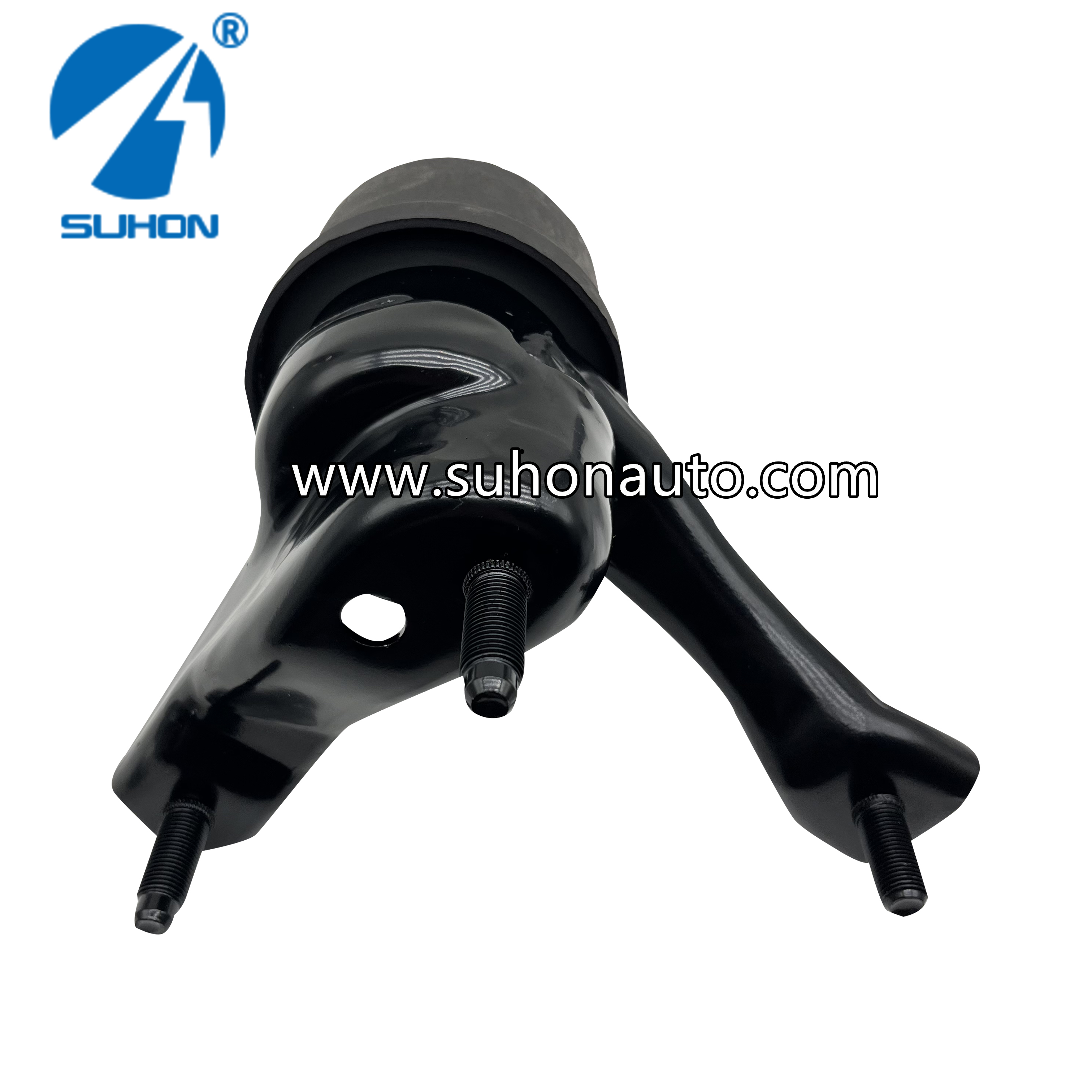
Why does this robust component eventually break down? Rubber engine mounts endure extreme conditions under the hood. They are constantly exposed to high heat cycles from the engine block and exhaust system. Over time, heat vulcanizes the rubber further, making it brittle and prone to cracking.
Oil leaks are another major enemy. Engine oil can chemically degrade rubber engine mounts, turning the firm rubber into a soft, mushy substance that offers no support. Once the structural integrity is compromised, the decision to either repair or change engine mounts becomes urgent. Regular wear and tear from torque stress also play a massive role. Every time you accelerate, the engine twists against the mounts, eventually tearing the rubber.
How can you be sure which mount is broken? You need to verify the source of the engine mount symptoms before attempting a repair. Start by opening the hood and having a helper sit in the car. With the parking brake firmly engaged and your foot on the brake, have the helper shift from Drive to Reverse (for automatic transmissions) or engage the clutch slightly (for manuals).
Watch the engine movement. Does it jump excessively? A little movement is normal, but violent lurching indicates failed rubber engine mounts. You can also use a pry bar to gently lift the engine near the mount. If you see deep cracks or complete separation in the rubber, you have confirmed the issue. This diagnosis helps you decide if a polyurethane fill repair is viable or if you must change engine mounts.
What tools and supplies will you need to fix the mount without buying a new one? The most popular method for repairing rubber engine mounts involves filling the voids and cracks with a high-grade polyurethane sealant. This is often referred to as "filling" the mounts.
A tube of high-shore hardness Polyurethane (often used for windshields or construction). Degreaser or brake cleaner to prep the surface. Sandpaper to rough up the old rubber. Caulking gun. Masking tape to seal one side of the mount.
This method essentially turns standard rubber engine mounts into solid or semi-solid mounts. This upgrade not only fixes the tear but often makes the mount stiffer than the factory version, which can improve throttle response, though it might transmit slightly more vibration than soft factory rubber.
How do you actually perform the repair? First, you must remove the mount from the vehicle. It is generally impossible to do a quality repair while the mount is installed due to gravity and access issues. Once removed, clean the rubber engine mounts thoroughly. Any oil or grease will prevent the polyurethane from bonding.
Use brake cleaner and a wire brush to scrub the existing rubber. Next, tape off one side of the mount to create a seal. Inject the polyurethane slowly into the gaps, cracks, and voids of the rubber engine mounts. Ensure you push the material deep into the crevices to eliminate air pockets. Smooth the surface with a putty knife. The most critical part of this process is curing time. You must let the mount sit for at least 48 to 72 hours. If you reinstall it too soon, the repair will fail, and you will have to change engine mounts anyway.
Is repair always the best option? Not always. If the metal bracket of the mount is fractured or bent, you must change engine mounts. Polyurethane cannot fix metal fatigue. Additionally, if the rubber engine mounts have completely disintegrated—meaning the central bushing is entirely detached and flopping around—a fill repair may not hold the center centered correctly.
In cases where you want to restore the car to 100% factory comfort, you should change engine mounts with OEM-quality replacements. The fill method creates a stiffer mount. If your priority is luxury-level smoothness over performance or cost-savings, replacing the unit is the superior choice. However, if you want durability and don't mind a slight increase in cabin hum, repairing the rubber engine mounts is an excellent solution.
What are the trade-offs between these two approaches? To help you decide whether to repair or change engine mounts, review the comparison below.
Feature | Repairing (Polyurethane Fill) | Changing (Full Replacement) |
|---|---|---|
Cost | Low (Under $20 for materials) | Moderate to High ($50-$200+ per mount) |
Downtime | High (2-3 days curing time) | Low (Immediate installation) |
Durability | High (Often outlasts stock rubber) | Varies by brand quality |
Vibration | Increased (Stiffer feel) | Factory standard (Smooth) |
Skill Level | Moderate DIY skills required | Basic bolting skills required |
Best For | Performance cars / Budget fixes | Luxury cars / Daily drivers |
Understanding this table ensures you don't face unexpected engine mount symptoms after the work is done. If you cannot wait three days for the glue to dry, you simply must change engine mounts.


Does the quality of the rubber really matter? Absolutely. Rubber engine mounts do more than just stop vibration; they align the drivetrain. If you choose to change engine mounts and use cheap, low-grade parts, you will likely see engine mount symptoms return within a few months. High-quality rubber engine mounts use natural rubber blended with specific synthetic compounds to handle heat and stress. Poor quality rubber dries out and cracks prematurely. Whether you are repairing or deciding to change engine mounts, ensuring the integrity of the material is key to keeping your engine safely secured in the engine bay during hard braking or accidents.
How can you stop this from happening again? Prevention is difficult since rubber naturally degrades, but you can extend the life of your rubber engine mounts. The most important step is fixing oil leaks immediately. As mentioned, oil destroys rubber. If your valve cover gasket is leaking onto a mount, that mount will fail.
Also, avoid neutral dropping (revving in neutral and slamming into drive) if you have an automatic transmission. This shock load tears rubber engine mounts instantly. Driving gently extends the life of these components. If you do need to change engine mounts, always replace them in pairs or sets. Changing one often puts stress on the old ones, causing engine mount symptoms to reappear quickly.
Who can you trust for parts and guidance? When the time comes to finally change engine mounts because a repair isn't feasible, you need a supplier that understands rubber formulation. Dealing with recurring engine mount symptoms is frustrating, and the market is flooded with inferior rubber parts.
For those seeking durability and precise fitment, we recommend looking into [suhon auto]. They specialize in high-quality automotive rubber components that meet or exceed OEM specifications. Choosing the right parts ensures you won't have to worry about rubber engine mounts failing prematurely again.
Yes, they can. When rubber engine mounts fail, the engine shifts excessively. This pulls on the transmission mounts and axles, potentially damaging the CV joints and even the transmission casing itself. Addressing engine mount symptoms early prevents this expensive damage.
If you decide to change engine mounts, it typically takes between 1 to 4 hours, depending on the vehicle. Some mounts are easily accessible, while others require lifting the engine significantly. Repairing rubber engine mounts takes longer due to the drying time of the polyurethane.
It is not recommended. While the engine won't typically fall out, the movement can break other components like radiator hoses or exhaust pipes. If you notice severe engine mount symptoms, you should repair or change engine mounts as soon as possible.
Yes, typically. Filling rubber engine mounts with polyurethane makes them stiffer than the factory air-gapped rubber. This transmits more engine frequency to the chassis, which some drivers interpret as "sporty" feedback, while others find it annoying.
No. Standard silicone is too soft and lacks the shore hardness required for automotive applications. It will tear under the torque of the engine. You must use high-grade polyurethane to effectively repair rubber engine mounts.


Email: junz@suhonauto.com
Phone: +86 18138671291


