


Views: 0 Author: Site Editor Publish Time: 2026-05-22 Origin: Site


Quick answer: Start the process of changing your motor supports when you notice excessive vehicle vibration, clunking noises from the engine bay, or visible damage to the rubber components. Addressing these issues early prevents severe transmission misalignment and restores driving comfort. Choose high-quality components made from premium materials to ensure long-term durability.
Every vehicle relies on a delicate balance to operate smoothly. The internal combustion engine generates intense kinetic energy and vibrations. To prevent these forces from rattling the chassis and disturbing passengers, cars use a sophisticated isolation system.
Over time, the rubber and metal components within this system wear down due to constant heat, stress, and exposure to road debris. When this happens, the driving experience becomes significantly less comfortable. Drivers often notice rough idling or unusual noises when accelerating.
Understanding how this system works helps you make better maintenance decisions. This guide explains the symptoms of component failure, the importance of high-quality materials, and how to approach the repair process efficiently.
The most obvious sign of a failing support is excessive vibration inside the cabin. When the rubber isolating material degrades, it can no longer absorb the engine's natural movement. You will feel this vibration through the steering wheel, floorboards, and seats, especially when the car is idling.
Another clear symptom is a distinct clunking or banging noise from the engine bay. This usually happens during sudden acceleration, hard braking, or when shifting gears. The noise occurs because the metal brackets are hitting each other without the proper rubber cushion in between. If you hear this sound, replacing engine mounts becomes an immediate priority to prevent further damage to other drivetrain components.
Visual inspections also reveal important clues. If you look under the hood and see cracks, tears, or fluid leaking from the rubber components, the part has reached the end of its lifespan.
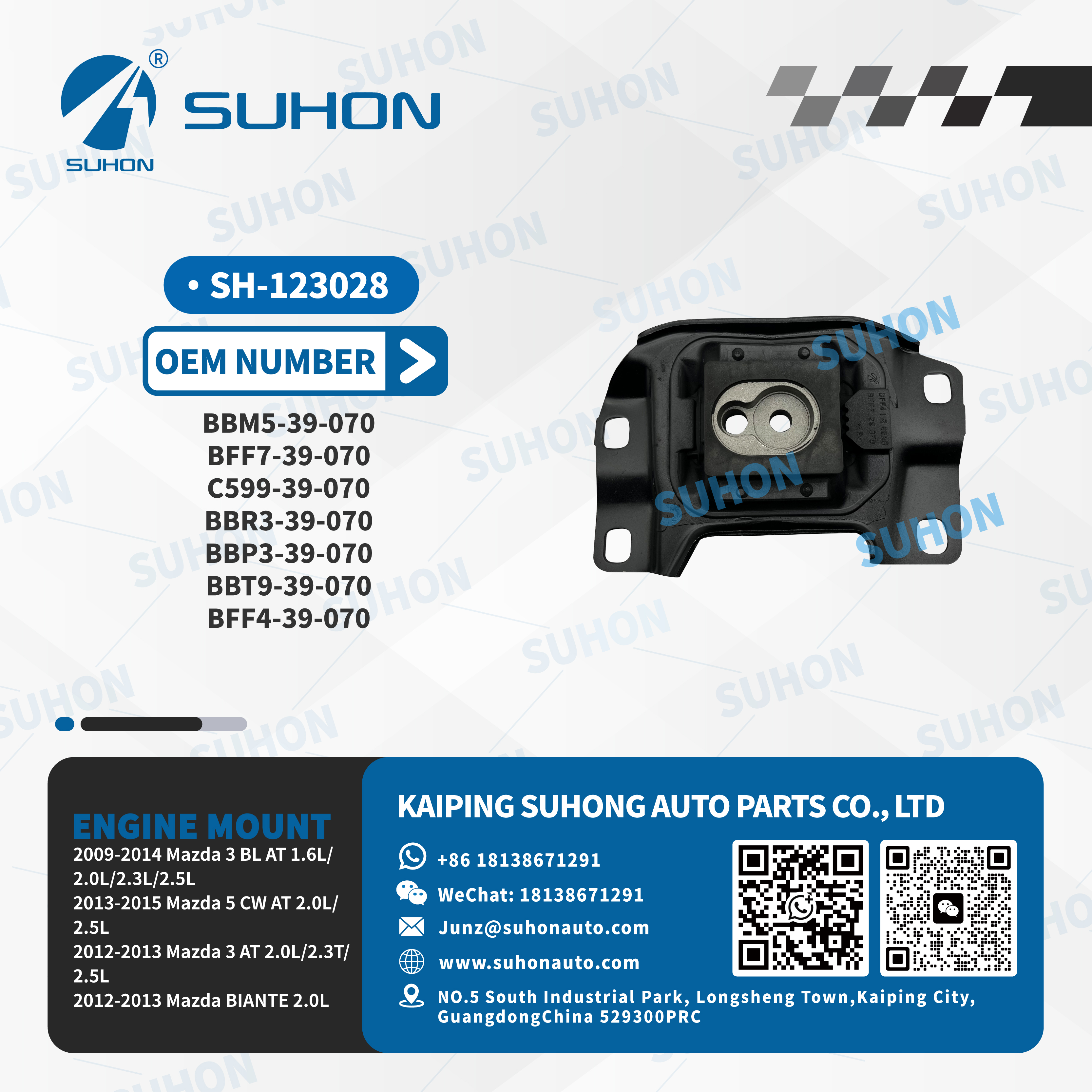
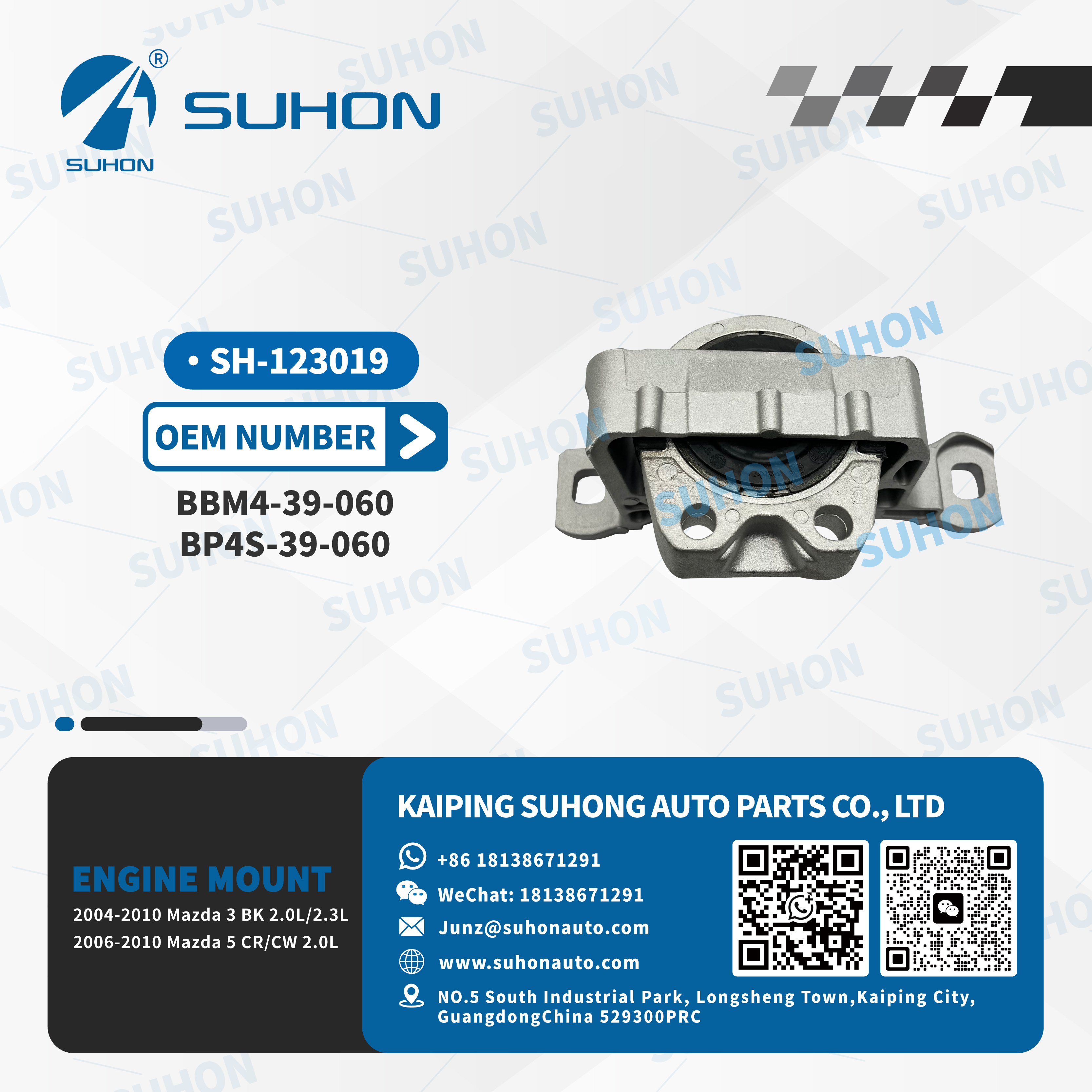
The quality of the replacement part directly impacts the longevity of your repair. Manufacturers use various grades of rubber and polyurethane to construct these components.
Premium manufacturers, such as Kaiping Suhong Auto Parts Co. Ltd, prioritize high-grade raw materials. Established in 1995 and holding ISO9001 certification, this company utilizes Thailand RSS3 cigarette rubber and Vietnam SVR3L in their formulations. These specific materials offer exceptional heat resistance and structural integrity.
A high-quality engine bushing mount built with these premium rubbers will outlast cheaper alternatives. Choose natural rubber blends if passenger comfort and maximum vibration absorption matter more than pure performance stiffness. Choose solid polyurethane only if you are building a track-specific race car and prioritize immediate power transfer over cabin comfort.
Selecting the right component involves weighing factors like cost, material, and expected lifespan. The table below outlines the general differences between common aftermarket options.
Component Type | Average Material Cost | Expected Lifespan | Recommended Use Case |
Standard Aftermarket | $30 - $70 | 3 to 5 years | Budget-conscious daily commuting |
Premium OEM-Grade | $80 - $150 | 7 to 10 years | Long-term reliability and comfort |
Polyurethane Performance | $100 - $200 | 10+ years | Motorsport and heavy-duty towing |
Active Electronic | $250 - $600 | 5 to 8 years | Luxury vehicles with adaptive systems |
The physical layout of the engine bay dictates how vibrations travel through the frame. The supports located near the radiator and front bumper handle a significant portion of the rotational torque generated during acceleration.
When the front isolator fails, the engine can actually lift and tilt backward under heavy load. This excessive movement places extreme stress on the transmission linkages, exhaust flex pipes, and cooling hoses. Therefore, maintaining a healthy engine mount front setup is vital for protecting surrounding infrastructure. Routine visual checks every 30,000 miles can help identify early signs of sagging or rubber separation in this critical area.
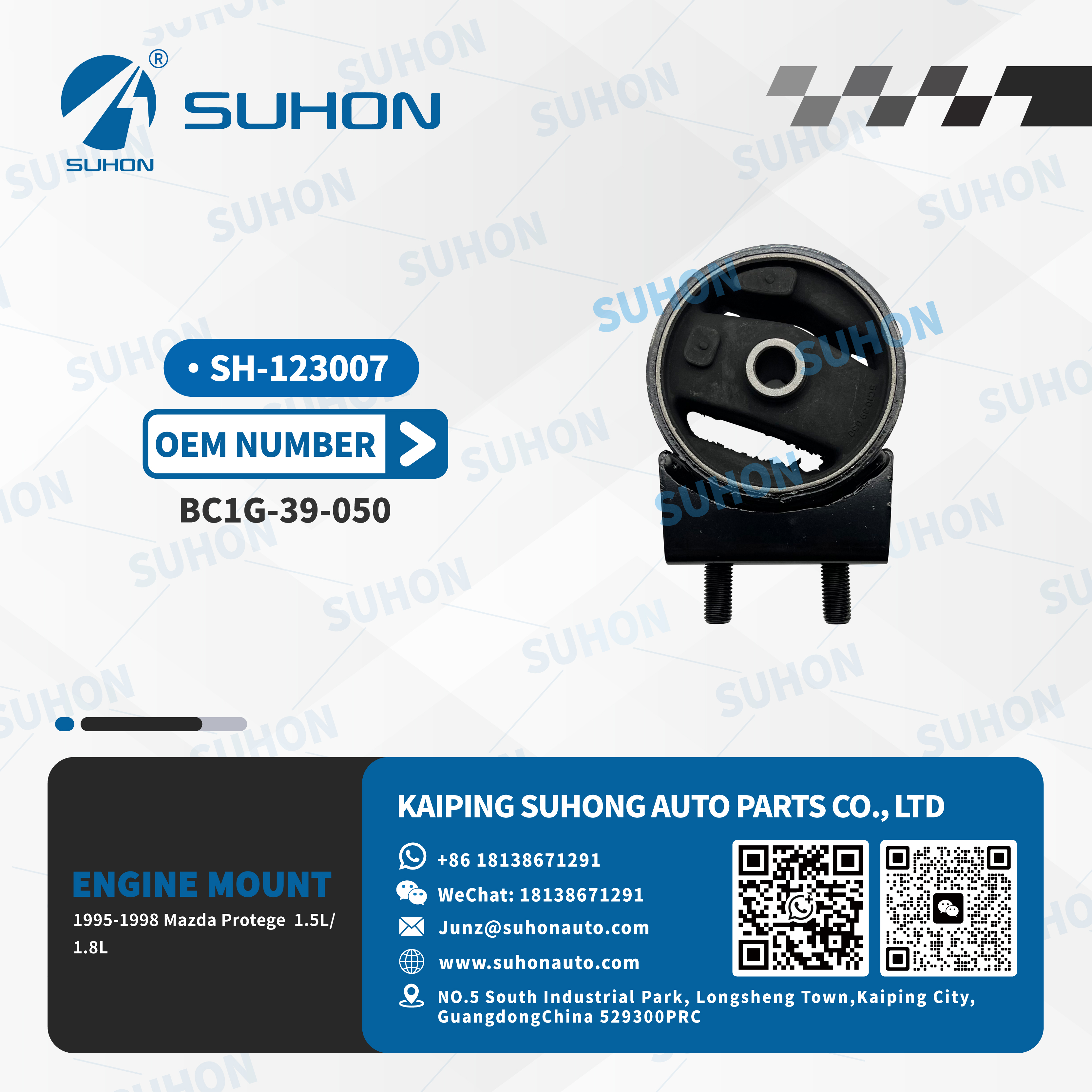
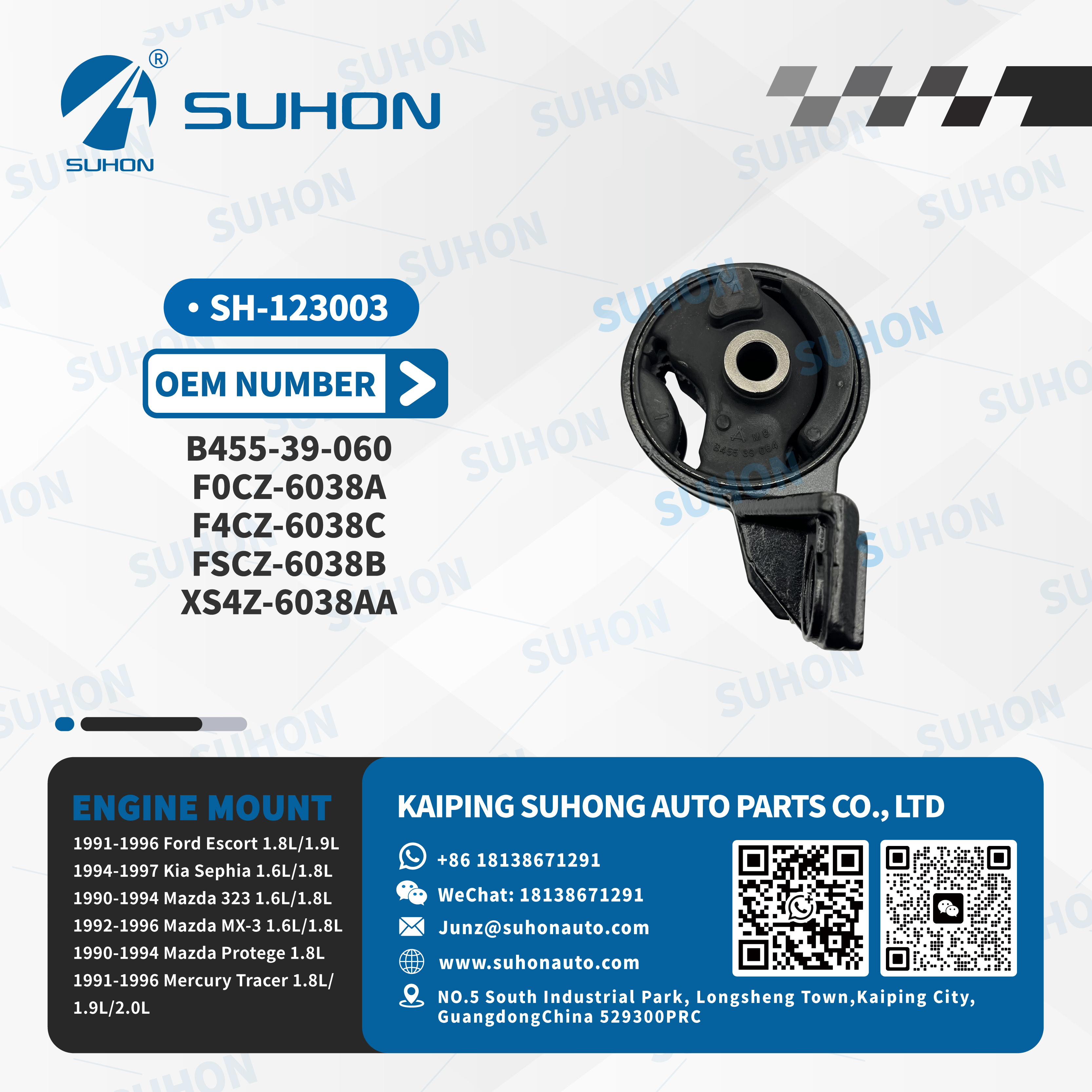
Ignoring harsh vibrations or clunking noises usually leads to more expensive repair bills down the road. Damaged supports put undue stress on axles, exhaust manifolds, and transmission housings.
If you suspect your vehicle needs attention, schedule an inspection with a certified mechanic. They can safely lift the engine and determine exactly which components have failed. By choosing reliable parts backed by strict manufacturing standards, you ensure a smoother, quieter ride for years to come.
Most standard isolation components last between 60,000 and 100,000 miles. However, aggressive driving habits, extreme climates, and fluid leaks can significantly shorten this lifespan.
Mechanics generally recommend changing all supports simultaneously. When one part fails, the remaining components absorb the extra stress, causing them to wear out much faster. Replacing them as a complete set ensures balanced weight distribution.
Driving with a severely compromised support is not recommended. While you can typically drive short distances at low speeds safely, prolonged use can misalign the drivetrain, snap belts, or cause the engine cooling fan to hit the radiator shroud.
Labor costs vary widely depending on the vehicle's make and model. Front-wheel-drive vehicles with compact engine bays generally require more labor hours. Expect to pay between $200 and $600 for labor, in addition to the cost of the parts.


