


Views: 0 Author: Site Editor Publish Time: 2026-08-27 Origin: Site


Your engine doesn't sit directly on the frame of your car. It rests on a set of rubber-and-metal components that hold it in place and soak up vibration. When these parts wear out, you feel it—rough idling, clunking sounds, and a shaky ride. Left unchecked, worn mounts can damage other drivetrain components and turn a simple fix into an expensive repair.
This post breaks down what drives the cost of motor mount replacement, why prices vary so much, and how choosing quality parts saves you money over time. At Kaiping Suhong Auto Parts Co., Ltd., we've spent more than 25 years manufacturing reliable engine mounts for the global aftermarket, so we know exactly where your money goes—and where you can avoid overpaying.
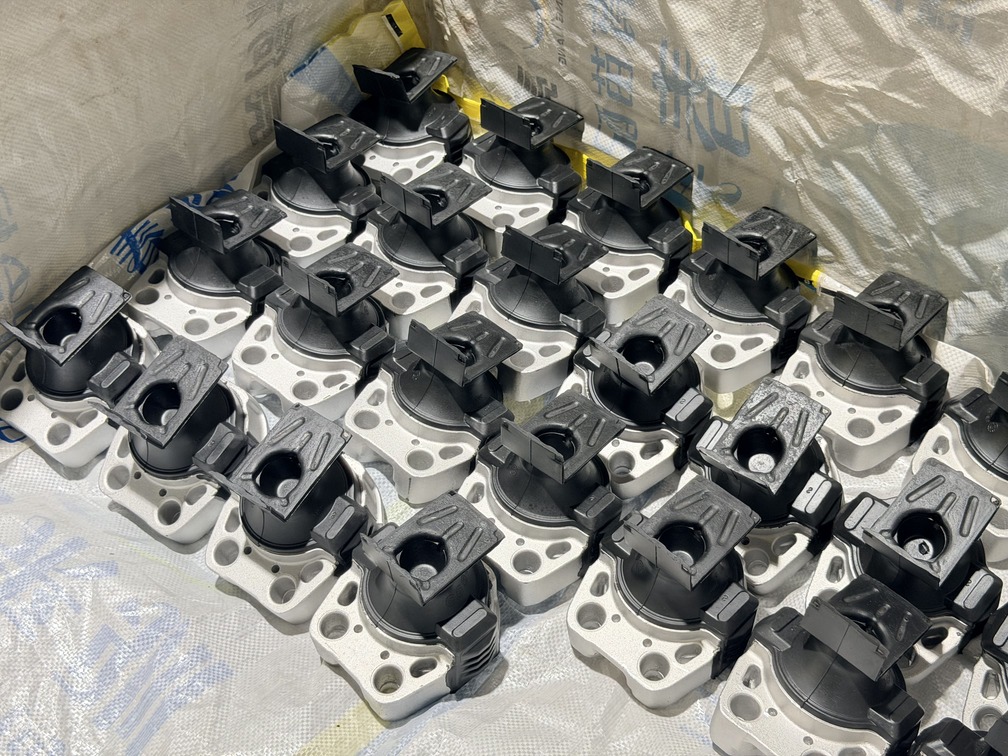
Ask three mechanics for a quote and you'll likely get three different numbers. That's because the total price depends on several moving parts.
The biggest factors are the type of vehicle you drive, how many mounts need replacing, and the labor rate in your area. A compact sedan with an easy-to-reach mount is far cheaper to service than a large SUV where the mechanic has to remove other components first.
The quality of the part matters too. A cheap mount might save you a few dollars upfront, but if it fails within a year, you're paying for labor all over again. That's where sourcing durable, OE-standard parts makes a real difference to your wallet.
To give you a clearer picture, here's a general breakdown of what you can expect to pay. Prices vary by region, vehicle, and shop, so treat these as ballpark figures.
Cost Component | Typical Range | Notes |
|---|---|---|
Single part (economy) | $30 – $80 | Basic rubber design, entry-level vehicles |
Single part (premium) | $80 – $200 | Hydraulic or OE-standard components |
Labor (per mount) | $100 – $350 | Depends on accessibility and shop rate |
Full replacement (multiple mounts) | $400 – $1,000+ | Larger engines often use 3–4 mounts |
Keep in mind that many engines rely on more than one mount. If one has failed, the others are often close behind, so replacing them together can save on repeat labor costs.
The way the engine mounting in car systems are designed has a direct impact on the final cost. Some vehicles use simple rubber mounts that are quick to swap. Others use hydraulic or electronic mounts that cost more to buy and take longer to install.
Accessibility is another hidden expense. On some models, a mount sits in plain view and takes minutes to reach. On others, the mechanic must lift the engine, remove brackets, or work around tight components. More labor hours mean a higher invoice, even when the part itself is inexpensive.
This is why two drivers can pay wildly different amounts for what sounds like the same job. Understanding your vehicle's setup helps you judge whether a quote is fair.
It's tempting to grab the cheapest option available, but that decision often backfires. Low-grade rubber degrades faster under heat, oil exposure, and constant vibration. When it fails early, you pay for the part and the labor a second time.
Investing in new engine mounts built to OE standards protects you from that cycle. At Kaiping Suhong Auto Parts Co., Ltd., our mounts are made with proprietary rubber formulations using Thailand RSS3 smoked sheet rubber and Vietnam SVR3L. These compounds are engineered for high and low temperature resistance, aging resistance, and consistent vibration control.
We back this quality with ISO9001 certification, a professional rubber laboratory, and full-process quality control across our 21,000-square-meter facility. The result is a part that lasts, which means fewer repairs and lower costs over the life of your vehicle.
If you have solid mechanical skills, the right tools, and a safe place to lift your vehicle, replacing a mount yourself can cut the labor cost entirely. The job usually takes two to four hours for a straightforward setup.
That said, this repair involves supporting the weight of the engine, which carries real risk if done incorrectly. For complex hydraulic or electronic mounts, or if you're unsure about the process, a professional is the safer choice. The labor cost buys you peace of mind and a job done right.
Either way, starting with a dependable part gives you the best outcome. A quality mount installed correctly the first time is always the most economical path.
The price of replacing your engine mounts comes down to three things: your vehicle, the number of mounts involved, and the quality of the parts you choose. Cutting corners on the part almost always costs more in the long run.
Focus on durable, OE-standard components, get a clear labor quote before work begins, and replace worn mounts together when it makes sense. That approach keeps your car smooth, quiet, and reliable without draining your budget.
Ready to source dependable mounts for your next repair? Explore the full range at Kaiping Suhong Auto Parts Co., Ltd., or request a quote to find the right fit for your vehicle.
How long do engine mounts usually last?
Most mounts last between 60,000 and 100,000 miles, though this varies with driving conditions, climate, and part quality. Rough roads and stop-and-go traffic can wear them out faster.
Do I need to replace all mounts at once?
Not always, but if one has failed due to age, the others are often near the end of their life too. Replacing them together can save on repeat labor charges.
Is it dangerous to drive with a bad mount?
A worn mount won't stop your car immediately, but it allows excessive engine movement that can strain hoses, belts, and other drivetrain parts. It's best to address it promptly to avoid larger repairs.


