


Views: 0 Author: Site Editor Publish Time: 2026-06-09 Origin: Site


Quick answer:
A failing suspension system often presents as severe cabin vibrations, clunking noises over bumps, and poor steering response. You should replace these components immediately when excessive movement is detected. Using premium rubber or polyurethane parts prevents further damage to your vehicle's engine block and transmission alignment.
Driving a car with worn-out suspension parts feels unstable and sounds incredibly noisy. Many drivers ignore these early warning signs, assuming the rough ride is simply a quirk of an aging vehicle or uneven pavement. However, delaying necessary maintenance often leads to catastrophic mechanical failures down the line.
Understanding how your vehicle absorbs road impact and engine vibration saves you significant time and money. Every time you accelerate, shift gears, or hit a pothole, specialized components work together to keep the chassis stable. When one of these parts breaks, the added stress transfers directly to the rest of the system, accelerating the degradation of otherwise healthy components.
This guide breaks down exactly how to identify failing vibration isolators across your vehicle. You will learn the core differences between various stabilizing parts, what diagnostic symptoms to watch for, and the best practices for replacing them safely before they cause severe damage.


Vehicles rely on a complex network of rubber and metal brackets to secure heavy machinery while dampening harsh movements. One critical piece of this puzzle is the strut mount, which connects the suspension shock absorber assembly directly to the vehicle's chassis. It acts as a structural pivot point for the steering system and absorbs the initial blunt shock from driving over uneven roads, potholes, and speed bumps. When this component degrades, drivers typically notice a heavy clunking sound near the front tires whenever the steering wheel is turned sharply.
When you press the accelerator pedal, the engine naturally wants to twist backward due to massive rotational forces generated by the crankshaft. A specific stabilizing arm, commonly known as the torque rod, restricts this violent twisting motion. According to automotive safety standards, maintaining this stabilizing arm is absolutely essential because it prevents the engine from rocking violently and pulling on delicate coolant hoses or electronic wiring harnesses. If the rubber bushing inside this arm tears, you will feel a distinct physical thud through the floorboards every time you accelerate from a complete stop.
The transmission requires just as much physical support as the heavy engine block. The gear mount supports the dense transmission housing, ensuring that the internal gears stay perfectly aligned with the vehicle's drive shaft. If this specific bracket degrades or collapses entirely, drivers usually experience harsh clunking sounds when shifting from park into drive or reverse. The misalignment caused by a collapsed bracket can eventually destroy the transmission output seals, leading to massive fluid leaks and catastrophic gear failure.
To help you plan your vehicle maintenance schedule accurately, review the expected lifespans and common failure symptoms of these critical parts. Note that aggressive driving habits, extreme temperature fluctuations, and harsh weather conditions will significantly accelerate the wear and tear on any rubber-based component.
Component Type | Expected Lifespan | Primary Function | Common Failure Symptoms |
Suspension pivot bracket | 50,000 - 80,000 miles | Connects shock absorbers to chassis | Squeaking over bumps, stiff steering |
Rotational stabilizer arm | 60,000 - 90,000 miles | Restricts engine twisting | Clunking during hard acceleration |
Transmission bracket | 70,000 - 100,000 miles | Supports the transmission housing | Rough shifting, strong cabin vibrations |
Engine support block | 60,000 - 100,000 miles | Secures the main engine block | Engine sagging, misaligned drive belts |

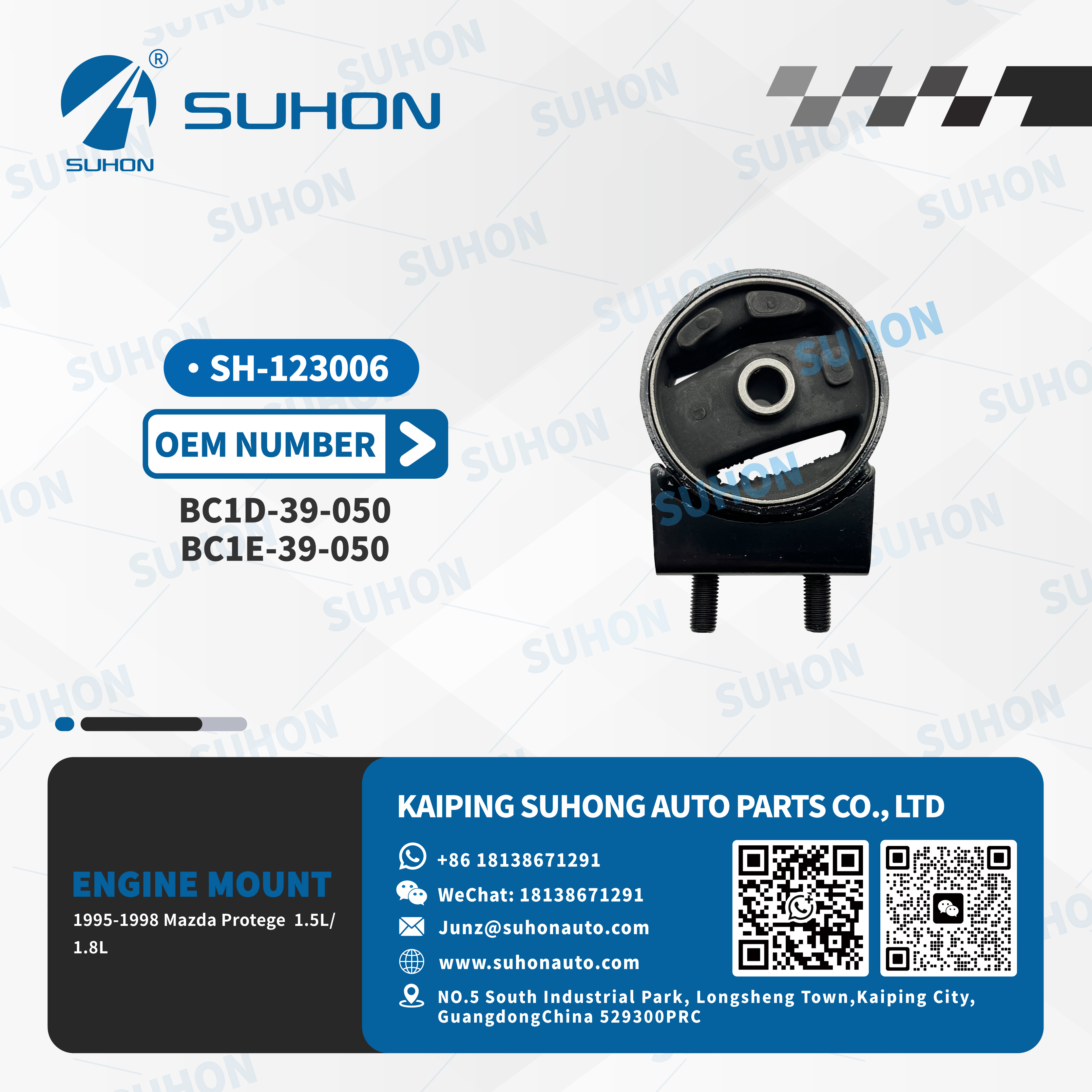
Replacing heavy automotive brackets requires extreme patience, the right mechanical tools, and strict adherence to safety protocols. Never rely solely on a standard hydraulic floor jack when working underneath a massive engine block, as a sudden hydraulic failure could cause severe injury.
Always use a heavy-duty engine support bar spanning the width of the hood compartment. This structural steel beam securely holds the engine from above using heavy-duty chains, allowing you to safely remove the damaged brackets from below. Choose a mechanical overhead support bar if your home garage setup lacks a professional hydraulic lift system. Supporting the engine from above ensures that the weight remains perfectly balanced even when multiple supporting brackets are removed simultaneously.
Installing new brackets requires precise mechanical alignment to prevent premature failure of the new parts. Loosely tighten all mounting bolts before lowering the engine back into its natural resting position. Once the engine settles naturally onto the new rubber cushions, torque the bolts to the exact foot-pound specifications outlined in your specific vehicle's service manual. This specific tightening method ensures no artificial tension rests on the new rubber inserts, which would otherwise cause them to tear within a few thousand miles.
Ignoring harsh cabin vibrations or unusual clunking noises never leads to a positive outcome. By regularly inspecting your suspension and engine brackets, you actively protect the most expensive operating systems in your vehicle from unnecessary structural strain.
Make it a habit to check the rubber components for deep surface cracks, dry rotting, or fluid leaks during every routine oil change. If you spot any visible damage, replace the parts promptly to restore your car's original ride quality and safety profile. Taking action early prevents a minor bushing replacement from turning into a massive transmission or engine rebuild.
The overall cost to replace a suspension pivot bracket ranges from $150 to $350 per side, depending heavily on your vehicle's specific make and model. Labor charges account for the majority of this expense, as the mechanic must remove the entire shock absorber spring assembly to access and replace the part safely.
You should not drive with a broken stabilizer arm. Continuing to operate the vehicle will place extreme stress on the remaining brackets, potentially causing the engine to shift completely out of alignment. This massive shift can permanently damage the radiator, snap the exhaust system manifold, or bind the transmission linkages.
A professional mechanic can usually replace a single engine or transmission bracket in two to three hours using a hydraulic lift. However, complex transverse engine layouts commonly found in modern front-wheel-drive cars might require removing the entire front subframe, which extends the total labor time to four or five hours.
Choose standard rubber parts if passenger comfort and a quiet cabin are your top priorities, as rubber absorbs harsh road vibrations excellently. Select dense polyurethane parts if you prioritize long-term durability and aggressive performance handling, though you will experience slightly more engine vibration and noise transferring directly into the cabin.
A transmission bracket typically fails prematurely due to massive fluid leaks from the engine or transmission itself. Petroleum-based motor oils and transmission fluids act as aggressive solvents when they drip onto natural rubber components, causing the rubber to swell, soften, and eventually disintegrate under the weight of the drivetrain.


