
 English
Views: 0 Author: Site Editor Publish Time: 2026-06-05 Origin: Site
TL;DR:
A failing engine support arm causes severe cabin vibrations, unusual clunking noises during acceleration, and poor transmission alignment. You should replace this component immediately when you notice excessive engine movement to prevent damage to surrounding drivetrain parts and maintain optimal vehicle safety.
If you hear a distinct clunking sound when you step on the gas pedal, your vehicle might be trying to tell you something important. Many drivers ignore minor vibrations, assuming they are just normal quirks of an aging car. However, these subtle warning signs often point to deteriorating support components under the hood. Understanding how to identify these issues early can save you from expensive repairs down the road.
Automotive stability relies on several heavy-duty components working together. When the engine generates power, it creates a massive amount of rotational force. Without proper stabilization, the engine block would literally twist itself out of position. The torque rod plays a crucial role in managing this twisting motion. It connects the engine block to the vehicle frame, absorbing the shock and keeping the powertrain aligned during heavy acceleration.
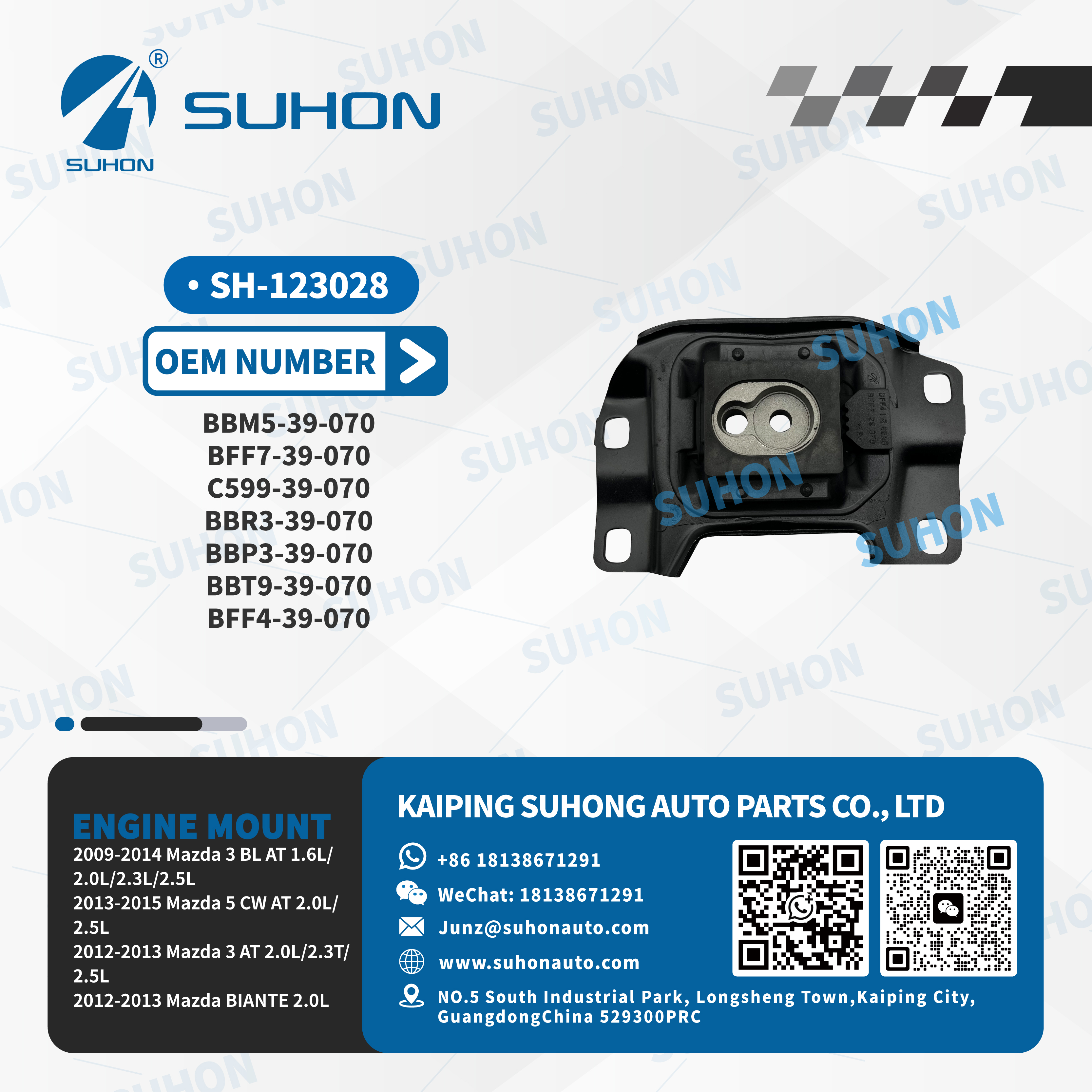
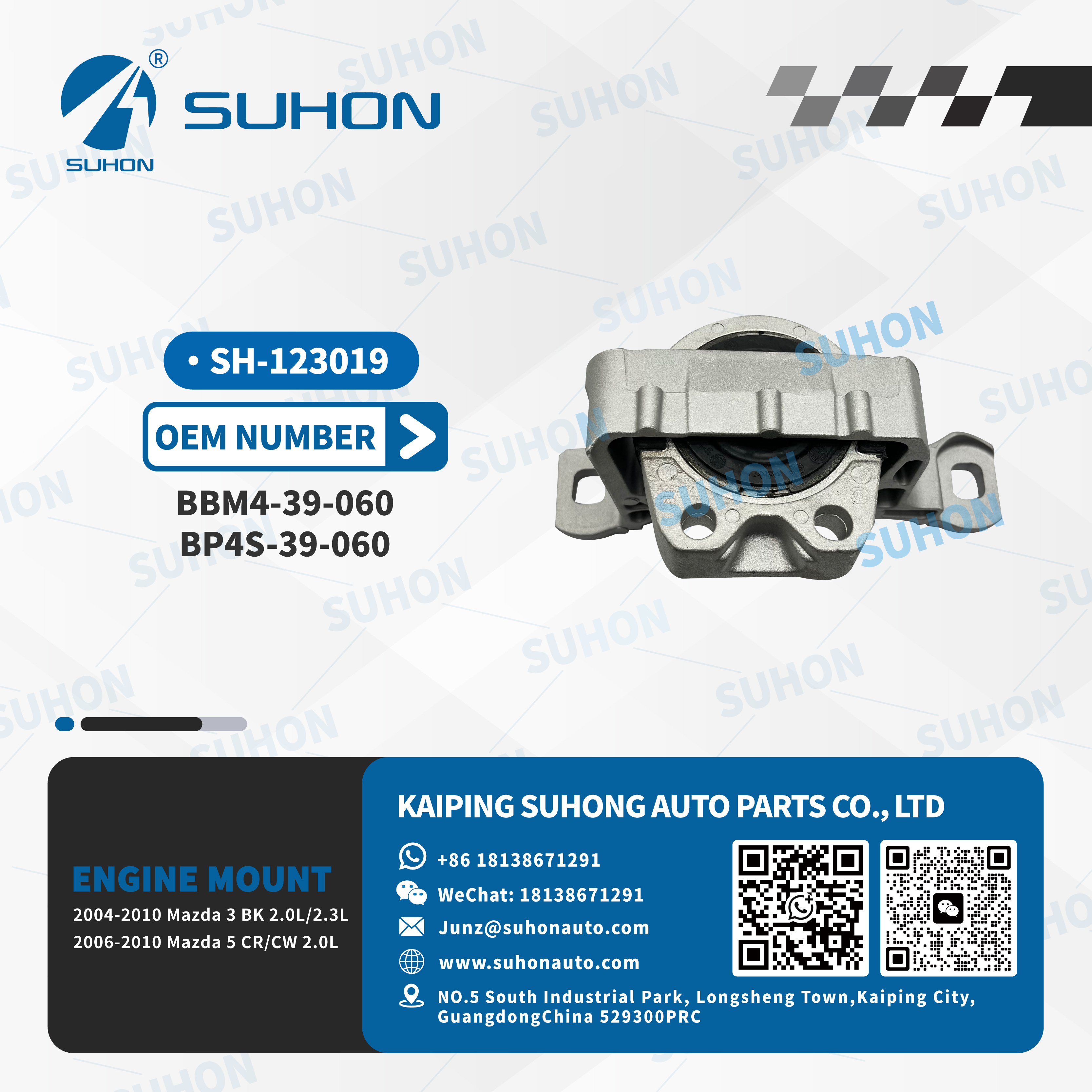
Vehicles communicate mechanical problems through specific sounds and sensations. According to the National Institute for Automotive Service Excellence (2024), abnormal drivetrain movement is the leading cause of premature exhaust system failure. When a primary support bushing cracks or tears, the engine shifts beyond its normal operating parameters.
You will typically notice the first signs of trouble when shifting from park into drive. A sharp jolt or thud indicates that the rubber dampening material has degraded. As the wear progresses, this movement places excessive stress on other areas. For example, the gear mount can suffer premature failure if it is forced to absorb the excess rotational force that the primary support arm fails to control. Choose high-quality polyurethane replacement parts if longevity and high-performance stability matter more to you than factory-level cabin quietness.
Different stabilization parts serve distinct purposes within your vehicle's architecture. Knowing the function of each part helps you diagnose problems more accurately.
Component Function | Primary Location | Warning Signs of Failure | Recommended Replacement Interval |
Upper Engine Brace | Top of the engine block near the firewall | Visible rubber tearing, engine rocking | 60,000 to 80,000 miles |
Lower Transmission Support | Beneath the vehicle, near the transaxle | Clunking when shifting, hard shifts | 70,000 to 90,000 miles |
Front Suspension Bearing | Top of the wheel well assembly | Popping over bumps, poor steering | 50,000 to 70,000 miles |
Motor Base Dampener | Lower left and right sides of the block | Severe idle vibration, sagging engine | 80,000 to 100,000 miles |
Engine stability directly influences how your car handles on the road. When the powertrain shifts unexpectedly during a sharp turn, it changes the weight distribution of the vehicle. This sudden shift can make the steering feel sloppy or unresponsive, drastically reducing your control during emergency maneuvers.
Furthermore, poor engine stabilization accelerates the wear on your suspension system. The constant jerking motion sends shockwaves through the chassis. Over time, these vibrations travel to the wheel assemblies, putting unnecessary strain on the strut mount. Once the suspension bearings begin to fail, you will experience a harsh ride and accelerated tire wear. Maintaining your drivetrain supports effectively extends the life of your entire suspension system.
Maintaining a stable engine block requires routine inspections and timely interventions. Do not wait for a minor vibration to evolve into a major mechanical failure. Inspect the rubber bushings during every oil change, looking for dry rot, deep cracks, or fluid contamination. Replacing a degraded stabilizer early protects your transmission, exhaust system, and axles from catastrophic damage.
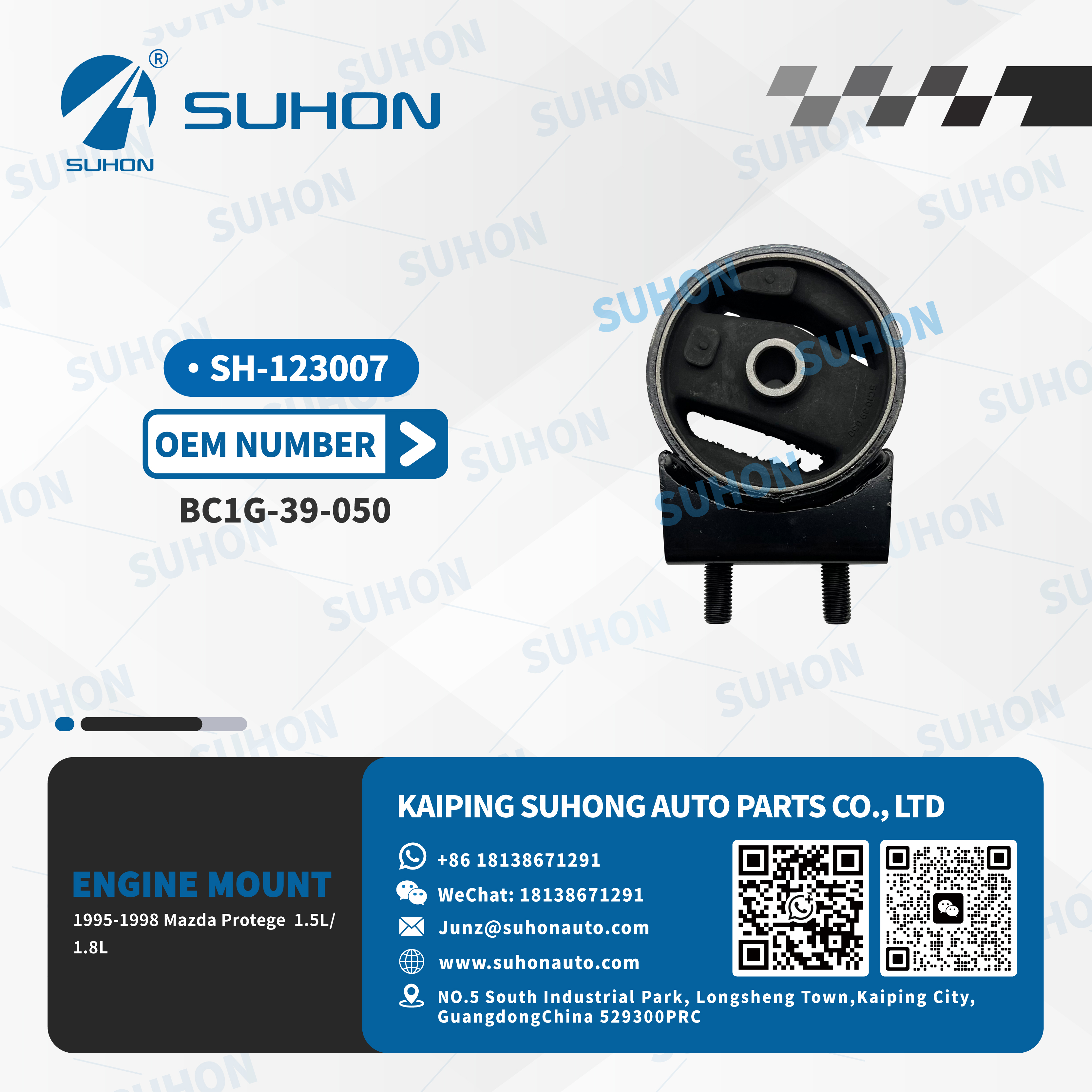
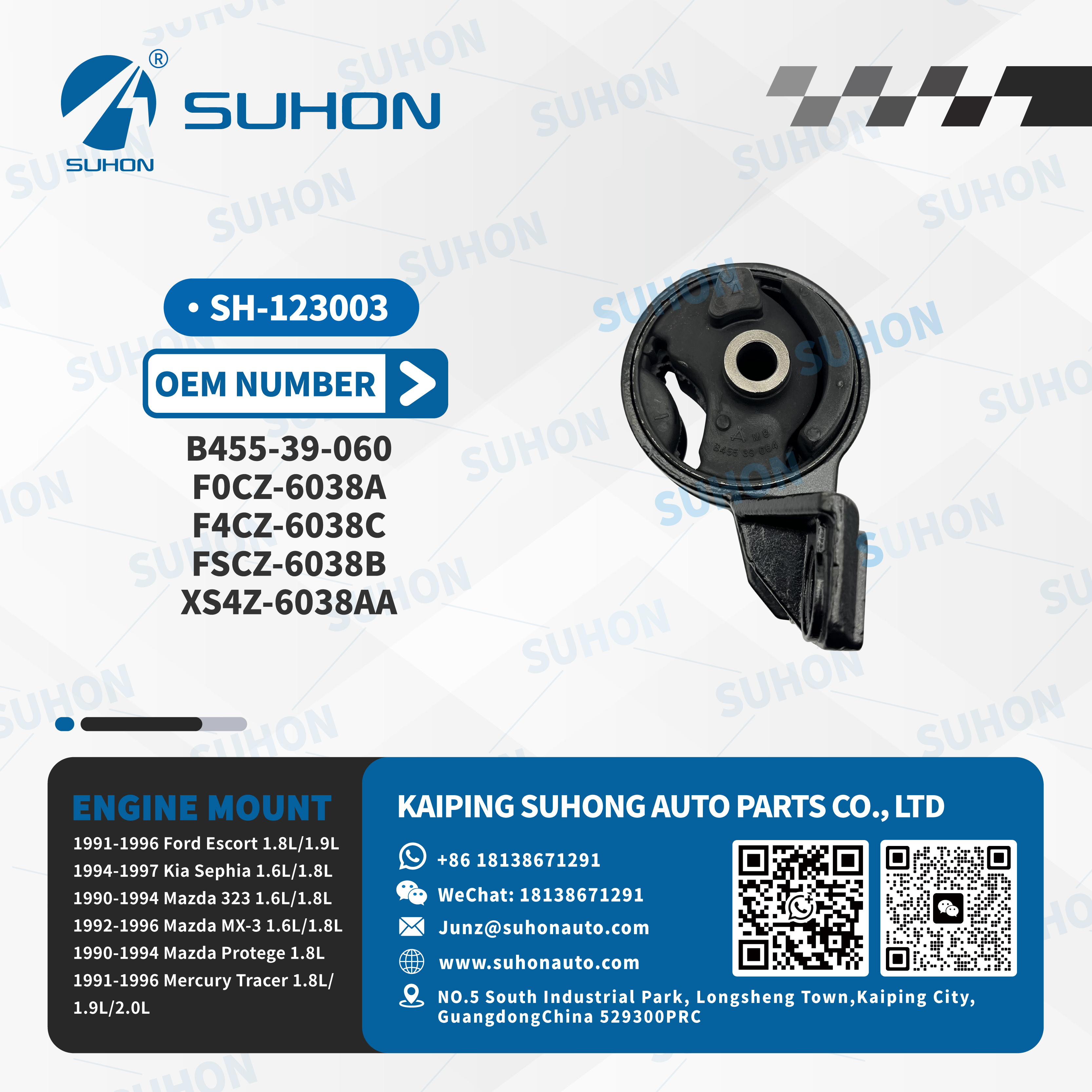
Replacing a standard stabilizing arm usually costs between $150 and $350, depending on the make and model of your vehicle. The part itself is relatively inexpensive, but labor costs account for the majority of the total bill due to the equipment needed to support the engine block safely.
A professional mechanic can typically swap out an upper support arm in about one to two hours. Lower transaxle supports may take slightly longer, requiring up to three hours if rust or corrosion makes the old hardware difficult to remove.
You should not drive a vehicle with severely degraded engine supports. Excessive engine movement can tear radiator hoses, break exhaust manifolds, and cause unintended acceleration by pulling on the throttle linkage. Have the vehicle towed to a repair facility if you experience violent clunking under the hood.
Choose rubber components if your primary goal is a smooth, quiet ride for daily commuting. Choose polyurethane upgrades if you prioritize durability and performance, though you should expect slightly more engine vibration to transfer into the cabin.


