
 English
Views: 0 Author: Site Editor Publish Time: 2026-06-15 Origin: Site
Quick answer:
You should not drive for more than a few weeks with failing engine supports. Operating a vehicle in this condition causes severe engine vibrations, transmission misalignment, and potential structural damage. Prompt replacement of these components is absolutely necessary to ensure passenger safety and prevent expensive mechanical repairs.
Understanding the lifespan of your vehicle's mechanical components is critical for maintaining reliable transportation. Every time you start the ignition, combustion forces generate immense physical stress under the hood. The structural integrity of your vehicle relies heavily on the rubber-and-metal dampers that secure the engine to the chassis. When these vibration-absorbing parts begin to deteriorate, drivers often underestimate the severity of the situation.
Many car owners delay essential maintenance because they misunderstand the cascading effects of mechanical wear. You might wonder exactly how long can you drive with bad engine mounts before encountering a catastrophic breakdown on the highway. Unfortunately, ignoring this specific mechanical issue accelerates wear on your transmission, exhaust system, and CV joints.
By familiarizing yourself with the symptoms of support failure, you can make informed decisions about your vehicle's upkeep. Taking proactive steps not only protects your investment but also guarantees a smoother, safer ride for everyone inside the cabin.

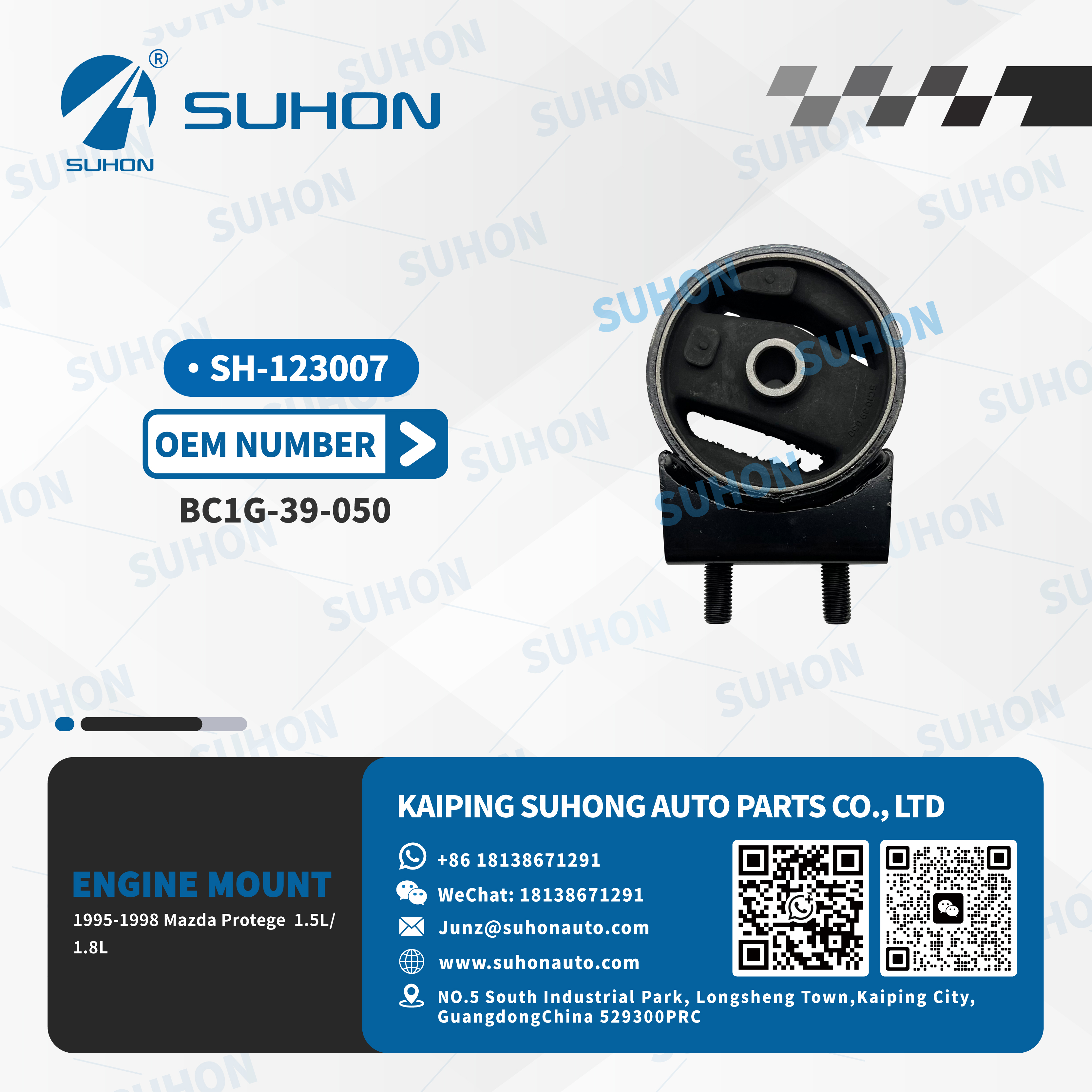
When the structural dampers fail, the engine shifts excessively during acceleration and deceleration. This unintended movement strains connected components that were never designed to flex. For example, coolant hoses and exhaust pipes can crack or snap due to the violent rocking motion of an unsecured engine block.
Furthermore, handling becomes unpredictable. A shifting engine alters the weight distribution of the front end, making steering sluggish and unresponsive. According to industry safety guidelines, excessive engine movement drastically increases the likelihood of sudden mechanical failure during high-speed maneuvers.
Constant vibration acts as a destructive force throughout the entire chassis. The transmission, which bolts directly to the engine block, suffers the most immediate impact. As the engine misaligns, the transmission linkages bind, making it difficult to shift gears smoothly. Over time, this constant friction grinds down internal gears and wrecks driveshafts.
Choosing the right replacement components depends entirely on your driving habits and comfort preferences. Manufacturers produce these dampers using various materials, each offering distinct advantages. Rubber remains the industry standard because it absorbs high-frequency vibrations effectively, delivering a quiet cabin environment.
When evaluating the best engine mounts for daily driving, comfort and longevity are usually the top priorities for average commuters. Standard rubber compounds provide the ideal balance between rigidity and flexibility. Conversely, performance-oriented drivers might opt for polyurethane, which restricts engine movement tightly but transfers significantly more vibration into the passenger area.
Choose rubber components if daily commuting comfort matters more than high-performance stiffness. Choose polyurethane only if you require maximum engine stability for track driving or towing heavy loads.
To understand the practical differences between these materials, review the comparison criteria below:
Material Type | Vibration Absorption | Lifespan | Ride Comfort | Best Application |
Standard Rubber | Excellent | 5 to 7 Years | Very Smooth | Regular Commuting |
Polyurethane | Poor | 10+ Years | Harsh and Stiff | High-Performance Driving |
Solid Metal | None | Permanent | Extremely Harsh | Dedicated Race Cars |


Addressing degraded dampers requires comprehensive mechanical intervention. While some automotive forums discuss how to repair engine mount rubber using DIY liquid urethane fills, these temporary fixes rarely withstand the immense torque generated by modern engines. Patching a torn component is merely a stopgap measure that delays inevitable failure.
The only permanent solution is complete replacement using high-quality aftermarket or original equipment manufacturer (OEM) parts. Professional mechanics always recommend replacing these supports in sets. If one damper fails, the remaining units have likely absorbed extra stress and will fail shortly afterward. Installing a fresh set ensures balanced weight distribution and restores the factory-level smoothness of the drivetrain.
Replacing these components typically costs between $300 and $800, depending on the make and model of your vehicle. The parts themselves are relatively inexpensive, but the labor required to lift the engine and access the mounting points accounts for the majority of the final bill.
A professional mechanic usually requires two to four hours to replace a complete set of supports. Front-wheel-drive vehicles with compact engine bays often take longer because technicians must remove additional components to reach the mounting brackets.
DIY replacement involves lifting heavy engine blocks using floor jacks. If the engine slips or falls, it can crush hands, sever fuel lines, or completely destroy the transmission housing. Always entrust this specific task to certified professionals with appropriate hydraulic lifting equipment.
No viable alternatives exist for replacing structurally compromised dampers. Liquid urethane inserts can stiffen an unbroken support temporarily, but they cannot restore the structural integrity of a unit that has completely sheared in half.
Drivers who operate vehicles in extreme climates or who regularly haul heavy payloads benefit significantly from premium aftermarket options. High-quality replacements manufactured by dedicated auto parts suppliers often utilize reinforced steel brackets and heat-resistant rubber compounds that outlast standard factory equipment.


